

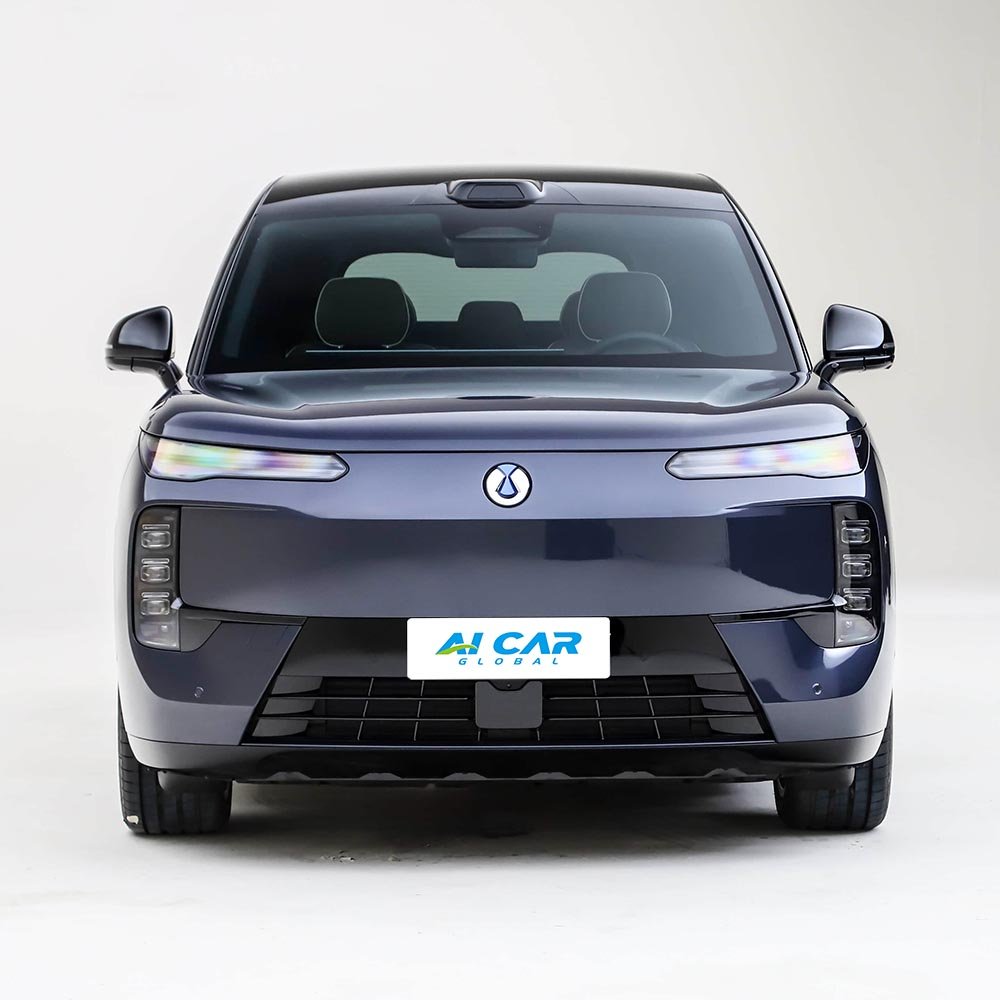
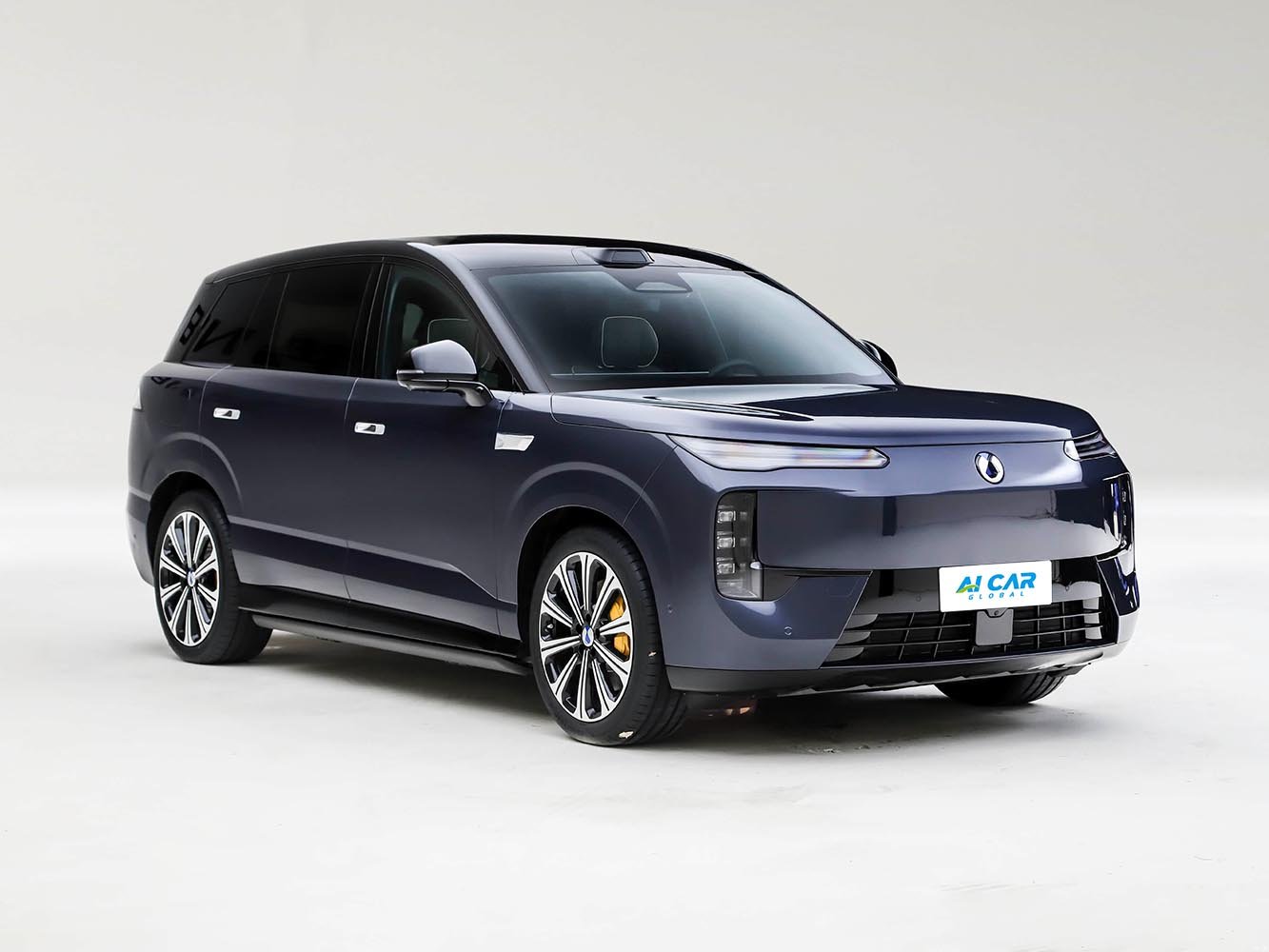
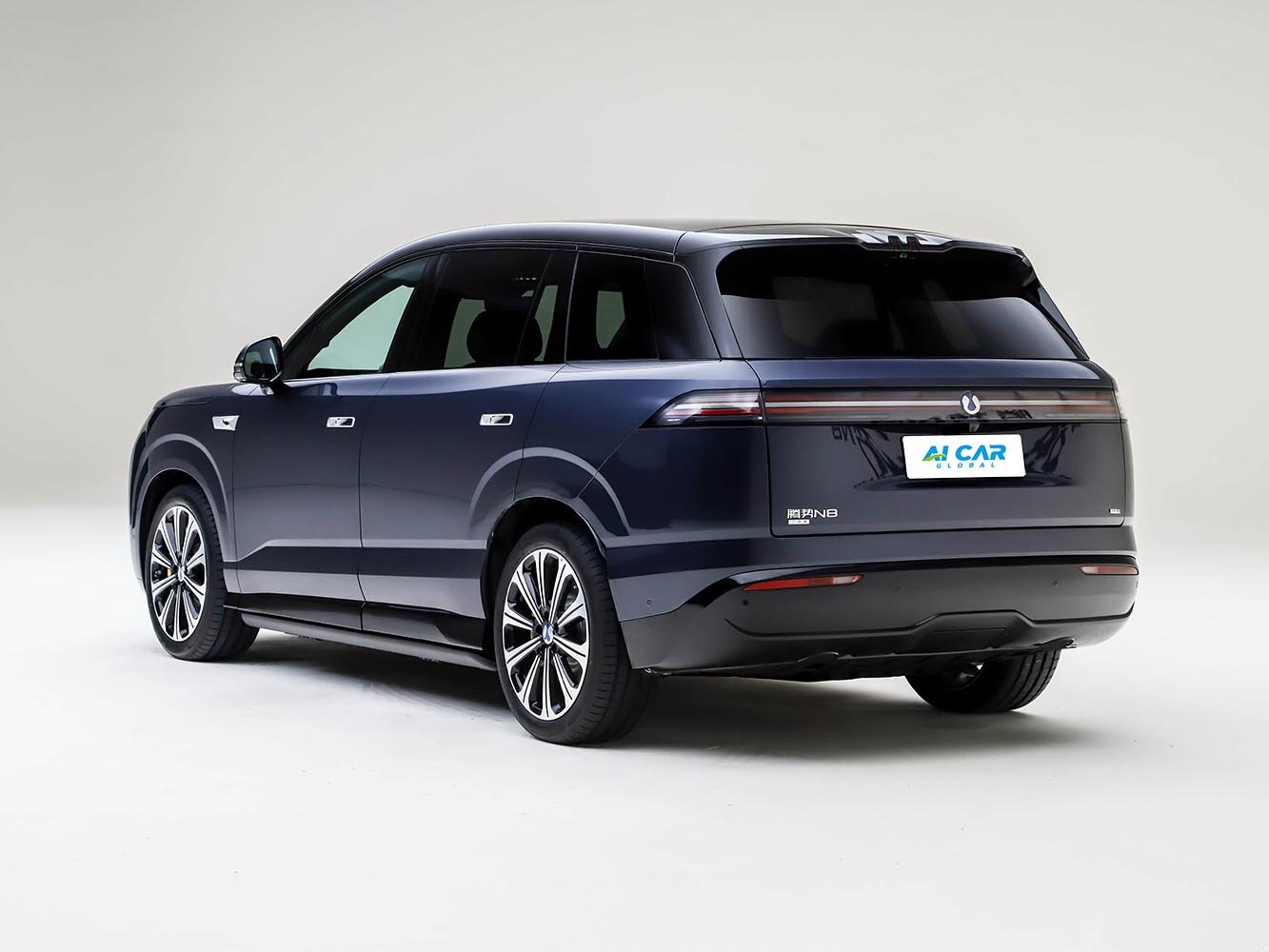
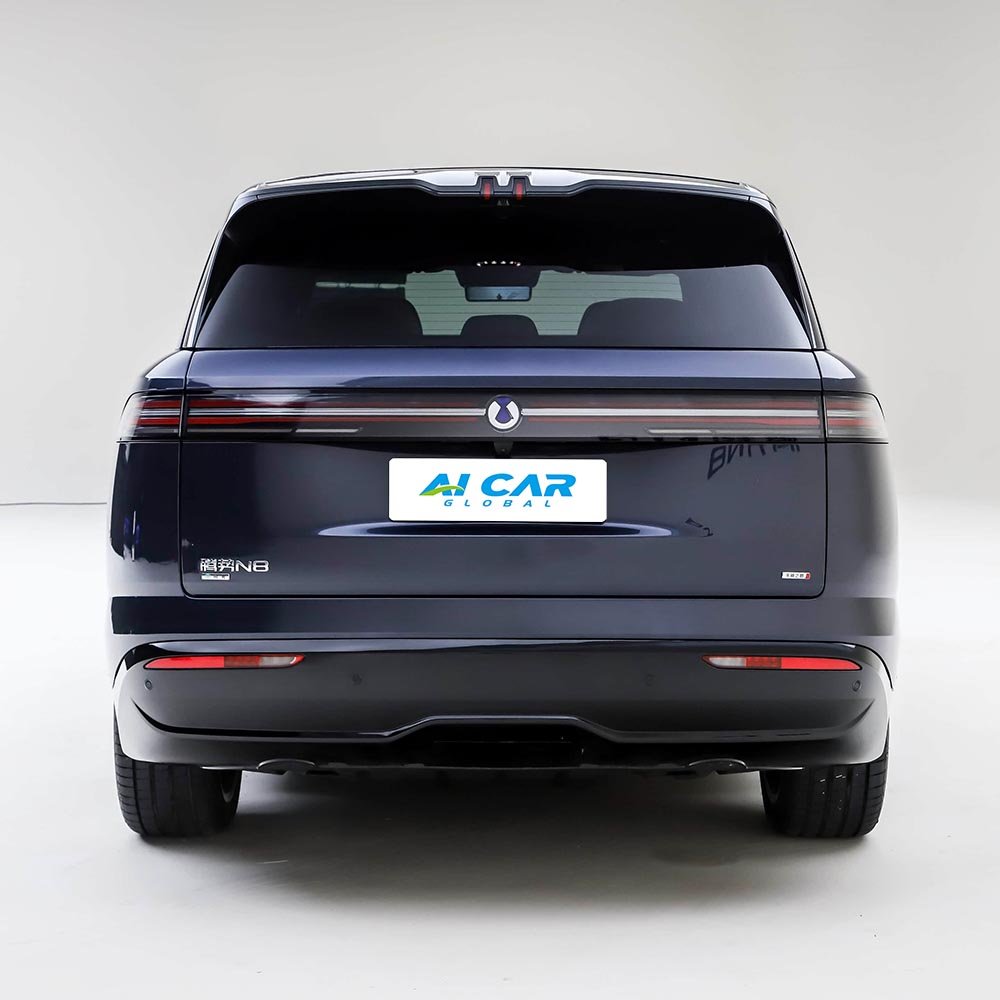
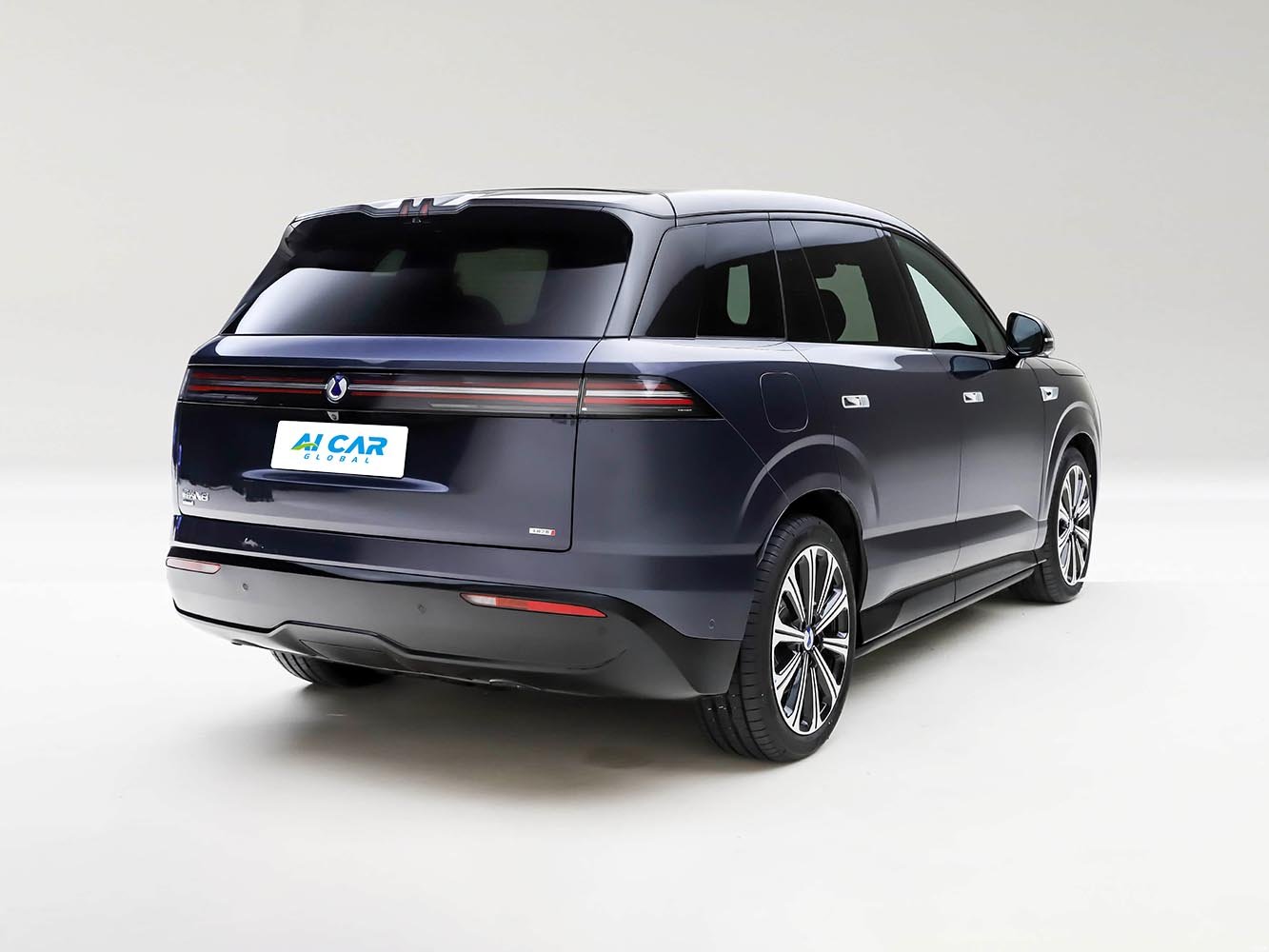
Exterior
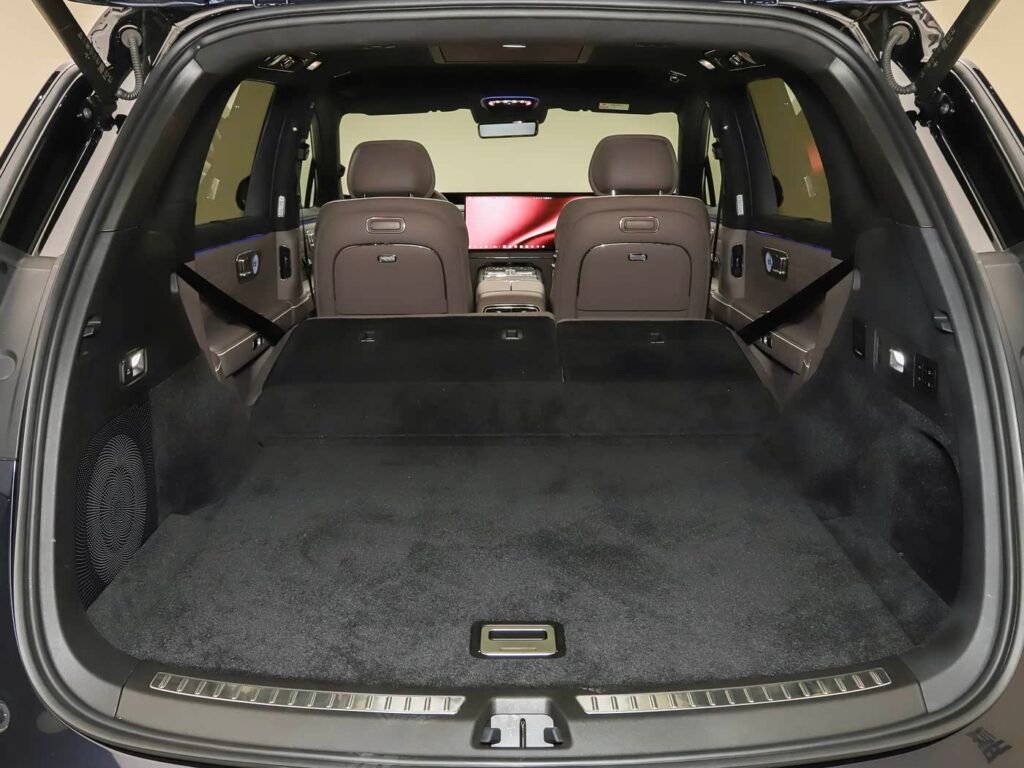
At 5,150 mm long, 1,999 mm wide and 1,820 mm tall on a 3,075 mm wheelbase, the N8 EV is a large SUV with a long floor pan. Width just under two metres is the figure to quote for a city showroom, while the 3,075 mm wheelbase explains the rear-seat space. Curb weight runs from 2,725 kg to 3,030 kg, so a lift or ramp has to be checked against the specific car being delivered. The 1,046 litre boot is quoted for every version, and the 18-degree approach angle suits a paved delivery route rather than a steep ramp.
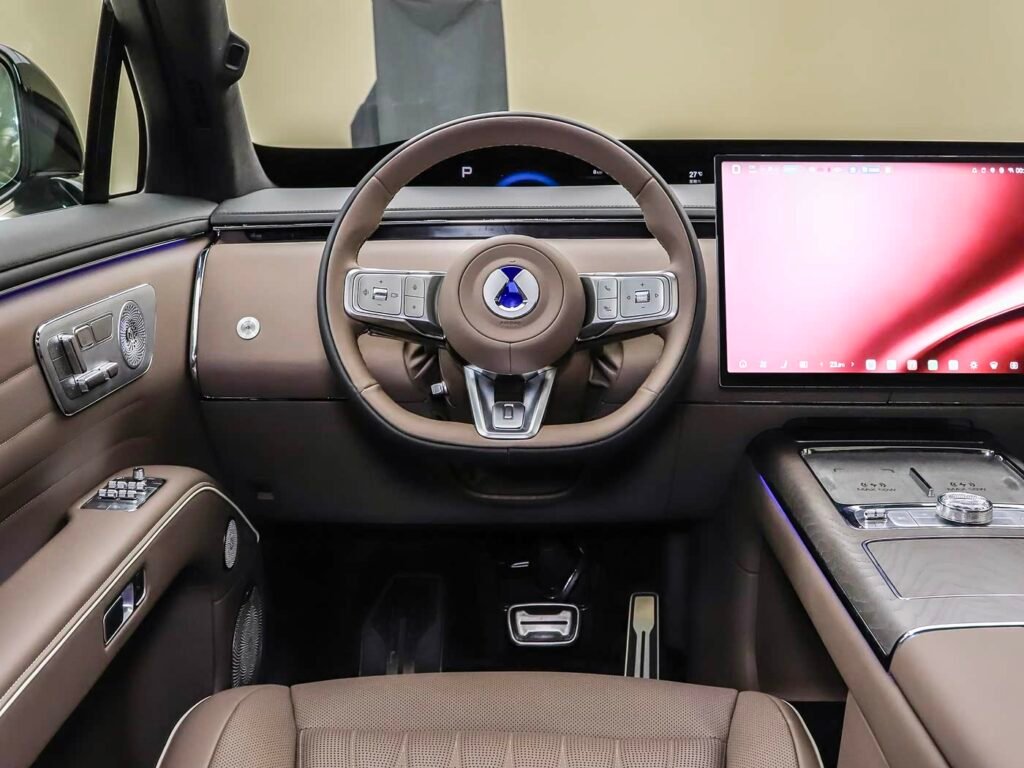
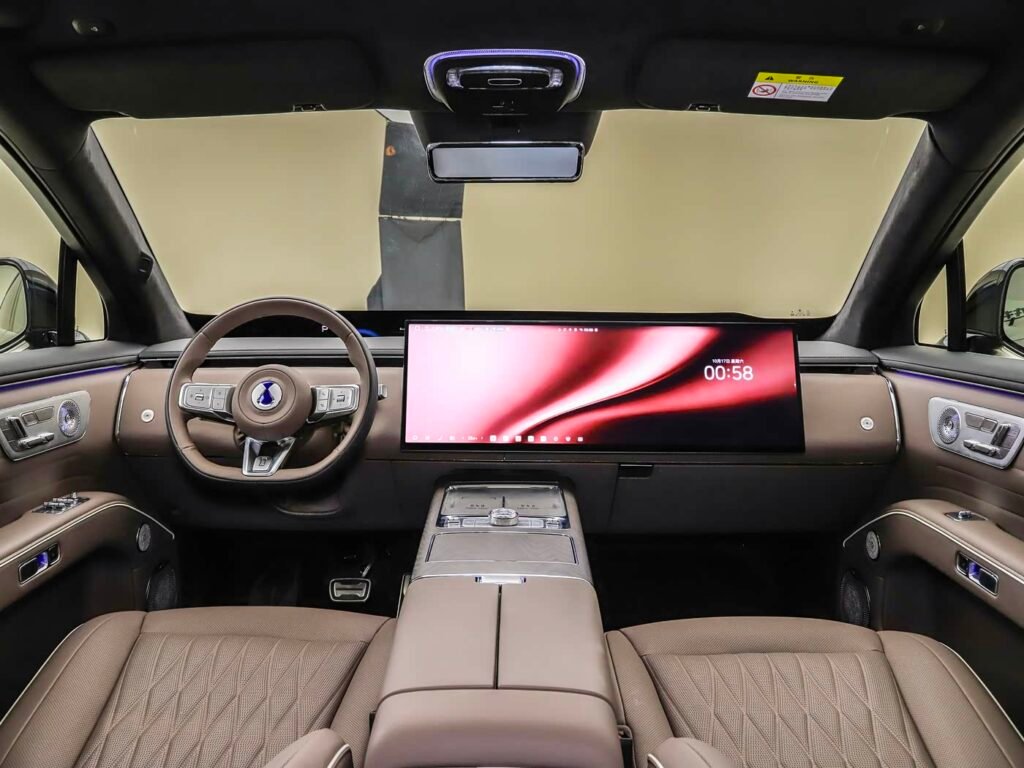
The four N8 EV configurations split by axle count. Two are rear-wheel drive with one motor at the rear and 320 kW or 370 kW; two are four-wheel drive with motors front and rear and 890 kW combined. Torque follows the same split at 500 N·m and 1,080 N·m. The 30-inch centre screen is shared across the line. A distributor should describe the drivetrain before the range, because a buyer who orders a dual-motor car expecting rear-drive consumption will see a different figure. Buyers often start with the Denza model range before narrowing to this SUV.
Interior
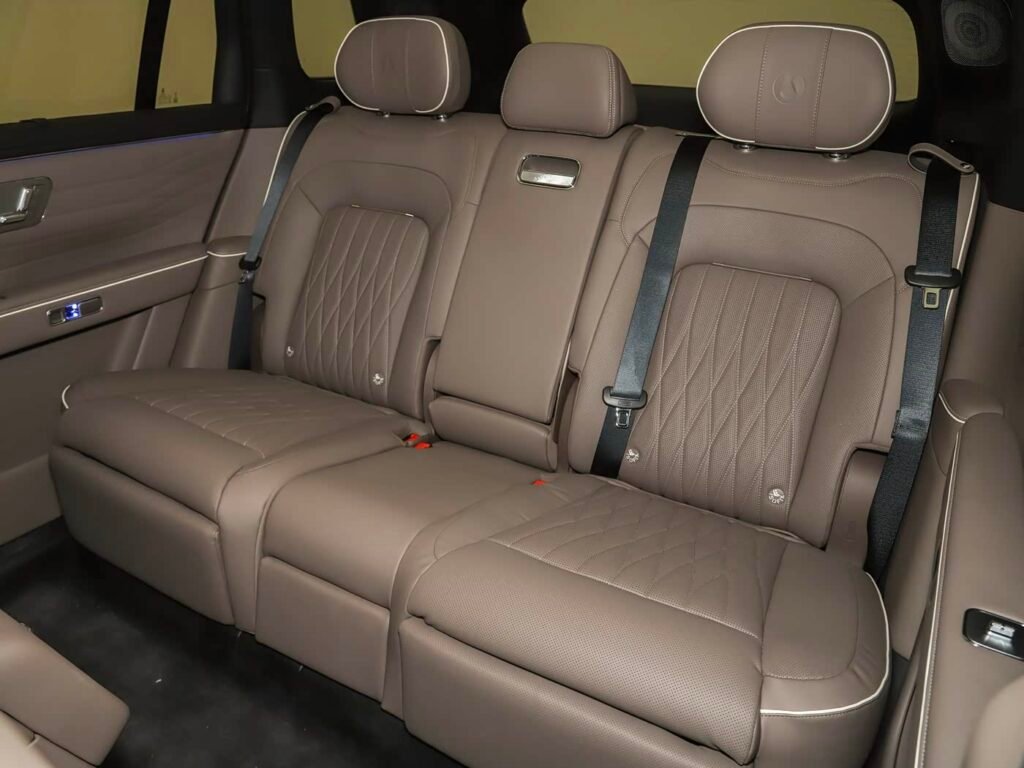
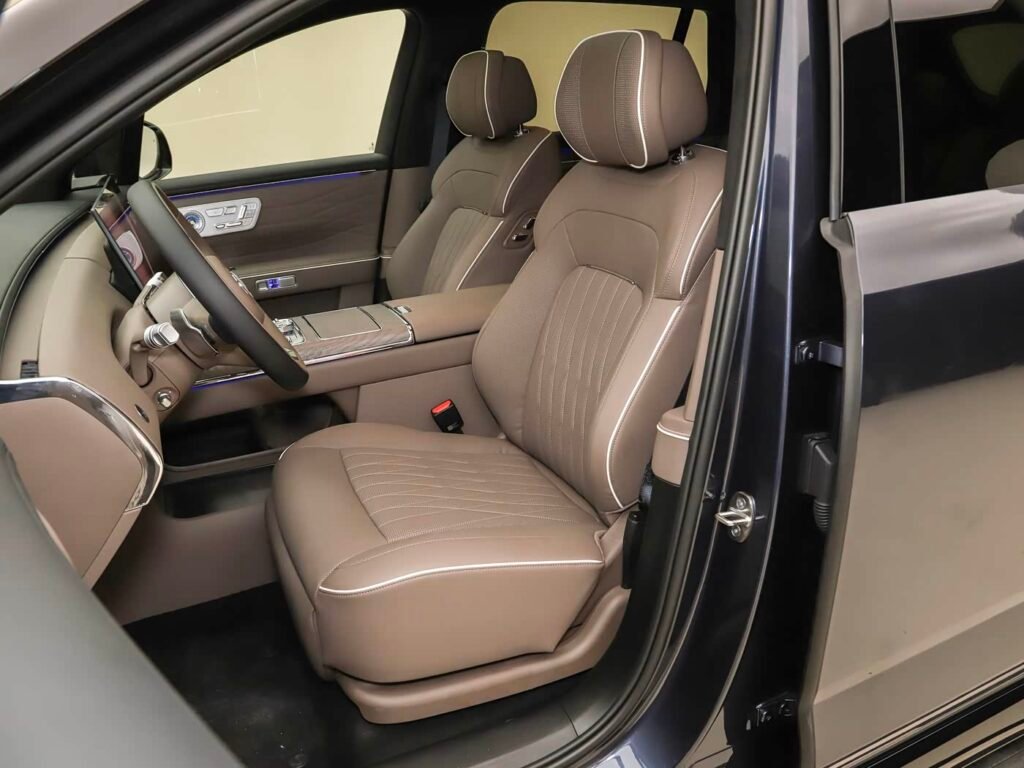
Inside, the N8 EV seats five on a 3,075 mm wheelbase and carries a 30-inch centre screen in every configuration. That screen is the first thing a showroom visitor notices, and it is identical across the four cars, so one demonstration covers the line. Rear-seat knee space benefits from the long wheelbase, which is the practical check a fleet buyer makes after range. Because the cabin does not change with the powertrain, the sales conversation stays on drivetrain, battery and weight. Written configuration keeps the order aligned with the demonstration car.
The four N8 EV configurations differ in both battery and drivetrain. The 105.79 kWh cars are rear-wheel drive at 320 kW or 370 kW, with 800 km or 840 km on CLTC. The 130.15 kWh cars are four-wheel drive at 890 kW and 1,080 N·m, with 840 km or 1,003 km. Curb weight steps from 2,725 kg to 3,030 kg. A customer who tests a rear-drive car and orders a dual-motor version should be told that both the range claim and the mass change. The 30-inch screen and five-seat cabin are common to all four.
How it drives
Two motor layouts serve the N8 EV. Rear-drive versions use a permanent-magnet motor at the rear axle, quoted at 320 kW or 370 kW with 500 N·m. Four-wheel-drive versions add a front motor for 890 kW and 1,080 N·m combined. All four reach 240 km/h. The 0–100 km/h time is 6.1 seconds on one rear-drive version, 6 seconds on the other and 2.98 seconds on the dual-motor pair. A workshop can plan two parts sets rather than four, and a sales team should state the axle layout in the first conversation.
The N8 EV offers a 105.79 kWh pack and a 130.15 kWh pack. CLTC range is 800 km or 840 km on the smaller pack and 840 km or 1,003 km on the larger one. Consumption is 14.6, 14.9 or 17.5 kWh/100 km depending on configuration, so the dual-motor cars need their own line on a quotation. Fast charging from 10% to 97% takes 9 minutes on every version. Because range, consumption and drivetrain move together here, an importer should quote them as a set rather than picking the highest range figure from the table.
A quotation for the N8 EV should not reduce four configurations to one range claim. The source table gives 800 km, 840 km and 1,003 km on CLTC, and the 1,003 km figure belongs to one dual-motor version on the larger battery. The 9-minute fast-charge window is shared, so it is the one figure that can be repeated safely across the line. No charge-depleting fuel figure applies to a pure electric car. Match the configuration code to the battery and axle layout before stock is allocated, because the weight difference affects delivery planning as well as performance.
Interior & details
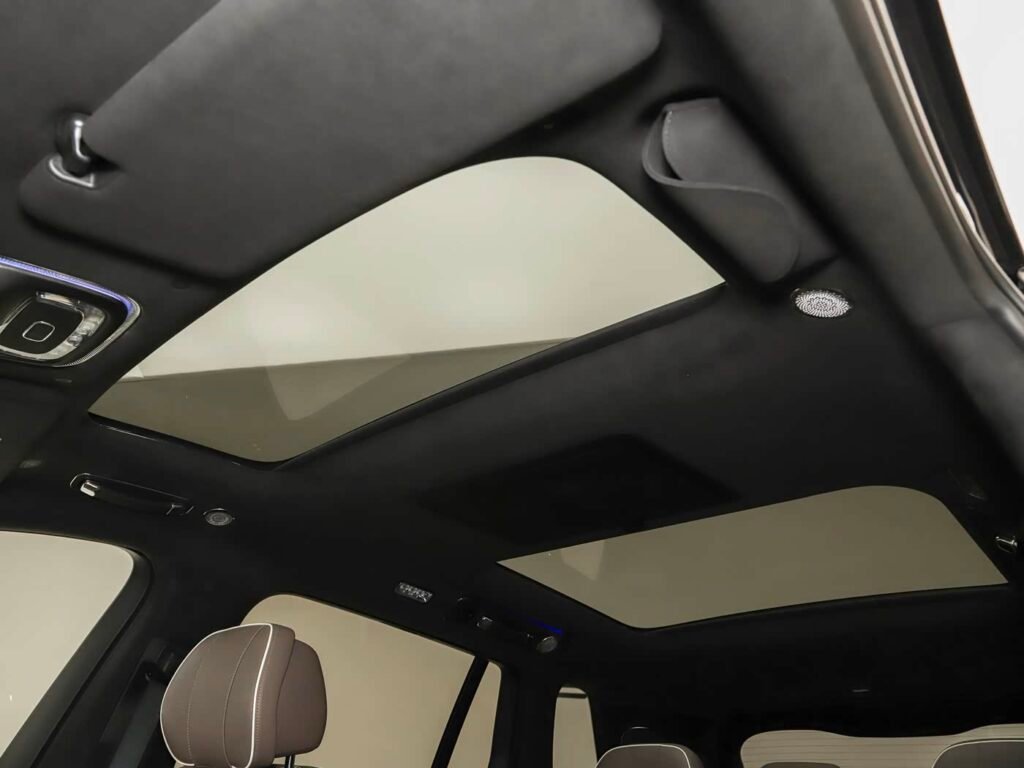
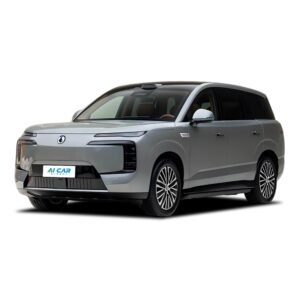
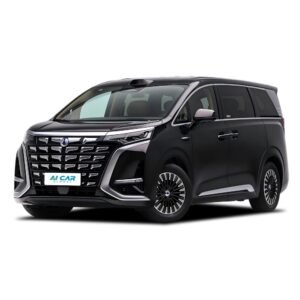
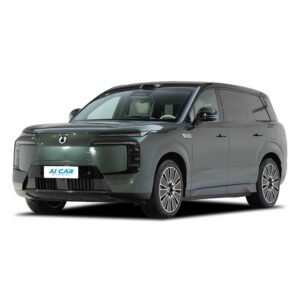
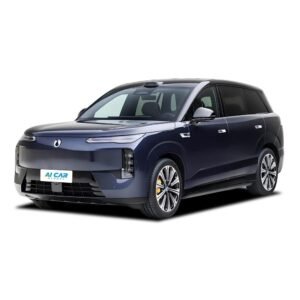
Interior and close-up detail from the Denza N8 EV current production car.
FAQ
Is the N8 EV a battery-electric car?
The N8 EV is a battery-electric SUV with no petrol engine. Two configurations use a 105.79 kWh pack and one rear motor at 320 kW or 370 kW. Two use a 130.15 kWh pack and dual motors at 890 kW. CLTC range runs from 800 km to 1,003 km. It has five seats and a 30-inch screen. Check the drivetrain on the quotation, because rear-drive and four-wheel-drive cars quote different power and range.
How far does the N8 EV go on a charge?
Electric range on the N8 EV is 800 km, 840 km or 1,003 km on CLTC, tied to the 105.79 kWh or 130.15 kWh battery and to the drivetrain. Fast charging from 10% to 97% takes 9 minutes on every version. CLTC does not compare directly with WLTP or EPA, so quote the cycle name with the figure. Match the configuration code first: the highest range belongs to one dual-motor car, not to the whole line.
How long does charging take on the N8 EV?
Charging the N8 EV takes 9 minutes from 10% to 97% on all four configurations. No AC charge time is published, so do not promise a wall-box duration. The pack is 105.79 kWh or 130.15 kWh, and the 30-inch screen and five seats are shared. Ask for the configuration code in writing before a demonstration is booked. That tells you which battery and which axle layout the car has, and therefore which range figure you should show.
Can the Denza N8 EV be exported to my country?
Approval depends on the destination, not only on the N8 EV. Some markets accept a battery-electric SUV under existing rules, while others ask for model-specific certification before registration. We check the route for your port before you commit and list the documents the clearing agent will request. Lighting rules and charging connector standards are common points of review. We then work through the paperwork.
Can the Denza N8 EV be exported as a new car?
No. The N8 EV is not authorized for new-car export at present. Authorization is granted per model and per model year, so it cannot be carried over from another year. We re-check the list before each order and confirm the position in writing. Send the model year, destination and volume, and we will state what the current rules allow before you commit to a tender.
Reviews
There are no reviews yet.