
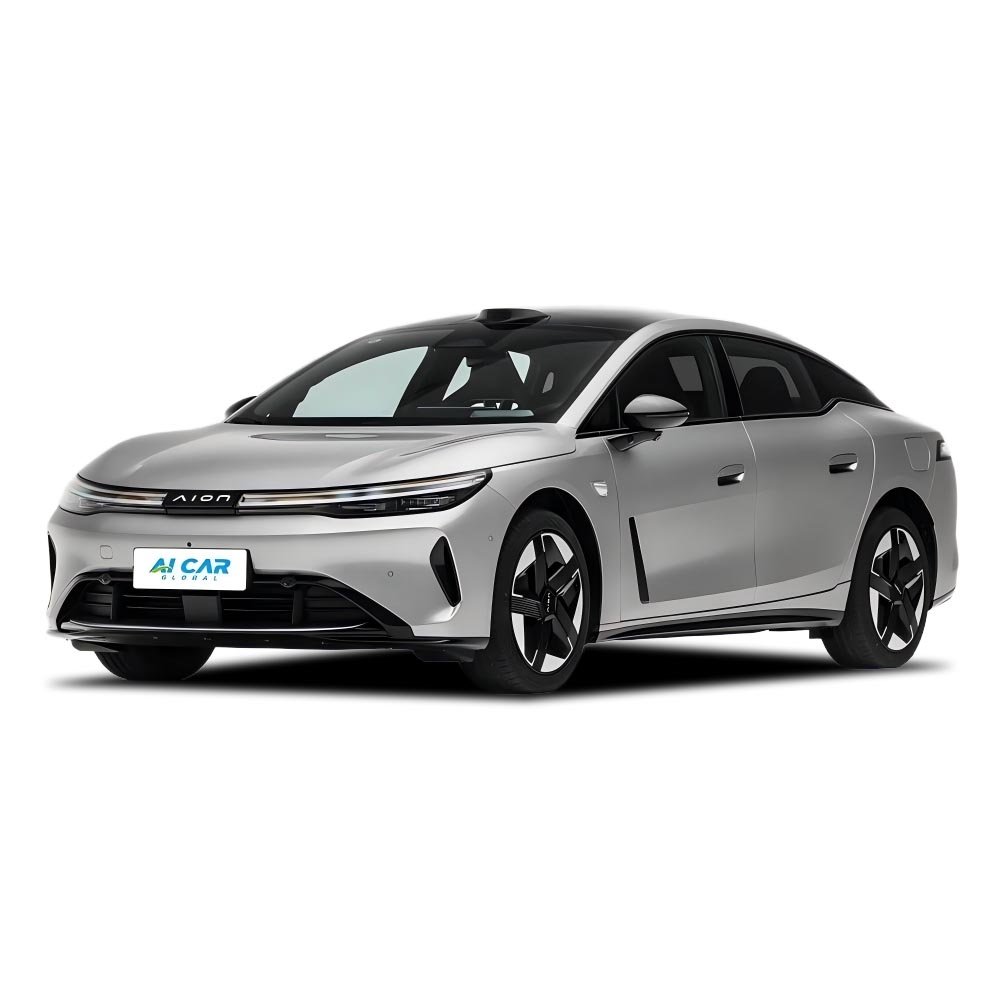
Exterior
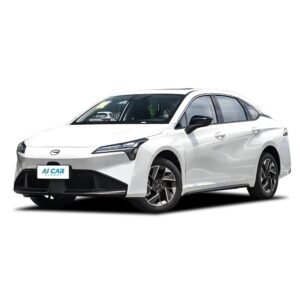
At 4,960 mm long, 1,900 mm wide and 1,455 mm tall on a 2,920 mm wheelbase, the Ray7 is a low sedan rather than an SUV. Height is the number that changes daily use: at 1,455 mm it slips under barriers that stop a tall crossover, and a dealer can demonstrate that in a car park. Curb weight runs from 1,720 kg on the 45.58 kWh cars to 1,855 kg on the 62.98 kWh versions. The 445 litre boot is quoted across the line, and the 13-degree approach angle suits paved streets more than rough loading areas.
Every Ray7 configuration drives the rear wheels through a permanent-magnet motor, with 180 kW and 235 N·m quoted for all five. The 15.6-inch centre screen is also shared. What changes is the battery: two packs, two CLTC range figures and two acceleration times. A distributor can write one drivetrain description for the whole order and spend the training time on the battery choice instead, which is the only part of the line that varies between versions today. Buyers researching the segment often arrive from the AION model range with a brand already in mind, so the rear-drive point should be stated early.
Interior
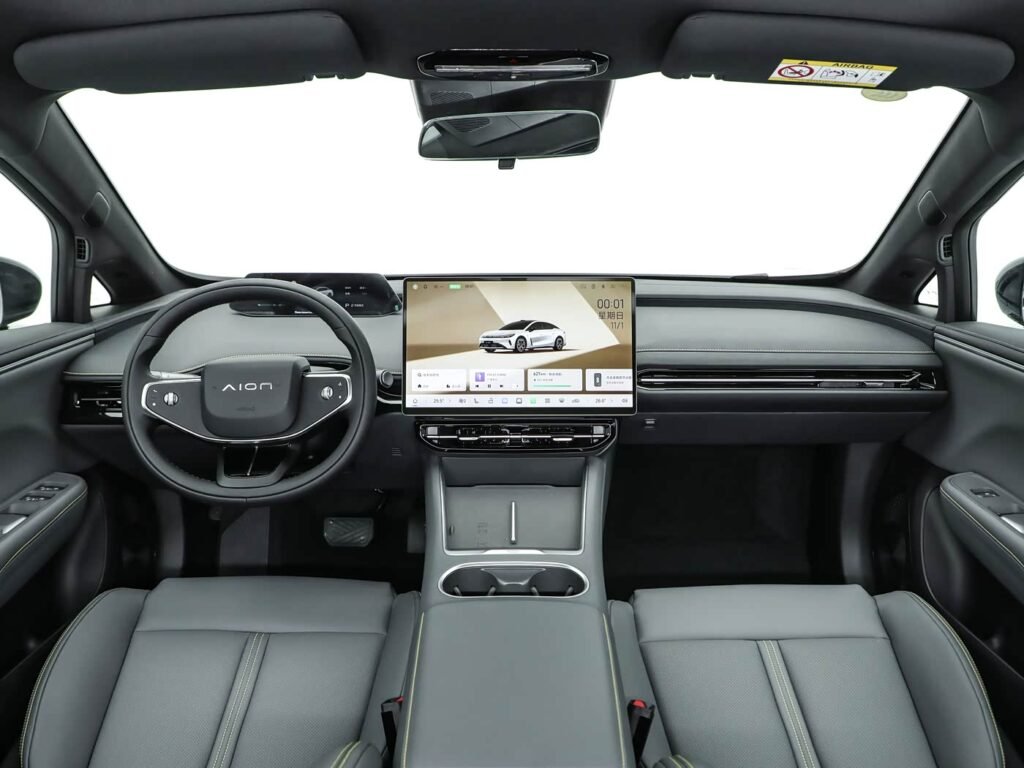
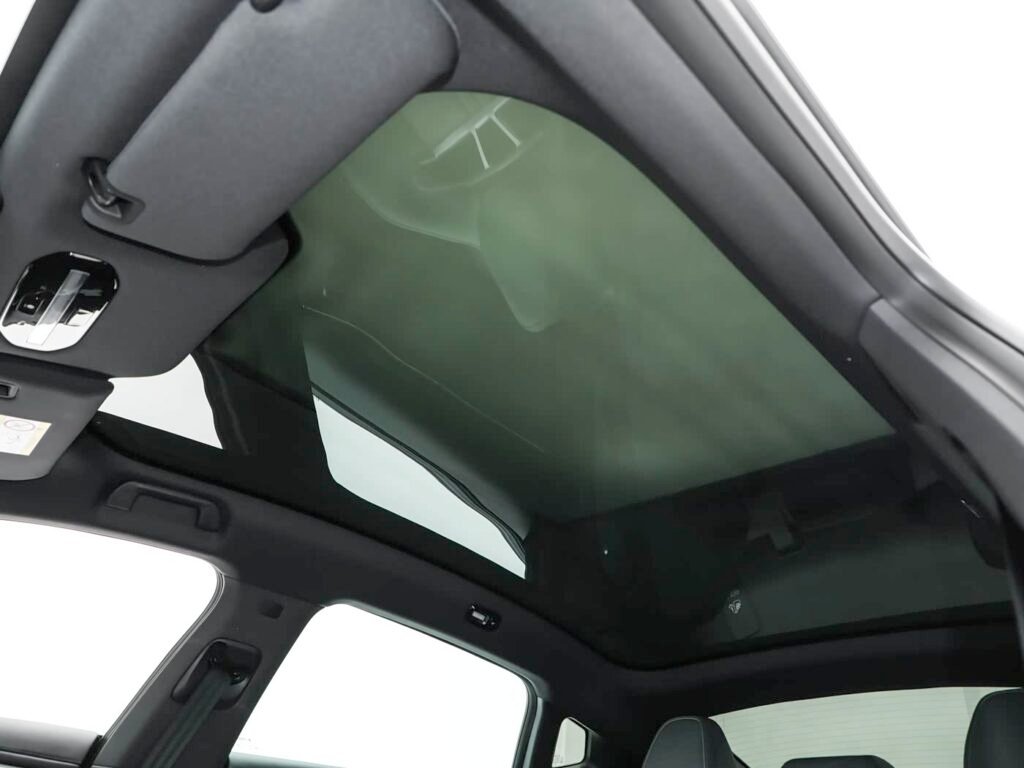
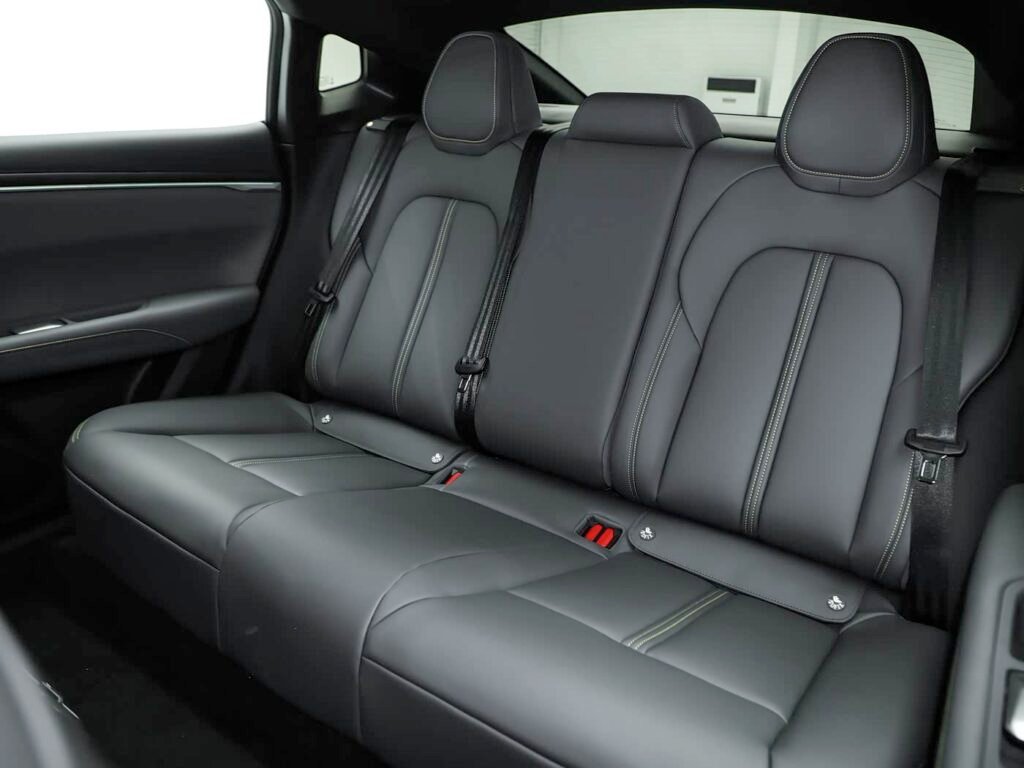
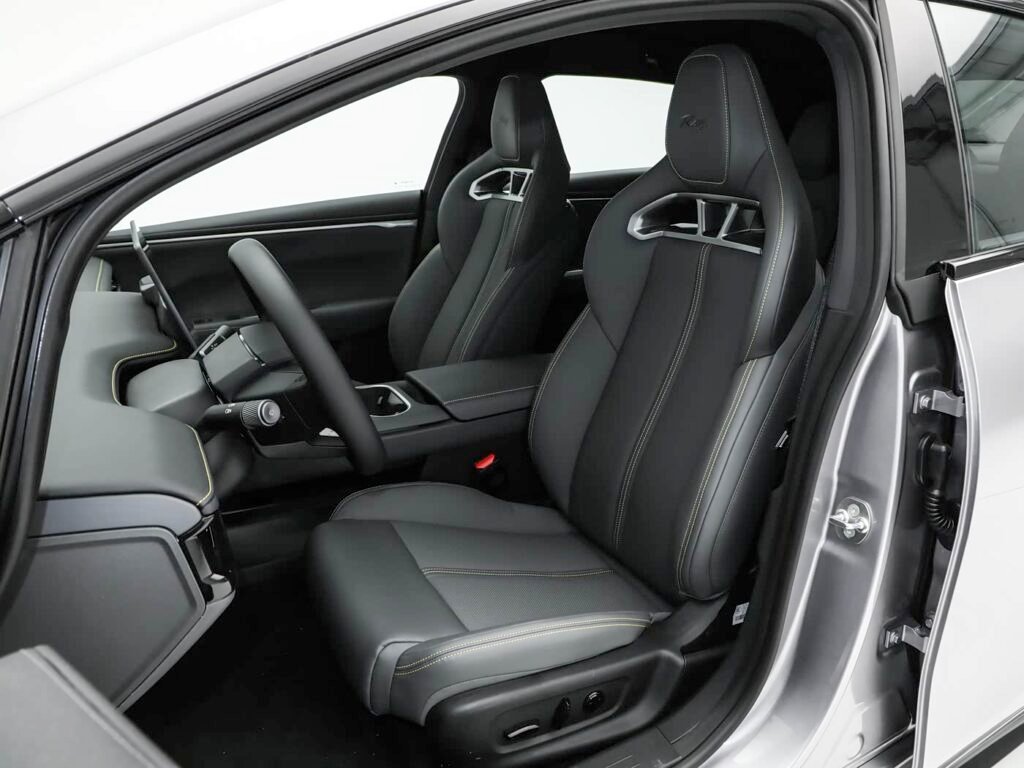
Inside, the Ray7 gives every configuration the same 15.6-inch screen and a five-seat cabin on a 2,920 mm wheelbase. The low roof makes the front seat feel open, while the long wheelbase keeps rear knee space usable for an adult on a long trip. Because the cabin does not change with the battery, a showroom can demonstrate one car and then talk through the two packs separately. A fleet buyer can measure the rear bench once and apply the result to all five orders. The remaining decision is range, which is written on the stock card.
The five Ray7 configurations separate on battery size alone. Three use the 62.98 kWh pack and quote 702 km on CLTC; two use 45.58 kWh and quote 530 km. Curb weight steps from 1,720 kg to 1,855 kg, and the 0–100 km/h time improves from 7.4 seconds to 6.9 seconds with the larger pack. All five share the 180 kW motor, 235 N·m, the 15.6-inch screen and the 445 litre boot. A customer who tests the smaller car and orders the larger one should expect a different weight and a different acceleration figure.
How it drives
One powertrain serves the Ray7: a permanent-magnet synchronous motor at the rear axle producing 180 kW and 235 N·m. There is no engine and no front motor in the published table, so the car is rear-wheel drive across all five configurations. The 0–100 km/h time is 7.4 seconds on the 45.58 kWh cars and 6.9 seconds on the 62.98 kWh cars; top speed is 180 km/h throughout. A workshop can stock one drivetrain set for the line. A sales team should still say rear-wheel drive in the first conversation, because buyers often assume a sedan is front-drive.
The Ray7 offers two packs. The 45.58 kWh battery gives 530 km on CLTC with 9.7 kWh/100 km consumption and a 21-minute fast-charge window from 30% to 80%. The 62.98 kWh battery gives 702 km with 9.8 kWh/100 km and a 22.2-minute window over the same range of charge. The 180 kW motor is shared. Because the two consumption figures are close, the useful comparison is range against charge time rather than efficiency alone. An importer should quote both pairs together so a buyer can see which pack fits a route.
The main risk on the Ray7 is quoting a single range figure for the whole line. The source table gives 530 km and 702 km on CLTC, tied to 45.58 kWh and 62.98 kWh packs respectively. Fast charge time also differs by about a minute between the two. A quotation that lists only the higher figure will not match the car in the shipment if the buyer ordered the smaller pack. No charge-depleting fuel figure applies to a pure electric car, and none is included here. Match the battery size to the range before stock is allocated. The charge-time row needs the same check.
Interior & details
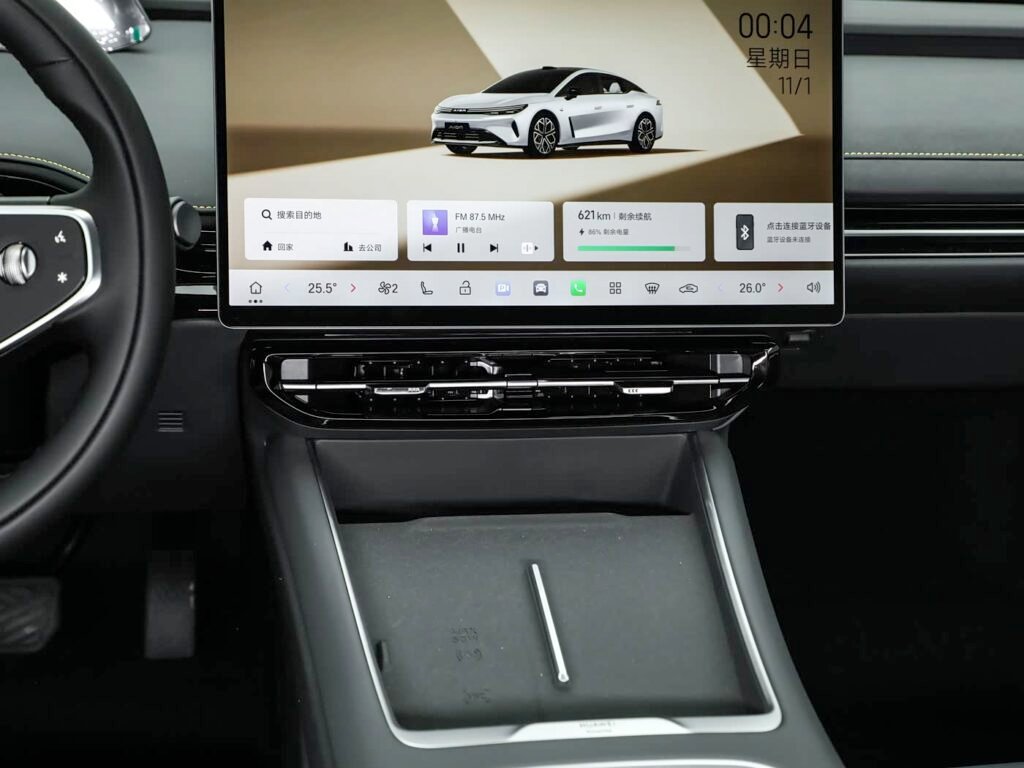
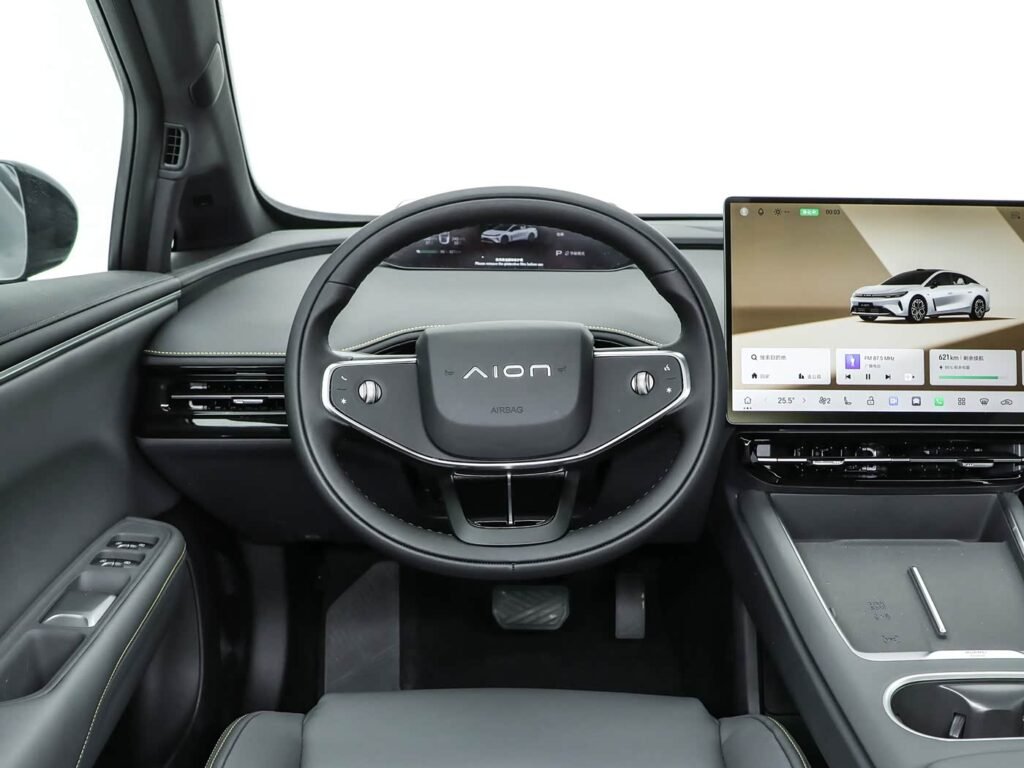
Interior and close-up detail from the AION Ray7 current production car.
FAQ
Is the Ray7 a battery-electric car?
The Ray7 is a battery-electric sedan with no petrol engine. All five configurations use a 180 kW rear motor and either a 45.58 kWh battery rated at 530 km on CLTC or a 62.98 kWh pack rated at 702 km. It has five seats, a 15.6-inch screen and a 445 litre boot. Check the energy type on the quotation, because a pure electric model follows a different approval route from a hybrid.
How far does the Ray7 go on a charge?
Electric range on the Ray7 is 530 km or 702 km on CLTC, set by the 45.58 kWh or 62.98 kWh battery. Consumption is 9.7 or 9.8 kWh/100 km and the motor is 180 kW at the rear axle. CLTC does not compare directly with WLTP or EPA, so keep the cycle name with the figure. Match the battery size first when comparing two offers: the model name alone does not say which pack is being shipped.
How long does charging take on the Ray7?
Charging the Ray7 takes 21 minutes from 30% to 80% on the 45.58 kWh cars and 22.2 minutes on the 62.98 kWh cars. No AC charge time is published, so do not promise a wall-box duration. All five versions use the same 180 kW motor, 15.6-inch screen and five-seat cabin. Ask for the battery size in writing before a demonstration is booked. That determines both the range figure and the charge time you will show.
Can the AION Ray7 be exported to my country?
Approval depends on the destination, not only on the Ray7. Some markets accept a battery-electric sedan under existing rules, while others ask for model-specific certification before registration. We check the route for your port before you commit and list the documents the clearing agent will request. Lighting rules and charging connector standards are common points of review. We then work through the paperwork.
Can the AION Ray7 be exported as a new car?
No. The Ray7 is not authorized for new-car export at present. Authorization is granted per model and per model year, so it cannot be carried over from another year. We re-check the list before each order and confirm the position in writing. Send the model year, destination and volume, and we will state what the current rules allow before you commit to a tender or release a deposit.
Reviews
There are no reviews yet.