aicarglobal.com

Chinese cars in Belarus

Chinese cars to account for 82.6% of Belarusian sales in 2023

A total of 25,408 vehicles were sold in the Belarusian automotive market in 2023, with Chinese automotive brands accounting for 82.6% of total Belarusian sales. Russian car sales recovered by 48% in 2023, after a 63% drop in 2022 due to the Russian-Ukrainian conflict. 78 vehicles from 20 brands were sold in Belarus in 2023, with Chinese car brands accounting for 82.6% of total Belarusian sales, and Geely (which has an assembly plant in Belarus) brand accounting for 90% of the sales among the Chinese brands. Geely (which has an assembly plant in Belarus) accounted for 90% of the sales. The top 4 sales charts in Belarus are all occupied by Geely vehicles of different styles. Electric cars are seeing a significant uptick in sales in Belarus, but based on very low sales in 2022. 422 electric cars were sold in Belarus in 2023, an increase of 667% from 2022. The top three EV sales are all Chinese brands. Lantu FREE in first place with 244 units sold, Geely Geometry c in second place with 137 units sold, and FAW Bestune NAT in third place with 21 units sold. Chairman of the Belarusian Automobile Association Varivoda noted that sales on the Belarusian automobile market will grow by 25% in 2024. The growth in electric car consumption will also be strong, growing to 1,900 units in 2024. This is due to the good roads in Belarus, the continued construction of charging piles, and the surplus domestic electricity market.

Chinese cars to account for 82.6% of Belarusian sales in 2023 Read More »

Kazakhstan electric car

Kazakhstan New Energy Electric Vehicles and Charging Piles Market Analysis, 2024

Kazakhstan New Energy Electric Vehicles and Charging Piles Market Analysis Kazakhstan, the economic giant of Central Asia, is in a critical period of energy transition. The country is known for its rich oil and gas resources, but is now facing challenges of energy security and environmental pollution. In order to address these challenges and promote economic diversification, the government of Kazakhstan is giving a major push to the development of new energy sources and electric mobility. According to the latest market analysis, Kazakhstan’s new energy and electric vehicle market is growing strongly despite its late start. Over the past year, the number of electric vehicles has increased significantly by 65.4% to 812. Nonetheless, EVs still account for less than 0.02% of the country’s total vehicle fleet, indicating a huge market potential. In terms of charging infrastructure, Kazakhstan currently has a limited number of charging stations, concentrated in the two main cities of Almaty and Nursultan. According to eDrive.kz, there are only 81 charging stations available in the country. This falls far short of market demand, especially considering that Kazakhstan’s automotive industry association, Kazavtoprom, expects that in order to support the growth of e-mobility, the country will need to establish at least 40,000 charging posts or 8,000 charging stations by 2030. This demand provides a huge opportunity for the charging piles market. The new energy electric vehicle and charging pile market in Kazakhstan, although currently small, is expected to achieve rapid growth in the future with government policy support and increasing social acceptance. This not only provides a favorable market environment for manufacturers, distributors, service providers and investors of electric vehicles and charging piles, but also opens up a new path for the country’s green transformation and sustainable development. Kazakhstan’s new energy electric vehicle and charging pile industry segmentation Kazakhstan’s new energy electric vehicle and charging pile industry segmentation can be divided from multiple perspectives, including product type, technology level, market demand and competitive landscape. The following is a detailed analysis based on these dimensions: Product Type Segmentation Electric Passenger Vehicles & Charging Piles: This category includes sedans, SUVs, buses, etc., which are mainly used for personal or family travel. The advantages of electric passenger cars include energy saving and environmental protection, low operating costs, low noise, easy maintenance, etc. The corresponding charging piles are divided into fast charging piles and charging piles. The corresponding charging piles are categorized into fast charging piles and slow charging piles, as well as AC charging piles and DC charging piles. Electric buses and charging piles: Mainly serving the urban public transportation system, the advantages include reducing exhaust emissions, improving operational efficiency and lowering operational costs. Types of charging piles include station charging piles and yard charging piles, as well as mechanical power exchange, wireless charging, rail charging and other methods. Electric Logistics Vehicles and Charging Piles: Including vans, trucks, trailers, etc., mainly used for urban logistics and distribution. These vehicles improve transportation efficiency, reduce transportation costs, and adapt to urban traffic rules. Charging piles are divided into special charging piles and public charging piles. Electric motorcycles and charging piles: Including motorcycles, electric bicycles, electric tricycles, etc., suitable for personal or small commercial trips. These vehicles are flexible, convenient, inexpensive and have a long range. Charging piles are also divided into specialized charging piles and public charging piles. Technology Level Breakdown Traditional electric vehicles and charging piles: Lead-acid batteries or nickel-metal hydride batteries are used as the power source, and AC motors or DC motors are used as the drive system. The technology level of these vehicles and charging piles is relatively low. New energy electric vehicles and charging piles: using lithium-ion batteries or other new types of batteries as the power source and permanent magnet synchronous motors or brushless DC motors as the drive system. These vehicles and charging piles represent the mainstream of the industry and a high technical level. Intelligent Electric Vehicles and Charging Piles: Intelligent transformation using internet, big data, artificial intelligence and other technologies to improve safety, comfort and convenience. The charging pile adopts wireless connection or contactless connection, representing the cutting edge of the industry and the highest technical level. Although Kazakhstan’s new energy EV and charging pile industry started not long ago, it has formed a diversified product and technology structure, laying a solid foundation for future development. With the advancement of technology and market expansion, it is expected that these market segments will further develop and mature Kazakhstan’s Government Policy on New Energy Electric Vehicles and Charging Piles The government of Kazakhstan attaches great importance to the development of new energy electric vehicles and charging piles industry, and has formulated a series of policies to support the growth of this industry. The following are the main policy measures in the field of new energy electric vehicles and charging piles in Kazakhstan: Energy Strategy 2030: This strategy aims to realize energy security, energy efficiency and energy diversification. New and renewable energy is an important part of this strategy, of which electric vehicles and charging piles are important vehicles for new and renewable energy. The government plans for new and renewable energy sources to account for 10% of total energy consumption and electric vehicles to account for 10% of the total vehicle fleet by 2030. Environmental Protection Policy: The government of Kazakhstan has developed the National Environmental Action Plan 2020, which aims to reduce greenhouse gas emissions, improve air quality, and combat climate change. Transportation is one of the main sources of GHG emissions, and electric vehicles and charging piles are effective measures to reduce transportation emissions. The government plans to reduce GHG emissions by 15% from 2008 levels and air pollutant emissions by 10% from 2010 levels by 2020. National Strategy for Industrial Innovation and Development 2025: The strategy aims to promote industrial structural transformation, improve industrial competitiveness and create jobs. New energy vehicles and charging equipment are one of the key areas of industrial innovation development, and electric vehicles and charging piles are the core products

Kazakhstan New Energy Electric Vehicles and Charging Piles Market Analysis, 2024 Read More »

Kyrgyzstan automotive

Overview of the automotive market in Kyrgyzstan

Automotive Industry Profile Overview of the production sector: The automotive manufacturing sector in Kyrgyzstan is small and mainly focused on assembly and modification. Most vehicles are imported due to local production costs and market size constraints. Sales in 2023: According to the National Statistical Committee of Kyrgyzstan, the sales of automobiles in Kyrgyzstan reached approximately 20,000 units in 2023, representing an increase of 5% compared to the previous year. The share of new car sales was about 40%, while the share of used car sales was 60%. Top 10 Branded Vehicle Sales: In 2023, the top 10 selling car brands were, in order, Toyota (4,000 units), Hyundai (2,500 units), Kia (2,000 units), Renault (1,500 units), Volkswagen (1,200 units), Ford (1,000 units), Skoda (800 units), Chevrolet (700 units), Nissan (600 units), and BMW ( 500 units). These figures reflect the dominance of international brands and consumers’ quest for quality and value for money. Consumer car market Passenger Vehicles and Freight Transportation Vehicles: The passenger transportation market in Kyrgyzstan is dominated by small cars and light commercial vehicles, while the freight transportation market is dominated by light vans and heavy trucks.In 2023, sales of small cars will be approximately 10,000 units, light commercial vehicles will be 3,000 units, light vans will be 2,000 units, and heavy trucks will be 500 units.The passenger transportation market in Kyrgyzstan is dominated by small cars and light commercial vehicles, while the freight transportation market is dominated by light vans and heavy trucks. Vehicle Ownership and Ownership per 1,000 Population: By the end of 2023, Kyrgyzstan’s vehicle ownership was approximately 400,000 vehicles and 66 vehicles per 1,000 population, which is lower than the global average, but shows the potential for market growth. Automobile imports: In 2023, the total value of automobile imports into Kyrgyzstan was about USD 200 million, of which the value of automobiles imported from China was USD 40 million, accounting for 20% of the total imports. Imported automobiles mainly come from China, Russia, Japan and South Korea. Used Car Market MARKET OVERVIEW: The used car market in Kyrgyzstan traded around 12,000 units in 2023, accounting for 60% of total car sales. The dynamism of the used car market reflects consumers’ price sensitivity and practical considerations regarding the need to use their vehicles. Major markets: Auto City in Bishkek and Auto Plaza in Osh are the largest used car markets in Kyrgyzstan, offering a wide selection of models and convenient trading services. Auto Parts Market Size of the industry: In 2023, Kyrgyzstan’s auto parts imports will total $150 million, of which the value of parts imported from China will be around $30 million. Import of Chinese components: The top 20 imported Chinese auto parts and components by trade name and import value include: engine parts (US$5 million), tires (US$4 million), braking systems (US$3.5 million), suspension systems (US$3 million), etc. The trade names and import volumes of the top 20 importers cover specific products in the above categories, e.g. 10,000 engine parts, 100,000 tires, 5,000 sets of braking systems, etc. Aftermarket situation: the main automobile repair market and parts sales market are located in major cities such as Bishkek and Osh etc. In 2023, the market size of Kyrgyzstan’s automobile repair and maintenance service market will be about USD 30 million, of which the share of Chinese automobile parts and components in this market will be about 15%.

Overview of the automotive market in Kyrgyzstan Read More »

electric car in Russia

Few charging piles and expensive electric cars hamper the development of electric vehicles in Russia

Gazprom Neft Management Committee Chairman Gyukov announced that the number of electric vehicle charging piles at the company’s gas stations will more than double by 2025, from the current 65 to 140. He said the company’s charging business is already profitable and believes the charging market will continue to expand with the growing number of electric vehicles. Infrastructure challenges Experts believe that the lack of infrastructure makes it difficult for electric cars to grow rapidly in Russia. In an interview with Rossiyskaya Gazeta, Stankovich, deputy chairman of the Russian State Duma’s Energy Committee, said that world experience proves that to promote the popularization of electric vehicles, a network of charging stations covering a wide range of areas should be constructed early, otherwise it will be difficult to increase consumers’ willingness to buy cars. As of the end of June, there were 7,410 charging piles in Russia, of which 65.5% were slow chargers (AC), which take five hours to charge, and 34.5% were fast chargers (DC), which take up to 1.5 hours to charge, according to Autostat, an analyzer of Russia’s automotive market. According to statistics from Russia’s Ministry of Economic Development, these charging piles serve 52,000 purely electric vehicles, counting hybrid cars, with an average of 12 vehicles served by each charging pile. While the world’s average pile ratio is 10 to 1, the fastest growing electric transportation in China is 8 to 1. It is expected that by the end of the year, Russia’s pile ratio will drop to 14 to 1. Experts believe that due to Russia’s large size and low population density, the pile ratio should be lower than that of China. Electric transportation in Russia is better developed in Moscow and Moscow region, St. Petersburg, Nizhny Novgorod, Krasnodar Krai, Irkutsk region, Khabarovsk Krai and Primorsky Krai. These areas are mainly large cities, where the gas stations of large oil companies can provide a wide range of services such as stores, and where it is easier to make a return on the installation and maintenance of charging piles, so the presence of charging piles is perfectly justified. However, small independent gas stations in remote areas are limited by lower average retail fuel margins and only have 1-2 electric cars charging per week, making building charging piles a burden. Difficulty of making charging piles profitable Stankovic, deputy chairman of the State Duma Committee on Energy, revealed that investors in charging piles have complained about the high price of connecting to the grid. in 2023 this cost has risen to 3-4 million rubles (100 rubles is about 7.3 yuan) due to the abolition of the preferential access fee. According to investors, the key factor hindering the development of the market is the low ownership of electric cars, not the low number of charging piles. According to Gusev, Vice Chairman of the Supervisory Board of the Association “Reliable Partners” and member of the Expert Council of the “Gas Stations of Russia” competition, it is too early to talk about the profitability of charging piles, which is an investment for the future, but it is not yet clear how electric cars will take root in Russia. But it’s not clear how electric cars will take root in Russia. It is likely that these electrical infrastructures will be an intermediate transitional stage for the next generation of fuel or combination engines. Thus, from a business perspective, the role of charging posts is more of a decorative corporate image aimed at making gas stations full-service. Kazachkov, head of the Transportation Business Cooperation Practice at Russian audit and consulting firm Kept, agrees that one can only talk about charging post operational returns now, i.e., recovering operating and maintenance costs. Since electric car owners spend several times as much time at gas stations as fuel vehicle owners, charging post profitability depends on their utilization rate, as well as on additional spending by drivers at gas stations. Electric cars are sold at high prices State support measures for the construction of charging piles are now in place in Russia. Stankovich said that since 2022 12 pilot regions in Russia have been granting subsidies for charging pile construction under the state program, up to 60% of the cost, but not more than 1.86 million rubles.In addition, state support measures include subsidies for EV purchases, preferential financing leases and car loans, but the maximum subsidy amount has been reduced to 625,000 rubles in 2023 from 925,000 rubles in 2022. Electric cars are very expensive in Russia. Kazatchkov said that electric cars now belong mainly to the high-end market with limited demand. State support measures are aimed at stimulating localization of production, but as of now, the volume of domestically produced electric cars in Russia is very small and there are not many models. Imported electric cars have become expensive due to tariffs. In addition, there are regulatory barriers to the Russian electric car market. Revenues from paid chargers in Russia reached 2 billion rubles in 2023, said Tereshkin, general director of Open Oil Market, a trading platform for petroleum products and raw materials. Further growth of this indicator will largely depend on simplifying the process of connecting charging piles to residential buildings and updating technical standards. He believes that the national standard for charging piles, which was developed in 2013, is in urgent need of updating for a fast-growing industry.

Few charging piles and expensive electric cars hamper the development of electric vehicles in Russia Read More »

Armenia actively promotes tax exemption for electric car imports

Armenia exempts electric vehicles from import VAT and customs duties.In 2019, Armenia approved the exemption of VAT on electric vehicle imports until January 1, 2022, after which it was extended to January 1, 2024, and will be extended again to January 1, 2026, according to the website of the Economic and Commercial Office of the Chinese Embassy in the Republic of Armenia. Thanks to the VAT and customs duty exemption, Armenia’s EV imports have grown significantly.In 2022, Armenia imported 2,681 EVs, a 42.3% year-on-year increase, and from January to November 2023, 4,496 EVs were imported, a year-on-year double.Between 2021 and 2022, Armenia already has 100 charging stations in operation in the Armenia, which can simultaneously charge up to 150 electric vehicles at the same time. It is reported that Armenia intends to replace all vehicles of government agencies with electric vehicles, and the relevant work program is under development. Source: China council for the promotion of international trade

Armenia actively promotes tax exemption for electric car imports Read More »

Uzbekistan electric vehicle

2025 New Energy Electric Vehicles Uzbekistan Policy

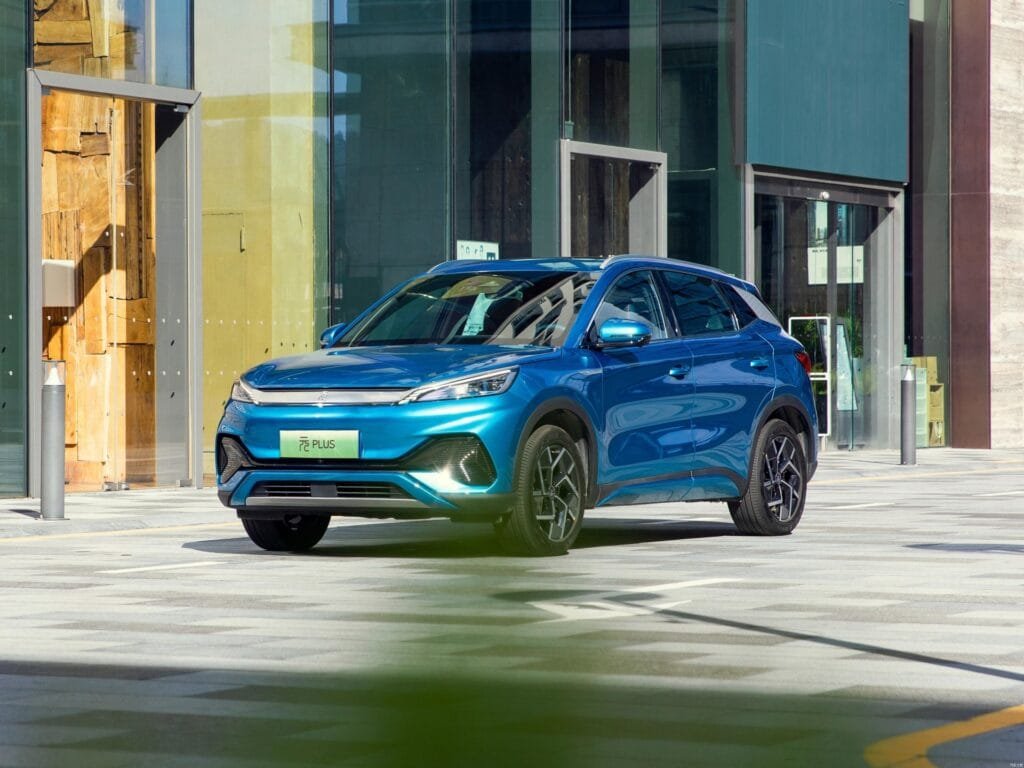
In Central Asia, with the global emphasis on clean energy and sustainable development, the development of new energy electric vehicles (NEVs) and their supporting facilities a charging piles is seeing unprecedented opportunities. In particular, the government of Uzbekistan, as a major economic and population country in Central Asia, has not only given strong support in terms of policy, but also further promoted the development of the new energy vehicle and parts market by organizing a series of international exhibitions. In this article, we will discuss three aspects of the policy favor, market demand and Uzbekistan new energy vehicles and parts exhibition. Policy favoritism: escorting the development of new energy charging piles The government of Uzbekistan deeply recognizes the importance of new energy electric vehicles and charging piles in reducing carbon emissions and promoting the transformation of energy structure, and therefore has introduced a series of preferential policies to promote the development of this industry. First of all, the government has reduced the import tariffs and subsidized the purchase of new energy electric vehicles, which directly reduces the cost of consumers and stimulates the market demand. In addition, the government has increased financial support for charging infrastructure construction and encouraged enterprises to invest in charging pile projects. These policies have not only created favorable conditions for the popularization of new energy electric vehicles, but also laid a solid foundation for the rapid development of the charging pile market. It is particularly worth mentioning that the Uzbek government has also issued a number of presidential decrees aimed at accelerating the localized production of new energy EVs and promoting the construction of EV operation infrastructure. For example, the government plans to phase out import tariffs on new energy EVs by 2030 and promote localized production and consumption by increasing subsidies and providing loan concessions. At the same time, the government has also stipulated that from January 1, 2024, new commercial centers, entertainment centers, gas stations, hotels and other venues will be required to be equipped with vehicle charging piles, or else their construction will not be approved. This series of policy measures provides a strong guarantee for the rapid development of the new energy charging pile market. Market Demand: Strong Driving Force for Continuous Growth With the improvement of environmental protection awareness and the government’s promotion of new energy policies, the market demand for new energy electric vehicles and charging piles in Uzbekistan has shown a rapid growth trend. According to data, the import of electric vehicles has increased significantly in Uzbekistan in recent years, especially Chinese electric vehicle brands such as BYD, Geely and Great Wall, which have made remarkable achievements in the Uzbek market. BYD’s electric car Song Plus is a breakout success in Uzbekistan, with sales of more than 2,000 units. Meanwhile, the charging pile market has also seen explosive growth. As of 2022, about 100 EV charging stations are already in operation in Uzbekistan, and the government plans to increase the number of charging stations to 2,500 by 2025, starting from December 1, 2023, when large-scale construction of charging stations will begin. This ambitious plan not only reflects the importance the government attaches to the new energy charging station market, but also signals the market’s huge potential for future development. Exhibition: An Important Platform for International Cooperation and Exchanges In order to further promote the development of the new energy electric vehicle and parts market, Uzbekistan regularly organizes international exhibitions, which provide domestic and foreign companies with excellent opportunities to showcase their latest technologies and products. For example, AUTO PARTS EXPO 2025 will be held from April 23 to 25, 2025 at the National Exhibition Center in Tashkent, the capital of Uzbekistan. The exhibition not only gathers automobile manufacturers, dealers and buyers from the five Central Asian countries and China, but also attracts a large number of industry players from Russia, Turkey, Egypt, Georgia and other countries. The following is the scope of its exhibits. New Energy Vehicles Pure electric vehicles, programmable electric vehicles, hybrid vehicles, hydrogen fuel cell vehicles, solar vehicles and other new energy vehicles, etc.; new energy commercial vehicles, new energy passenger cars; new energy special vehicles and special vehicles, etc.; electric vehicles, connected automatic vehicles, LEV light electric vehicles (<350kg), electric motorcycles, electric scooters, electric golf vehicles, electric commercial vehicles, connected & Automatic Vehicles, Electric Vehicles, Connected Automatic LKWs, Electric Buses, Connected & Automatic Buses, Electric Forklifts + Electric Vehicle Transportation & Storage, Electric Vehicle Recovery, Electric Ambulances, Other Vehicles Charging Stations Charging station smart network project planning and achievement demonstration, fueling and charging integrated service station demonstration, solar and wind energy complementary new energy vehicle charging station technology products, charging station power distribution equipment, chargers, power monitoring system, charging piles, transformers, distribution cabinets, cables, direct charging equipment, management auxiliary equipment, rechargeable and exchangeable batteries and battery management system, parking lot charging facilities, charging station power supply solutions, Charging station-smart grid solutions, etc. Battery motor electric control Power battery, raw materials, shell, power battery PACK production equipment, non-standard automation, test instruments and battery management system, etc.; new energy vehicle motors, magnetic materials, iron core, stator and rotor, insulating materials, winding equipment, silicon carbide, shells, automated assembly lines, etc.; new energy vehicle electronic control, IGBT, chips and special devices, supercapacitors, vehicle MCU, electronic control modules, vehicle sensors, system integration, etc. sensors, system integration, etc. Energy and Infrastructure Electric energy suppliers, hydrogen energy suppliers, energy infrastructure, energy networks, energy management, smart grids V2G, electrical cables + connectors + plugs, charging/power stations, solar energy, solar garages, hydrogen, fast charging stations, charging system inductors, energy and charging systems, AFI(D) Alternative Fuel Infrastructure (Directive) EU, conductive charging infrastructure, wireless charging infrastructure (static and dynamic), hydrogen fuel infrastructure, smart charging, V2G, V2X and vehicle/infrastructure communications charging/refueling standardization and regulation, ICT data definition Processing and Manufacturing Technology and Equipment for New Energy Vehicle Triboelectric Products New Energy Vehicle Manufacturing Process Equipment, New Energy Body Connection Technology and Equipment, New Energy Vehicle Parts Processing Equipment, New Energy Vehicle Intelligent Factory, New Energy

2025 New Energy Electric Vehicles Uzbekistan Policy Read More »

Ukrain electric car

Why has the number of electric vehicles doubled in Ukraine?

High prices have long been one of the main reasons for the low demand for electric and hybrid vehicles. However, statistics show that Ukrainians are increasingly choosing these vehicles despite the war. When choosing a new electric car, buyers prefer models made in China. The fact is that over the past few years, many versions with a range of up to 500 kilometers have appeared in the Middle East, and their prices have fallen due to increased competition in the market. Among used electric cars, Ukrainians prefer the Tesla from the USA (which is often shipped to Ukraine after traffic accidents) and the Nissan Leaf from the EU countries. According to the Automobile Market Research Institute, the purchase of new and used electric cars in November 2023 set a new record – 6,200 units, an increase of 190% over last year. According to the Ukrainian Automobile Industry Association, sales of hybrid vehicles in October 2023 exceeded pre-war figures for the first time. Almost 1,800 of these vehicles were registered during the reporting period, a record number for the past 22 months. Boom in electric vehicles According to statistics, the electric vehicle market in Ukraine is growing at a frantic pace. Not long ago, only 8,541 vehicles had been registered in the country by the end of 2021. As of January 1, 2023, according to the data of the Main Service Center of the Ministry of Internal Affairs, their number had reached 46,830. In less than a year, the number had almost doubled to 83,116 units by the end of November 2023. Data from the Institute of the Automotive Market shows that the proportion of electric vehicles among all passenger cars registered in Ukraine in the same period rose from 8.4% to 16.6% over the past year. Zero tariffs and VAT exemptions have helped to increase demand for electric vehicles. For example, only excise duty is payable on import (1 euro per kilowatt-hour of battery capacity) – up to a maximum of 100 euros per vehicle. Another reason is the emergence of models with a range of 300–500 kilometers, which are not much more expensive than vehicles with internal combustion engines (ICE). Rising fuel prices have spurred demand. Among the new electric cars, the VW ID.4 is leading the way in terms of sales in 2023. This model with a range of up to 600 kilometers has been on the market for three years. In the used electric car segment, Ukrainians prefer the Nissan Leaf – a car with a relatively small range (200 kilometers) but at an affordable price. Depending on the year of manufacture and condition, prices range from 10,000 to 20,000 US dollars. Price stimulates demand Thanks to the low cost of battery production, China has managed to make electric cars as affordable as possible. The Volkswagen ID.4 is produced in almost identical versions in three countries: the USA – for the American market, Germany – for Europe, and China – for the rest of the world. The Chinese version is popular in Ukraine, where it is delivered by unofficial dealers. The delivery and customs clearance costs start at 25,000 US dollars, while the cost in Europe would be over 42,600 euros. In the USA, it starts at 42,000 US dollars. Against the backdrop of growing interest in electric vehicles, the size of loans is also increasing. The Ukrainian National Savings Bank noted that customers who chose to finance an electric vehicle had the greatest demand for the Volkswagen ID.4, while the greatest demand for a hybrid vehicle was for the Toyota RAV4. “Against the backdrop of a deficit and rising fuel prices, the recovery of car loans was followed by the first significant increase in demand for electric car loans in 2022. Even the possibility of power outages did not stop this trend.” ‘For the second year in a row, we have observed a dynamic increase in the share of electric and hybrid cars in new car sales, which is reflected in credit sales,’ said Anton Timoshenko, Deputy Chairman of the Board of Directors of Ukraine’s National Savings Bank. Delivery of used Teslas Despite the popularity of new Chinese electric vehicles, the Ukrainian market is driven by used electric vehicles. Tesla is clearly leading the way here. In 2021, Ukraine imported 454 such vehicles, 1,100 in 2022 and 4,669 in 2023. The most popular models are the more economical Tesla Model 3 and Tesla Model Y, of which more than 700 were delivered in November 2023 alone. Most Ukrainians buy cars that have been repaired after road accidents. The car sales website auto.ria has almost 3,200 Tesla offers. Of these, only 600 have not been in a traffic accident, as the sellers claim. The popular Tesla Model 3 costs between 25,000 and 40,000 US dollars, depending on the equipment. In the USA, they are usually bought at insurance auctions for 10,000 to 15,000 dollars cheaper. In October, Ukrainians bought 433 used Tesla Model 3s, 226 Tesla Model Ys and 192 Tesla Model Ss in the USA. Most of these road-safe Teslas entered Ukraine from the EU. Market growth cannot be stopped In October 2023, China announced that electric vehicle sales had reached a record high. Despite the end of the 11-year subsidy program in 2022, monthly sales increased by 29%. From January to September, the global electric vehicle market grew by 34%. In Ukraine, despite the war, the popularity of electric vehicles is still growing, while China is actively occupying the domestic market. Ukrainians are not deterred by the lack of warranties and services, nor by the limited number of fast charging stations. Car sales in Ukraine in the first four months of 2024 In the first four months of 2024, Ukrainians imported 118,100 used and new passenger cars, as reported by Ukravtoprom. Ukraine imported the highest number of passenger cars from Germany, totaling over 23,600 units. The United States and China also made it into the top three exporters of cars to Ukraine. Top 10

Why has the number of electric vehicles doubled in Ukraine? Read More »

Exporting Chinese Automobiles with a Focus on New Energy Vehicles

Aicarglobal is a leading expert in the export of Chinese automobiles, with a special emphasis on new energy vehicles. With over 10 years of experience in the industry, we have built a strong reputation for delivering high-quality vehicles to customers around the world. Our extensive network of customers spans across more than 30 countries and regions, making us a trusted partner in the global automobile export market. Why Choose aicarglobal for Chinese Automobile Export? There are several reasons why aicarglobal stands out as a preferred choice for those looking to export Chinese automobiles: 1. Expertise in New Energy Vehicles At aicarglobal, we specialize in the export of Chinese new energy vehicles. With the growing global demand for eco-friendly transportation solutions, new energy vehicles have become increasingly popular. Our team of experts is well-versed in the latest advancements in new energy vehicle technology, ensuring that we can provide our customers with the most innovative and reliable options available. 2. Extensive Experience in Automobile Export With over a decade of experience in the industry, aicarglobal has developed a deep understanding of the complexities involved in automobile export. We have successfully navigated various challenges, such as customs regulations, shipping logistics, and documentation requirements. Our expertise allows us to streamline the export process, ensuring that our customers receive their vehicles in a timely and efficient manner. 3. Wide Range of Vehicle Options As a leading exporter of Chinese automobiles, we offer a diverse range of vehicle options to cater to the unique needs and preferences of our customers. Whether you are looking for electric cars, hybrid vehicles, or other types of new energy vehicles, we have a wide selection to choose from. Our extensive network of trusted suppliers enables us to source vehicles of the highest quality, ensuring customer satisfaction. Customer Satisfaction is Our Top Priority At aicarglobal, customer satisfaction is at the core of everything we do. We strive to exceed our customers’ expectations by providing exceptional service and delivering top-notch vehicles. Our dedicated team works closely with each customer to understand their specific requirements and offer tailored solutions that meet their needs. Furthermore, we place great importance on transparency and open communication. We keep our customers informed throughout the entire export process, providing regular updates on the status of their order. This level of transparency helps build trust and ensures that our customers feel confident in their decision to choose aicarglobal as their automobile export partner. Contact aicarglobal for Your Chinese Automobile Export Needs If you are looking to export Chinese automobiles, especially new energy vehicles, aicarglobal is your trusted partner. With our expertise, experience, and commitment to customer satisfaction, we are confident in our ability to meet and exceed your expectations. Contact us today to discuss your specific requirements and let us help you navigate the automobile export process with ease.

Exporting Chinese Automobiles with a Focus on New Energy Vehicles Read More »

Exporting Chinese Automobiles: Aicarglobal’s Trusted and Reliable Solutions

About aicarglobal aicarglobal is a leading company specializing in the export of Chinese automobiles, with a particular focus on Chinese new energy vehicles. With over 10 years of experience in the automobile export industry, we have established ourselves as a trusted partner for customers in more than 30 countries and regions around the world. Our Expertise At aicarglobal, we understand the unique requirements and challenges of exporting automobiles, especially new energy vehicles. Our team of experts is well-versed in the export regulations, logistics, and documentation involved in shipping vehicles to different parts of the world. Our expertise allows us to provide comprehensive solutions to our customers, ensuring a smooth and hassle-free export process. Whether you are an individual buyer or a business looking to expand your fleet, we have the knowledge and resources to meet your specific needs. Quality Assurance At aicarglobal, we prioritize quality and reliability in every aspect of our business. We work closely with reputable Chinese automobile manufacturers to source high-quality vehicles that meet international standards and regulations. Before any vehicle is shipped, our team conducts thorough inspections to ensure that it is in perfect condition. We understand the importance of delivering vehicles that meet our customers’ expectations, and we take every step necessary to ensure their satisfaction. Global Reach With a wide network of customers in more than 30 countries and regions, aicarglobal has established a strong global presence. We have successfully exported Chinese automobiles to various markets, including North America, Europe, Asia, and Africa. Our extensive network allows us to provide efficient and cost-effective shipping solutions to our customers. We work with reliable shipping partners to ensure timely delivery and handle all the necessary paperwork and customs clearance processes. Contact Us If you are interested in exporting Chinese automobiles, especially new energy vehicles, aicarglobal is here to assist you. Our dedicated team is ready to answer any questions you may have and provide personalized solutions to meet your specific requirements. Get in touch with us today to learn more about our services and how we can help you with your automobile export needs.

Exporting Chinese Automobiles: Aicarglobal’s Trusted and Reliable Solutions Read More »

“Aicarglobal: Your Trusted Partner for Chinese New Energy Vehicle Export”

About aicarglobal aicarglobal is a leading company specializing in the export of Chinese automobiles, with a particular focus on Chinese new energy vehicles. With over 10 years of experience in the industry, we have established ourselves as a trusted partner for customers around the world. Our extensive network and expertise enable us to provide efficient and reliable automobile export services to clients in over 30 countries and regions. Expertise in Chinese New Energy Vehicles At aicarglobal, we are committed to promoting sustainable transportation solutions by offering a wide range of Chinese new energy vehicles. These vehicles include electric cars, plug-in hybrid electric vehicles (PHEVs), and fuel cell electric vehicles (FCEVs). By exporting these innovative and eco-friendly vehicles, we aim to contribute to the global transition towards a greener and more sustainable future. Our team of experts closely collaborates with leading Chinese automobile manufacturers to ensure that we offer the latest models and technologies in the market. We carefully select our suppliers based on their commitment to quality, reliability, and compliance with international standards. This allows us to provide our customers with high-quality new energy vehicles that meet their specific requirements and preferences. Global Customer Base Over the years, aicarglobal has built strong relationships with hundreds of customers in more than 30 countries and regions worldwide. Our dedication to customer satisfaction and our ability to deliver on our promises have earned us a reputation for excellence in the industry. Our global customer base includes individuals, businesses, and government entities seeking reliable and cost-effective automobile export services. We understand the unique needs of each market and strive to provide tailored solutions that meet the specific requirements of our diverse clientele. Whether our customers are looking to import Chinese new energy vehicles for personal use, commercial purposes, or to contribute to their country’s sustainable transportation goals, aicarglobal is here to assist them every step of the way. Our team of professionals is well-versed in international trade regulations, logistics, and documentation, ensuring a smooth and hassle-free experience for our customers. Conclusion aicarglobal is a trusted and experienced partner for those looking to export Chinese automobiles, particularly Chinese new energy vehicles. With our extensive industry knowledge, global network, and commitment to customer satisfaction, we are well-equipped to meet the diverse needs of our customers around the world. Contact us today to explore how we can assist you in your automobile export requirements.

“Aicarglobal: Your Trusted Partner for Chinese New Energy Vehicle Export” Read More »