Blog

Your blog category

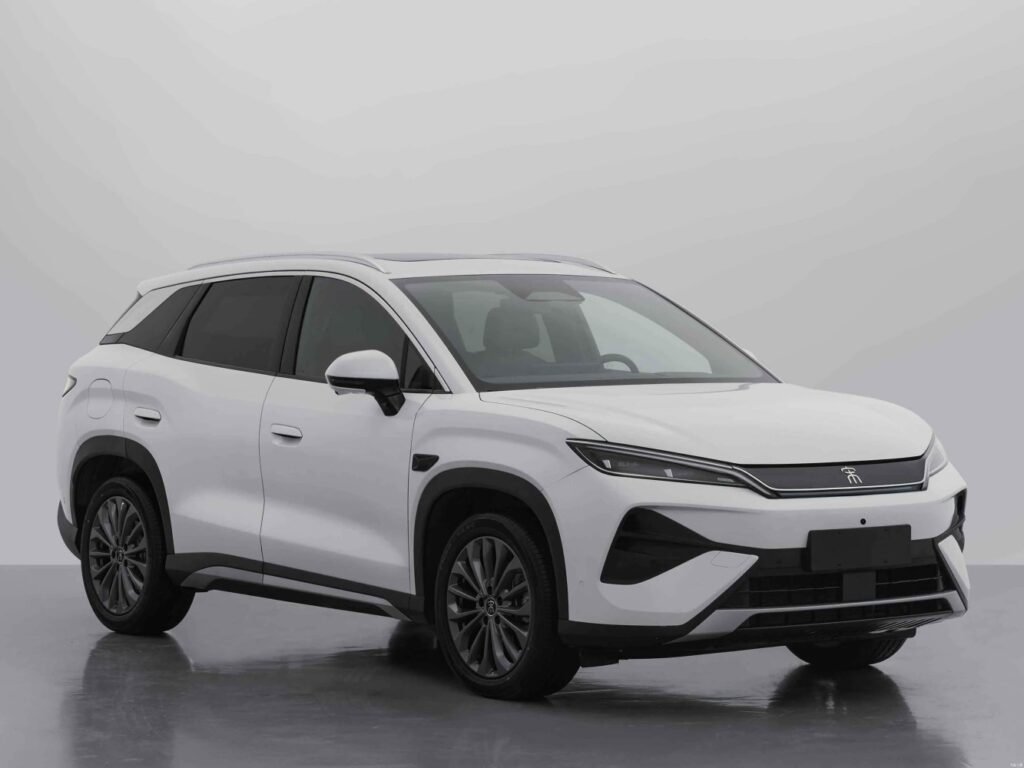
Starting at ¥151,900($22000), the Song Ultra EV officially launches with CloudCharging-C+ fast-charging technology as standard across the lineup

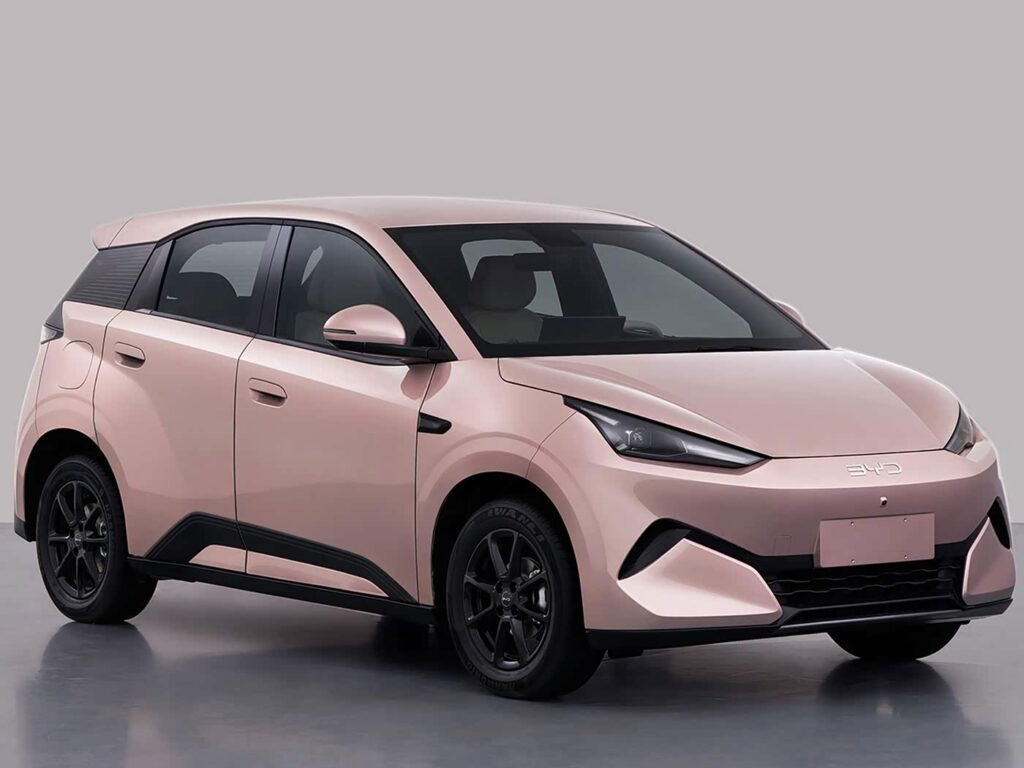
The BYD Song Ultra EV has officially launched, with four trim levels available at prices ranging from 151,900 to 179,900 yuan. The new model is equipped with BYD’s second-generation Blade Battery and Flash Charge technology, offering a maximum CLTC range of 710 km. Additionally, the vehicle offers an optional “Eye of the Sky B” laser-assisted driving system, which supports features such as City Pilot and all-scenario intelligent parking assistance. Exterior-wise, the front fascia continues the brand’s design language with minimalist lines. The front end features clean lines that create a forward-looking stance, paired with a black grille to enhance depth and dimensionality. The vehicle is equipped with elongated headlights that blend seamlessly with the front fascia. The sharp, slightly upward-sweeping full-width daytime running lights naturally connect with the headlights and the hood’s creases, creating a dynamic, orderly breathing light welcome effect. In terms of exterior colors, the vehicle offers six options: Fire Rock Gray, Snow Mountain White, Smoky Purple, Star River Beige, Palm Green, and Obsidian Black. On the side profile, the vehicle features a three-segment wing-like character line. The three-segment recessed creases on the front and rear wheel arches further enhance the three-dimensional wrapping effect around the wheel arches. The floating roof is achieved through a blacked-out D-pillar, paired with a straight roofline that not only enhances the vehicle’s sportiness and modernity but also maximizes rear headroom. In terms of details, the new model will be equipped with 19-inch low-drag wheels. By simplifying decorative elements and optimizing the area of the trim panels, the vehicle effectively reduces its drag coefficient and improves driving range. At the rear, the new model features a full, robust silhouette with a balanced and stable design devoid of unnecessary complex lines, echoing the front fascia. The full-width, flowing “Chinese Knot” taillights draw inspiration from traditional Chinese knot design, with the BYD logo prominently displayed at the center of the light strip. The roof is equipped with an integrated spoiler, further emphasizing its youthful and dynamic character. In terms of dimensions, the Song Ultra EV (Specs | Inquiry) is positioned as a midsize SUV, with a length, width, and height of 4,850/1,910/1,670 mm, and a wheelbase of 2,840 mm. Inside, the vehicle features a 15.6-inch adaptive rotating central touchscreen, a 10.25-inch digital instrument cluster, and a 26-inch W-HUD, all powered by the new UI 7.0 infotainment system. The interior design draws inspiration from minimalist aesthetics, emphasizing warm textures and the artistic concept of “negative space,” and is available in two color schemes: Sea Salt Gray and Twilight Cloud Gray. In terms of materials, high-contact areas in the cabin are wrapped in soft-touch materials, while the door trim panels feature a silver-threaded armor-forged texture. For details, the vehicle features an integrated electronic gear selector, the passenger side panel is equipped with intelligent 3D depth-of-field ambient lighting, and the air vents adopt a cloud-window-blade design. For the seats, the new model offers ventilation, heating, and 10-point independent massage functions. The driver’s seat features 8-way power adjustment, the front passenger seat offers 4-way power adjustment, the front passenger leg rest provides 2-way power adjustment, and both driver and front passenger seats include 4-way power-adjustable lumbar support. Additionally, the vehicle is equipped with a “Queen’s Seat” for the front passenger. Both the driver’s and front passenger’s seats can be individually switched to a fully reclined position or folded down with a single button, seamlessly connecting to the second-row seats to form a flat load floor. The rear seats support a 40/60 split-folding configuration. In terms of features, the Song Ultra EV is equipped with a smart climate-controlled storage compartment, with cooling temperatures ranging from -6°C to 15°C and heating temperatures from 35°C to 50°C. Additionally, the vehicle features a 150L front storage compartment with tap-to-unlock functionality. Under normal conditions, the trunk capacity is 730L, and when the rear seats are folded down, the capacity can be expanded to a maximum of 1,659L. In terms of driver assistance, the Song Ultra EV also offers the optional “Eye of the Sky B” driver assistance system with laser technology (DiPilot 300). Eye of the Sky 5.0 features the latest large-scale model version, which builds upon a fully closed-loop, end-to-end architecture and incorporates enhanced machine learning capabilities. The vehicle will support features such as City Navigation Assist (CNOA), Highway Navigation Assist (HNOA), and All-Scenario Intelligent Parking Assist. Additionally, the entire lineup will come standard with seven airbags, including six conventional airbags and a front-row side curtain airbag. In terms of powertrain, the entire lineup features a single-motor all-electric system with maximum power outputs of 240 kW and 270 kW, respectively, and peak torque of 305 N·m. For the battery, the vehicle will be equipped with BYD’s second-generation Blade Battery, with capacities of 68.4 kWh and 82.7 kWh, respectively, and CLTC pure electric ranges of 620 km and 710 km. Charging from 10% to 70% takes just 5 minutes, and from 10% to 97% takes only 9 minutes. Additionally, the Song Ultra EV comes standard across the lineup with the YunNian-C Intelligent Damping Chassis Control System, which includes the TBC High-Speed Run-Flat Stability System. Positioned in the highly competitive core market for mid-size electric SUVs priced between ¥150,000 and ¥200,000, the Song Ultra EV boasts key advantages such as standard ultra-fast charging technology, second-generation Blade Batteries, and the YunNian-C Intelligent Chassis. Its competitors include the Leapmotor C11, the Saic H5, and the Xpeng G6. The price ranges of these models overlap almost entirely with that of the Song Ultra EV; all are positioned as pure-electric midsize SUVs targeting the family market. Compared to its core competitors, the Song Ultra EV offers a lower price point, superior charging efficiency, and greater interior space and comfort. However, its advanced driver-assistance systems require an additional upgrade, and its overall performance in this area may not match that of competitors from Xpeng or Huawei—though this remains to be confirmed in future evaluations. Overall, the Song Ultra EV is precisely tailored to the mainstream consumer group that prioritizes

Starting at ¥151,900($22000), the Song Ultra EV officially launches with CloudCharging-C+ fast-charging technology as standard across the lineup Read More »

BYD Unveils Second-Generation Blade Battery, Equipping First Ten Models

In the new energy vehicle sector, BYD once again leads the trend with technological innovation, officially unveiling its second-generation Blade Battery on March 5, 2026. This breakthrough not only redefines the standards for power batteries but also resolves the industry’s persistent challenges of slow charging and difficulty in low-temperature charging. The first batch will be featured in ten models across four brands. Among them, the BYD Sealion 06 EV, BYD Seal 07 EV, Denza Z9 GT, Yangwang U7 EV/PHEV, and Yangwang U8/U8L are already on the market, while the Fangchengbao Tai 3, Tai 7, BYD Super Tang, Song Ultra, and Seal 08 are set to launch soon. I. Flash Charging Technology: A Dual Leap in Speed and Efficiency BYD’s second-generation Blade Battery achieves astonishing charging speeds: reaching 70% from 10% in just 5 minutes and 97% from 10% in 9 minutes at room temperature. Even in sub-zero temperatures of -30°C, it requires only an additional 3 minutes to complete charging. This breakthrough stems from BYD’s “Lithium-Ion High-Speed Channel” and “All-Temperature Intelligent Thermal Management System.” These innovations effectively minimize heat generation during rapid charging while ensuring rapid, uniform heat dissipation. This enables a qualitative leap in charging speed without compromising battery longevity. II. Long Lifespan: The Symbiotic Relationship Between Flash Charging and Durability Historically, charging speed and battery longevity have been seen as conflicting priorities, with high-power charging often compromising battery lifespan. However, BYD’s second-generation Blade Battery breaks this curse through technological innovation. By optimizing internal battery structure and thermal management, it delivers rapid charging while maintaining exceptional durability. BYD has even announced enhanced warranty coverage for the second-generation Blade Battery: free replacement if capacity drops below 77.5%, with lifetime cell warranty—a testament to its exceptional longevity. III. High Safety: Comprehensive Protection Against Extreme Challenges Safety is the lifeline of new energy vehicles, and the second-generation Blade Battery excels in this domain. It has passed a series of rigorous safety tests far exceeding China’s new national standards, including needle penetration tests during rapid charging after 500 rapid-charge cycles, thermal runaway tests, and bottom impact tests. In all these tests, the second-generation Blade Battery demonstrated outstanding safety performance, ensuring no fire or explosion even under extreme conditions, providing solid protection for user driving safety. As the “Battery King,” BYD consistently holds the defining authority over core battery technologies. From the first-generation Blade Battery redefining safety through needle penetration testing to the second-generation resolving the flash charging-lifespan dilemma, BYD continuously drives industry progress through technological innovation. The newly launched second-generation Blade Battery not only sets a new industry benchmark but also injects powerful momentum into the global development of new energy vehicles. The seamless integration of rapid charging, extended lifespan, and high safety in BYD’s second-generation Blade Battery reaffirms the company’s leadership in power battery technology. As the new energy vehicle market continues to expand and consumer demand for high-quality batteries grows, this breakthrough battery is poised to become a market favorite, guiding the industry toward a brighter future.

BYD Unveils Second-Generation Blade Battery, Equipping First Ten Models Read More »

Canada cuts tariffs on Chinese electric cars to 6.1 percent from 100 percent

From January 14 to 17, 2026, Canadian Prime Minister Carney was invited to pay an official visit to China. The two sides reached a broad consensus on deepening economic and trade cooperation, signed the China-Canada Roadmap for Economic and Trade Cooperation, and formed preliminary joint arrangements on handling bilateral economic and trade issues, including two new adjustments to import tariffs on electric vehicles and agricultural products. Tariffs on electric vehicle imports from China were reduced to 6.1 percent This includes a tariff quota agreement for electric vehicles from China. Specific details are below: Canada will allow up to 49,000 Chinese electric vehicles per year to enter the Canadian market, which will be subject to a most-favored-nation (MFN) tariff rate of 6.1%. This agreement marks the end of Canada’s policy of imposing a 100 percent tariff on Chinese electric vehicles in favor of a tariff quota system. Canada says the quota is equivalent to the volume of Chinese EV exports to Canada before the trade friction in 2023-2024, which is about less than 3% of the Canadian new car market. Canada said it expects that within three years, the agreement will facilitate the establishment of joint ventures by Chinese companies in Canada, promote the development of a local electric vehicle supply chain and, within five years, enable more than 50 percent of imported vehicles to become affordable electric vehicles with an import price of less than C$35,000, providing more low-cost options for Canadian consumers.

Canada cuts tariffs on Chinese electric cars to 6.1 percent from 100 percent Read More »

Leapmotor Lafa5

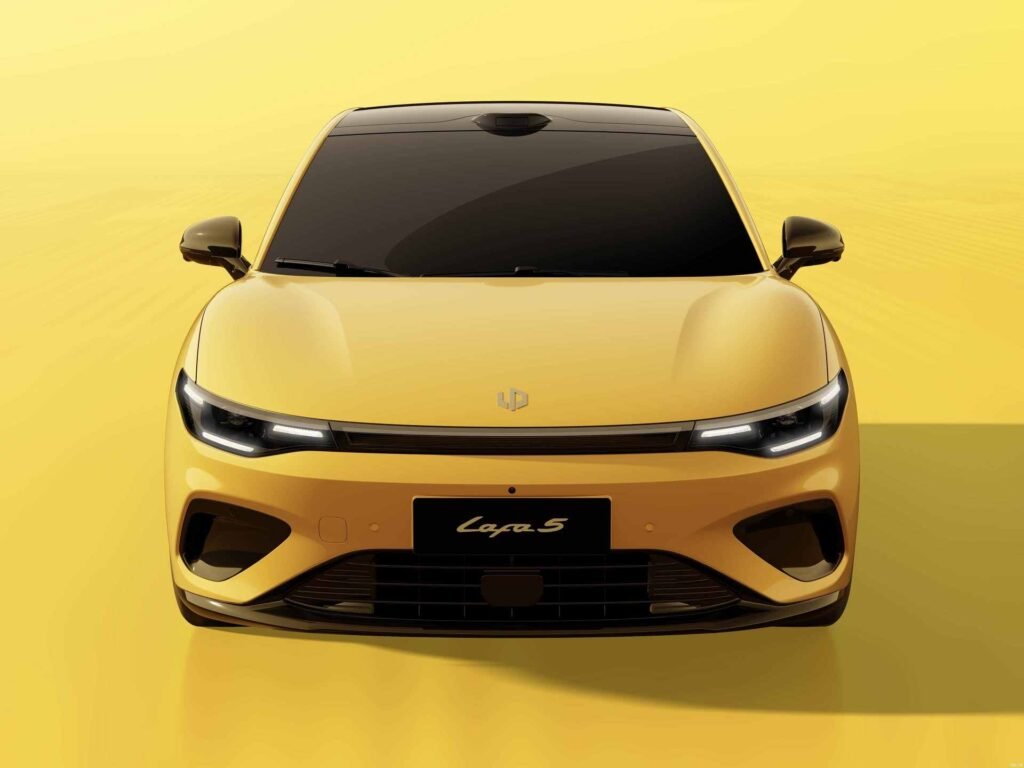
Starting at ¥92,800($13,000), the Leapmotor Lafa5 officially launches—the “electric Golf” has arrived!

On November 27, Leapmotor officially launched its all-new pure-electric sedan, the Leapmotor Lafa5. The new model comes in five configurations with limited-time pricing ranging from ¥92,800($13,000) to ¥116,800($16,500). Unlike Leapmotor’s A, B, C, and D series, the Lafa5 is designed and positioned specifically for young consumers, emphasizing both individuality and practicality. At first glance, the Leapmotor Lafa5 evokes a wide-body coupe aesthetic. Its dimensions of 4430mm/1880mm/1520mm yield a width-to-height ratio of 1.237. The front fascia features a sporty design with a blacked-out, full-width light strip and a sloping profile. The profile showcases frameless doors and hidden door handles. The rear end is slightly rounded but echoes the front with its own blacked-out, full-width taillights. Furthermore, the Leapmotor Lafa5 offers six body colors—Electric Yellow, Wind-Racing Gray, Starry Night Blue, Morgan Pink, Galaxy Silver, and Metallic Black—tailored to meet the personalized demands of young consumers. Despite its sporty coupe positioning, the Leapmotor Lafa5 doesn’t compromise on practicality, boasting a wheelbase of 2735mm. The trunk offers a standard capacity of 435L, expandable to 1400L with the rear seats folded down—sufficient for daily commuting and occasional transport of large items. The cabin features 25 storage compartments. The “Magic Extension Island” in front of the passenger seat includes six standardized ports compatible with over 30 accessories, further expanding usage scenarios. Additional amenities include 50W wireless phone charging, a panoramic sunroof, and ventilated/heated front seats. Intelligent features form another core highlight of the Leapmotor Lafa5. Mid-to-low trim levels utilize the Qualcomm 8155 chip, while the high-end variant upgrades to the Qualcomm 8295 chip for a smoother infotainment experience. All models run the Leapmotor OS 4.0 system, integrating dual AI large models—DeepSeek and Tongyi Qianwen—to support natural interactions like dialect recognition and continuous dialogue. The top-tier Max variant further incorporates LiDAR and a Qualcomm 8650 chip, enabling intelligent highway and city driving assistance. Powertrain options include two power configurations. The base model features a 132kW rear motor with 0-100km/h acceleration in 8.7 seconds, while the high-power variant employs a 160kW rear motor achieving 0-100km/h in just 6.4 seconds. Battery options include 56.2kWh and 67.1kWh capacities, delivering CLTC ranges of 515km and 605km respectively. All Leapmotor Lafa5 models feature an 800V high-voltage architecture as standard, enabling 30%-80% fast charging in approximately 18 minutes to effectively alleviate range anxiety. For Leapmotor, the Lafa5 carves out a new youth-oriented segment, yet its core strength remains “value for money.” Compared to similarly priced competitors like the BYD Dolphin, XPeng MONA M03, and Volkswagen ID.3, the Lafa5 offers more substantial hardware specifications. This tangible hardware appeal targets young consumers seeking exceptional value.

Starting at ¥92,800($13,000), the Leapmotor Lafa5 officially launches—the “electric Golf” has arrived! Read More »

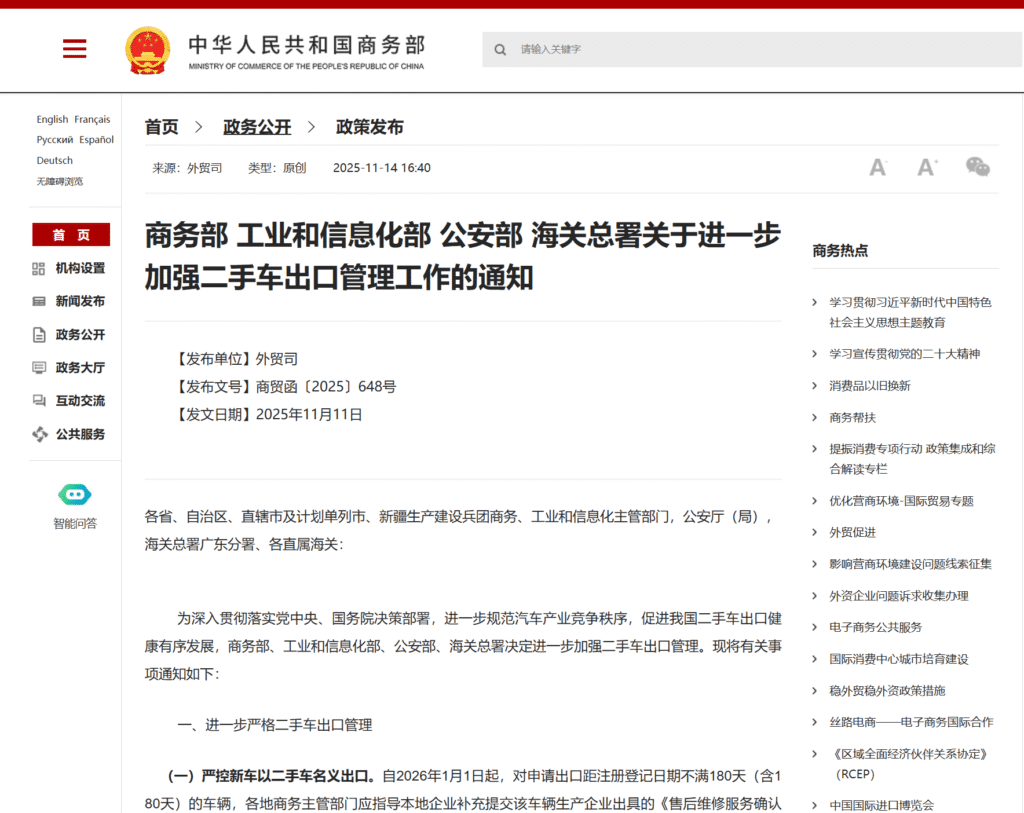
Notice from the Ministry of Commerce, the Ministry of Industry and Information Technology, the Ministry of Public Security, and the General Administration of Customs on Further Strengthening the Management of Used Car Exports

Source: Ministry of Commerce of the People’s Republic of China [Issuing Authority] Department of Foreign Trade [Document Number] Commerce and Trade Letter [2025] No. 648 [Date of Issuance] November 11, 2025 To the commerce, industry and information technology departments, public security bureaus (departments), Guangdong Branch of the General Administration of Customs, and all directly affiliated customs offices of all provinces, autonomous regions, municipalities directly under the Central Government, cities under separate state planning, and the Xinjiang Production and Construction Corps: To thoroughly implement the decisions and deployments of the CPC Central Committee and the State Council, further regulate the competitive order of the automobile industry, and promote the healthy and orderly development of my country’s used car exports, the Ministry of Commerce, the Ministry of Industry and Information Technology, the Ministry of Public Security, and the General Administration of Customs have decided to further strengthen the management of used car exports. The relevant matters are hereby notified as follows: Further Strengthen the Management of Used Car Exports (I) Strictly Control the Export of New Cars Under the Guise of Used Cars. From January 1, 2026, for vehicles applying for export that are less than 180 days (inclusive) from the registration date, local commerce departments should guide local enterprises to supplement the application with a “Confirmation of After-Sales Service” issued by the vehicle manufacturer. This confirmation should include the country of export, vehicle information, information on after-sales service outlets, and be stamped with the official seal of the manufacturer. Vehicles that cannot provide the above materials will not be issued an export license. For vehicles that have completed transfer registration and are awaiting export formalities before the implementation date of this notice, enterprises should be guided to fulfill their contracts and export in an orderly manner. (II) Standardize the application and issuance of export licenses. Local commerce departments should guide enterprises to complete the export license application information accurately and completely. The vehicle brand, model, registration date, and transfer registration date awaiting export should be consistent with the “Motor Vehicle Registration Certificate.” The registration date and transfer registration date awaiting export should be filled in the appendix to the export license. Export licenses will not be issued to those who fail to fill in the above information as required. The Ministry of Commerce will closely monitor the export license information submission and will issue notices to enterprises and relevant issuing agencies that repeatedly violate the regulations. (III) Establish a dynamic management and exit mechanism for enterprises. Local commerce departments should strengthen the construction of local used car export credit evaluation systems, and conduct daily supervision and dynamic management of enterprises in accordance with the “Negative List of Dishonest Behaviors in Used Car Exports” (Appendix 1), to standardize enterprise business practices and export competition order. Enterprises exhibiting dishonest behavior should be promptly interviewed. Enterprises with repeated acts of dishonesty, failure to provide timely technical and spare parts support for exported vehicles, or failure to fulfill quality assurance obligations, or whose legal representatives or related parties establish separate enterprises to conduct used car export business, should be ordered to formulate and implement corrective measures for their previous dishonest behavior. When reviewing their export license applications, the implementation of corrective measures should be comprehensively considered in deciding whether to grant a license. Further Strengthen Compliance Review (IV) Strictly enforce the license application conditions for vehicles exported under the guise of modified vehicles. Local commerce departments should guide modified vehicle export enterprises to accurately fill in information such as vehicle chassis brand, modified vehicle brand, and vehicle model, and submit proof of the authenticity of the modification (Appendix 2). Export licenses will not be issued for products for which the authenticity of the modification cannot be proven, for which similar modified vehicle products are not listed in the Ministry of Industry and Information Technology’s “Announcement of Road Motor Vehicle Manufacturers and Products,” or for which they do not possess valid national mandatory product certification. Local modified vehicle manufacturers’ export situation and their modification production capacity commensurate with export volume should be investigated, and relevant information should be promptly reported to the Ministry of Commerce. The Ministry of Commerce, the Ministry of Industry and Information Technology, and the General Administration of Customs will closely monitor and promptly share information on any abnormalities in the export of modified vehicles, and intensify inspections and penalties. Continuously Promote the Healthy Development of Used Car Exports (V) Enhance Enterprises’ International Business Capabilities. Local commerce departments should fully utilize various trade promotion platforms to support enterprises in exploring diversified markets. Enterprises with the necessary conditions should be encouraged to establish public exhibition and trading markets in key markets, expanding comprehensive services such as marketing and warehousing. A sound training system should be established to guide enterprises in conducting business in compliance with regulations through policy briefings and experience exchanges. (VI) Improve the Export Support System. Local commerce departments should focus on long-term development, guiding export enterprises to work with automobile manufacturers and overseas importers to provide after-sales service, ensuring the supply of repair parts and technical support. Exchanges and cooperation between export enterprises and supply chain partners such as logistics, finance, and third-party quality assurance agencies should be promoted. The development of specialized trading markets for used car exports should be explored, providing “one-stop” services for used car export preparation, testing, customs declaration, and logistics, providing support and guarantees for the healthy and sustainable development of used car exports. Ministry of Commerce Ministry of Industry and Information Technology Ministry of Public Security General Administration of Customs November 11, 2025          

Notice from the Ministry of Commerce, the Ministry of Industry and Information Technology, the Ministry of Public Security, and the General Administration of Customs on Further Strengthening the Management of Used Car Exports Read More »

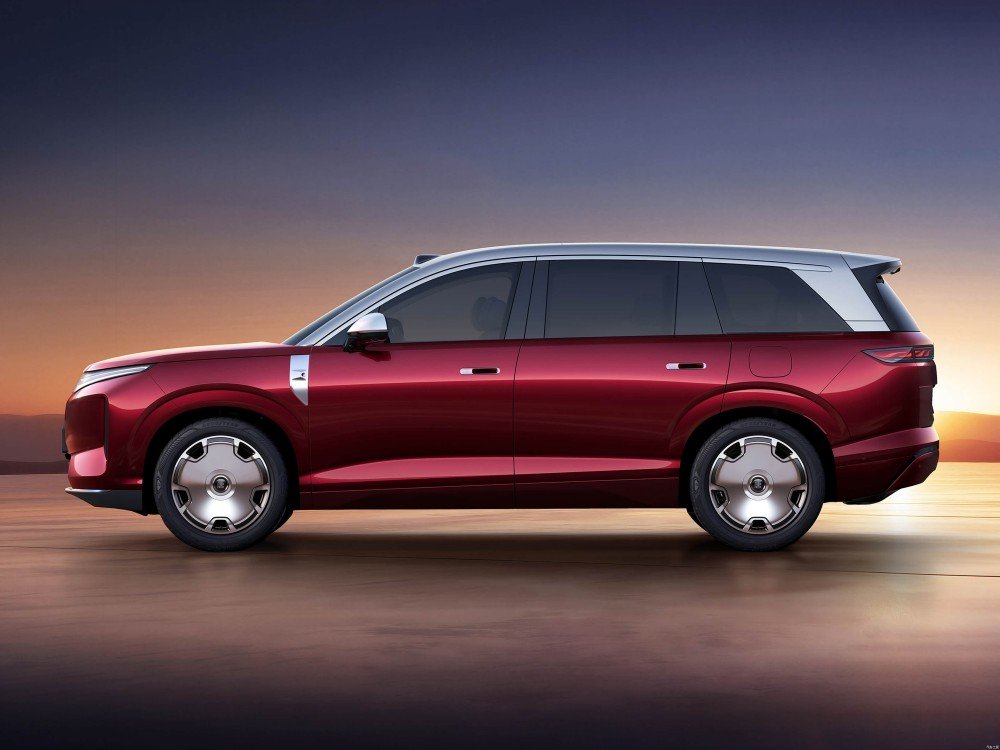
Audi E5 Sportback goes on sale from ¥235,900 ($33000)

Audi E5 Sportback goes on sale from ¥235,900 ($33000)

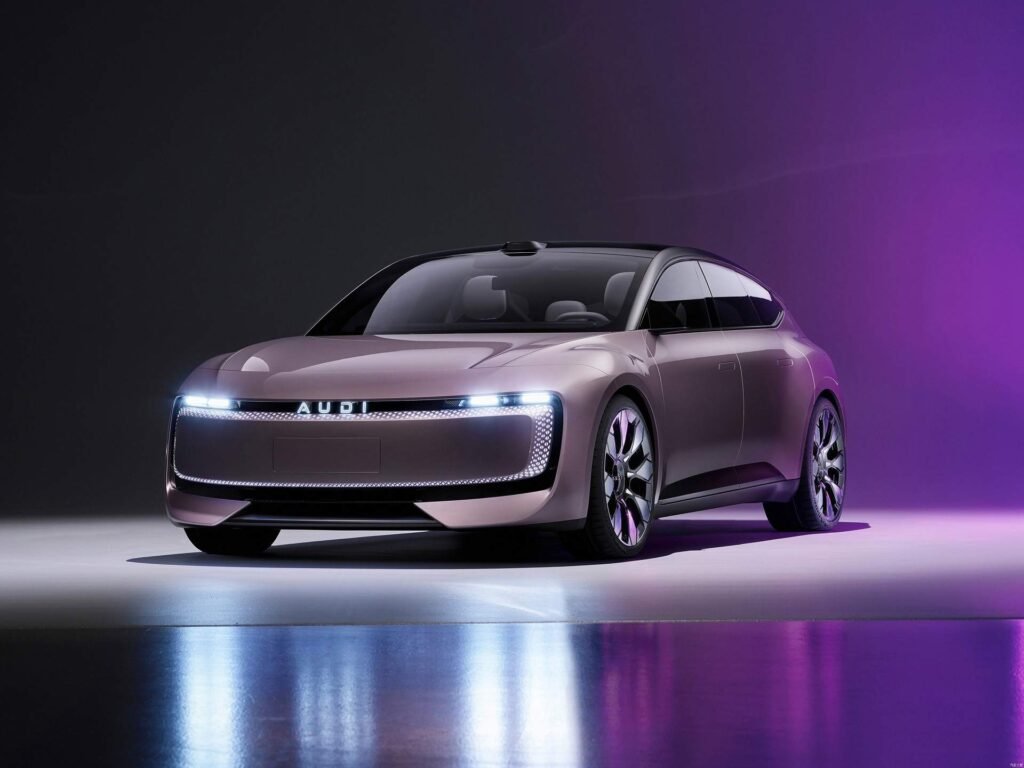
Guangzhou, September 16, 2025 – The Audi E5 Sportback has been officially launched with four models: Pioneer, Pioneer plus, Pioneer quattro and Flagship quattro, starting at 235,900 RMB. Audi E5 Sportback is the first model of the new AUDI brand. It is more than just a car, it is a declaration that there is no need to compromise between German engineering heritage and cutting-edge digital innovation in China. It seamlessly integrates the AI-powered Smart Cockpit and Advanced Driver Assistance Systems into Audi’s commitment to aggressiveness, agility, luxury and safety.” As the debut of Audi’s new EV design language in China, the Audi E5 Sportback, through five rounds of user research, combines two classic Audi body forms, the coupe and the wagon, to create a highly futuristic styling that fits the pursuit of China’s pioneering new energy users. The interior is based on structured architectural aesthetics, adopting a clear horizontal layered layout, and organically integrating natural wood with comfort and technology. Inheriting Audi’s reputation as a “light factory”, the E5 Sportback is the world’s first to utilize the “Star Diamond Light Curtain” design, which integrates with aerodynamic components and sensors to form an integrated technological grille, demonstrating the aesthetic advancement in the digital era. The new generation of Audi E5 Sportback’s super-sensory interactive digital cockpit combines China’s first intelligent electric technology to better understand Chinese users. The new AUDI OS operating system is equipped with Qualcomm Snapdragon 8295 automotive-grade chip, and with “natural interaction, at your fingertips” as the core, it brings iPhone-style car-machine interaction experience, interpreting Audi’s forward-looking insights into the future of human-machine interaction. The Audi Assistant in the center of the cockpit, relying on the deeply customized Volcano Engine large language model “Doubao”, is like Siri of iPhone, capable of powerful semantic understanding, multi-round dialogue and car control interaction, and it is the first to realize the black technology of voice cloning, creating a unique voice partner. The Audi Wisdom Island in the central armrest area is similar to Apple’s touch bar, integrating more than 50 customizable quick and blind functions. In the field of assisted driving, Audi is the first luxury automobile brand to reach in-depth cooperation with Momenta, a top Chinese technology company, and the two sides have jointly developed the industry’s first “German Driving DNA+ End-to-End Flywheel Model” program, which comprehensively covers urban, high-speed and parking scenarios. SAIC Audi puts forward the concept of “Assisted Driving” for the first time, providing three assisted modes: Soft, Agile and Standard, which not only fully adapts to the diversified driving preferences of Chinese users, but also ensures that even in the assisted state, it still continues to be a pure Audi driving control texture, so that the car “understands” what handling is. The Audi E5 Sportback is officially launched. Audi E5 Sportback injects Audi’s proud sporty gene into the pure electric era. Equipped with front and rear permanent magnet synchronous dual motor system, it generates 787 hp and 800Nm of peak torque, and achieves the ultimate performance of accelerating from 0-100km/h in just 3.4 seconds. Trained by Audi’s 100-year driving data model, the quattro has evolved in the electric era to be the same as the mechanical quattro, but faster and smarter, with the full-blooded quattro taking on a new look in purely electric form. At the same time, the E5 Sportback is equipped with CDC variable damping and air suspension, Brembo four-piston high-performance brake calipers, and progressive steering and rear-wheel steering, combining sporty tension with luxurious comfort. The arrival of the Audi E5 Sportback marks a complete innovation and transcendence of the traditional luxury brand in the field of intelligent pure electric power, and will further accelerate Audi’s electrification strategy in China and continue to empower Chinese customers with high-end electric mobility.

Audi E5 Sportback goes on sale from ¥235,900 ($33000) Read More »

Starting from 62,800 RMB($8900), Arcfox T1 is officially launched, opening a new chapter of exquisite pure electric life.

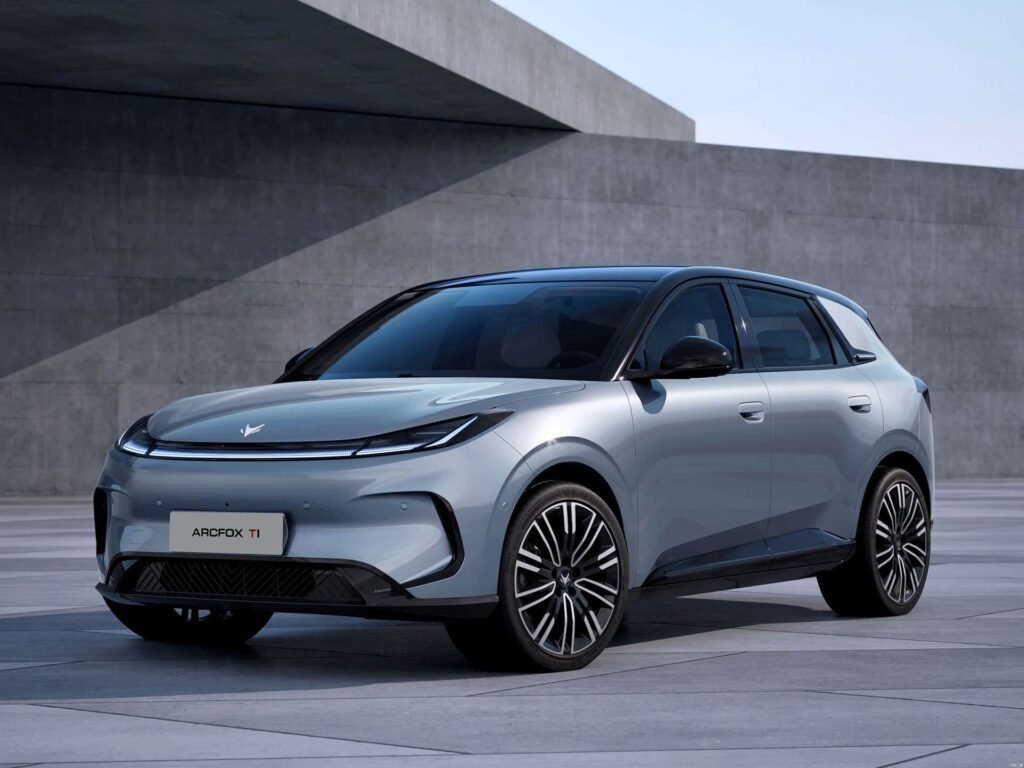
On September 11, Arcfox officially launched its first model in the A0 class pure electric market – Arcfox T1. The new car was launched in five versions, with a factory-guided price range of 62,800 yuan to 87,800 yuan. The price of 62,800 yuan makes people’s eyes bright, but also brings a lot of surprises in space, handling, design and safety, as if it is tailor-made for young people who pursue quality life. Walking into the world of Arcfox T1, you will first be attracted by its ingenious design of “A0-class body, B-class car space”. Don’t look at its small and exquisite appearance, once you open the door, the spaciousness brought by the long wheelbase of 2770mm will instantly amaze people. The front seats can be easily put down, and the rear seamlessly spliced into a comfortable bed, whether it is a lunch break or camping overnight, can easily deal with. Not to mention the car’s 32 storage spaces and large trunk, from children’s toys to family luggage, all can be loaded, so that travel becomes more relaxed. Driving Arcfox T1 is like having a caring driving assistant. 360° panoramic image plus 540° stereoscopic panoramic image makes every corner underneath and around the car clearly visible, so that even novice drivers can easily deal with various parking problems. The only 50-meter tracking reversing function in the same class is to make the mistake of entering a dead end become a thing of the past, a key operation, easy to return to the original way. What’s more commendable is that the black technology of “turn as you wish” allows the long-wheelbase T1 to make a U-turn on a narrow road, so that the city can be shuttled with ease. The design of Arcfox T1 reveals the pursuit of quality life everywhere. The avant-garde and fashionable appearance, together with the agile and glittering headlights and penetrating LED light bands, make people unforgettable at a glance. Inside the car is even more unique, million-class luxury cars with the same type of high-grade leather package, simple but without losing the sense of technology interior design, so that people seem to be in the future of the cabin. The 2.34m² panoramic canopy, the largest in its class, brings the romance of stargazing into reality. Safety is the firm commitment that Arcfox T1 gives to every passenger. Aurora battery adopts high-strength keel frame technology, and a number of test standards far exceed the new national standard, even up to 96 times higher, which really makes the battery safe and worry-free. The car body adopts high-strength cage design, and the application of 1500MPa high-strength steel in key parts provides a solid mobile safety fortress for the whole family. Coupled with a full range of airbags and collision automatic unlocking function, every trip is a peace of mind. For pure electric vehicles, range has always been the focus of consumer attention. Arcfox T1, however, dispels people’s concerns with its class-leading 425km of true range. It can easily cope with a weekly commute with just one charge. Moreover, its charging speed is also very fast, the power from 30% to 80% in just 16.9 minutes, a cup of coffee time can make the car full of blood. The launch of Arcfox T1 not only brings new vitality and choices to the A0-class pure electric market, but also wins the favor of many young consumers with its affordable price, over-the-top spatial enjoyment, flexible driving and control experience, exquisite design details, and hard-core safety and security. In this fast-paced era, Arcfox T1 is working with young people to open a new chapter of exquisite pure electric life.

Starting from 62,800 RMB($8900), Arcfox T1 is officially launched, opening a new chapter of exquisite pure electric life. Read More »

Kenya automotive market

Your Complete Guide: How to Import Cars from China to Kenya (Costs, Process & Benefits)

Thinking about importing cars into Kenya? Looking beyond traditional markets like Japan? China has rapidly become a global powerhouse in automotive manufacturing, offering Kenyan buyers incredible value, diverse options, and increasingly reliable vehicles. This guide breaks down everything you need to know about importing vehicles from China to Kenya successfully. Why Import Cars from China? Key Advantages for Kenyan Importers: Understanding the Kenyan Import Landscape: Policies & Regulations Before placing an order, understanding Kenyan regulations is CRITICAL: The Step-by-Step Import Process: From China to Kenyan Roads Key Considerations & Pro Tips: Conclusion: Unlocking Value from China Importing vehicles from China to Kenya offers a compelling path to accessing modern, affordable, and diverse automotive options for your business or personal use. Success hinges on meticulous planning, understanding the complex Kenyan regulations (especially KESVS compliance and taxes), partnering with a reliable supplier in China, and using a competent Kenyan clearing agent. By following this guide, doing thorough due diligence, and budgeting accurately for all costs, you can confidently navigate the import process and leverage the significant advantages the Chinese automotive market offers Kenyan buyers.

Your Complete Guide: How to Import Cars from China to Kenya (Costs, Process & Benefits) Read More »

Tanzania automotive

The Ultimate Guide: How to Import Cars from China to Tanzania Successfully

For Tanzanian entrepreneurs and businesses looking for affordable, diverse, and technologically advanced vehicles, importing directly from China offers a compelling opportunity. This guide breaks down everything you need to know – from policies to practical steps. Why Import Cars from China? Key Advantages Understanding Tanzania’s Import Policies Step-by-Step Import Process 1. Find a Reliable Supplier 2. Negotiate Terms & Ship 3. Prepare Documentation Essential paperwork includes: 4. Clear Customs in Tanzania 5. Register & Operate Pro Tips for Success Frequently Asked Questions Q: Can I import electric vehicles from China? A: Yes! EVs like BYD Dolphin or GWM Ora are popular. Reduced duties may apply under Tanzania’s green initiatives. Q: How long does shipping take? A: 30–45 days from Shanghai to Dar es Salaam. Q: Are Chinese cars reliable in Tanzania? A: Brands like Chery and Foton have service centers in Dar. Opt for models with local parts support. Key Resources Start Your Import Journey Today! With careful planning and the right partners, importing cars from China can unlock huge value for your Tanzanian business. Connect with suppliers, calculate costs, and tap into one of the world’s most dynamic auto markets.

The Ultimate Guide: How to Import Cars from China to Tanzania Successfully Read More »

Rwanda automotive market

Your Complete Guide to Importing Cars from China to Rwanda

Are you a Rwandan business owner or individual looking to source reliable, cost-effective vehicles? Look east! Importing cars directly from China offers significant advantages for the Rwandan market. This comprehensive guide will navigate you through the policies, benefits, and step-by-step process of importing vehicles from China to Kigali and beyond. Why Import Cars from China to Rwanda? China isn’t just the world’s largest car manufacturer; it’s become a powerhouse offering compelling benefits for Rwandan importers: Understanding Rwandan Import Regulations & Policies Before shipping, understanding Rwanda’s regulatory landscape is crucial: The Step-by-Step Import Process: From China to Rwanda Here’s a breakdown of the key stages: Pro Tips & Important Considerations Frequently Asked Questions (FAQs) Drive Your Business Forward! Importing vehicles directly from China presents a tremendous opportunity for Rwandan businesses to access affordable, diverse, and increasingly high-quality transportation solutions. While the process involves steps and regulations, careful planning, thorough research, and partnering with experienced professionals make it entirely achievable. Ready to explore your options? Begin researching reputable Chinese manufacturers and connect with experienced freight forwarders today! Have questions about importing a specific vehicle type? Share them in the comments below! Disclaimer: This guide provides general information. Regulations, duties, and procedures change. Always consult directly with the Rwanda Revenue Authority (RRA), Rwanda Standards Board (RSB), and professional customs clearing agents for the latest, project-specific requirements before importing.

Your Complete Guide to Importing Cars from China to Rwanda Read More »