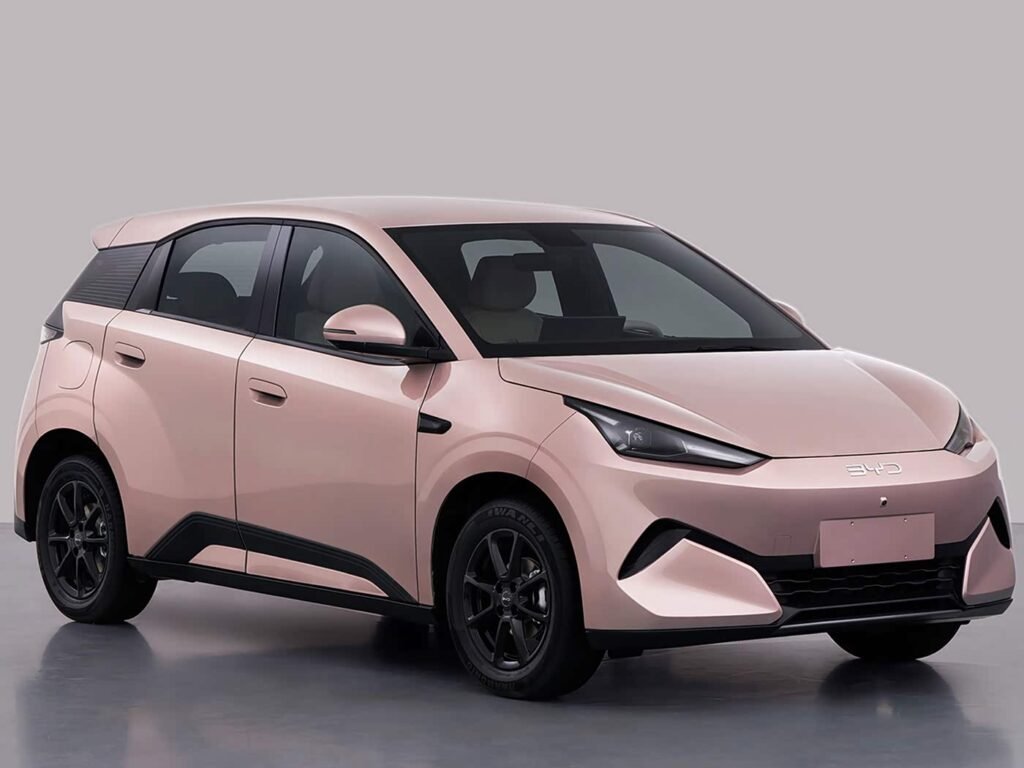
On October 20, BYD’s Ocean Network NEW Seagull underwent a generational update, and the second-generation Seagull was officially launched. The new model is available in five trim levels, with official MSRPs ranging from ¥65,900 to ¥99,900. After applying a ¥3,000 trade-in subsidy, the “Super Trade-In” prices range from ¥62,900($9400) to ¥96,900($14400). With this generational update, the new model has made comprehensive strides across six key dimensions—styling, interior space, comfort, smart features, charging capabilities, and safety—to meet consumers’ growing expectations for high-quality mobility.
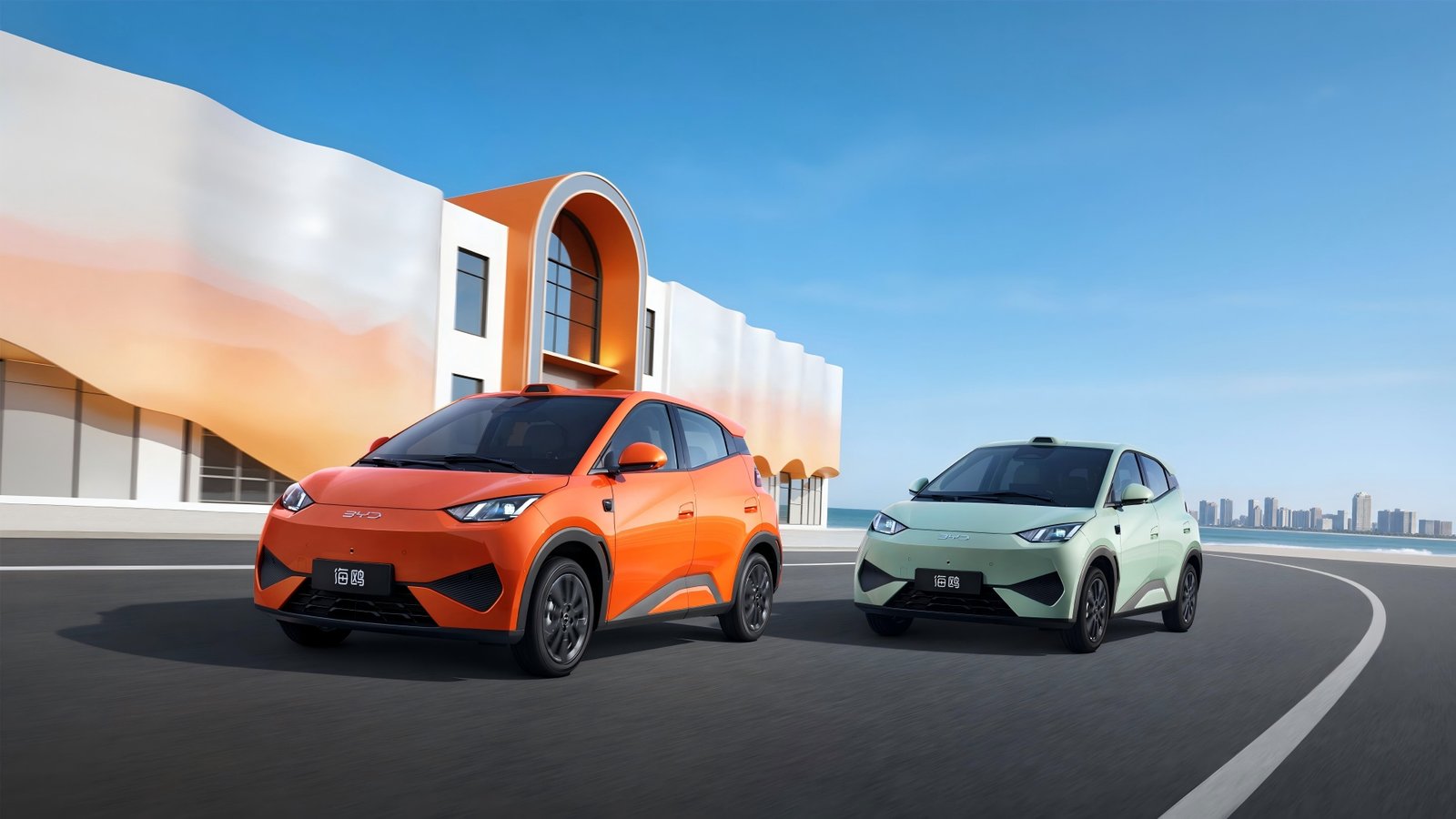
At the event, Zhang Zhuo, General Manager of BYD’s Ocean Network Sales Division, announced that since its launch in 2023, the Seagull has surpassed 1.55 million units in cumulative sales, setting the global record for the fastest-selling all-electric vehicle to reach one million units.
The newly launched second-generation Seagull continues to embrace the Ocean Aesthetics design language. The front fascia features a low-slung profile and is equipped with Trident-inspired LED headlights. The side profile features a shoulder line extending from the front fender to the D-pillar, paired with 16-inch wheels, and the Seagull emblem is prominently displayed throughout the body. The new model is available in six exterior colors—Lime Green, Berry Pink, Cream White, Sesame Gray, Icy Coconut Blue, and Mango Orange—and three interior color schemes: Shell White, Sky Blue, and Polaris Gray.
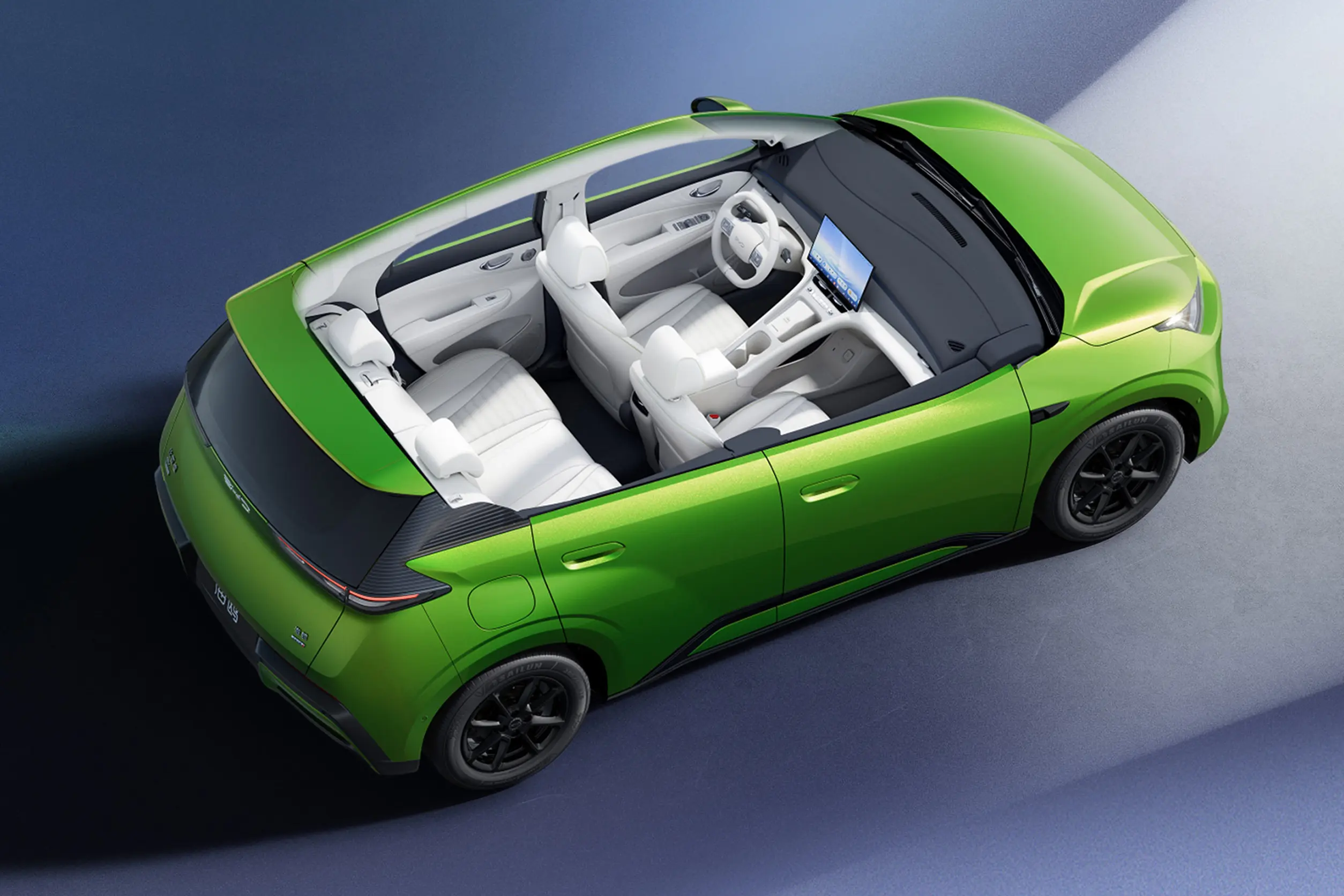
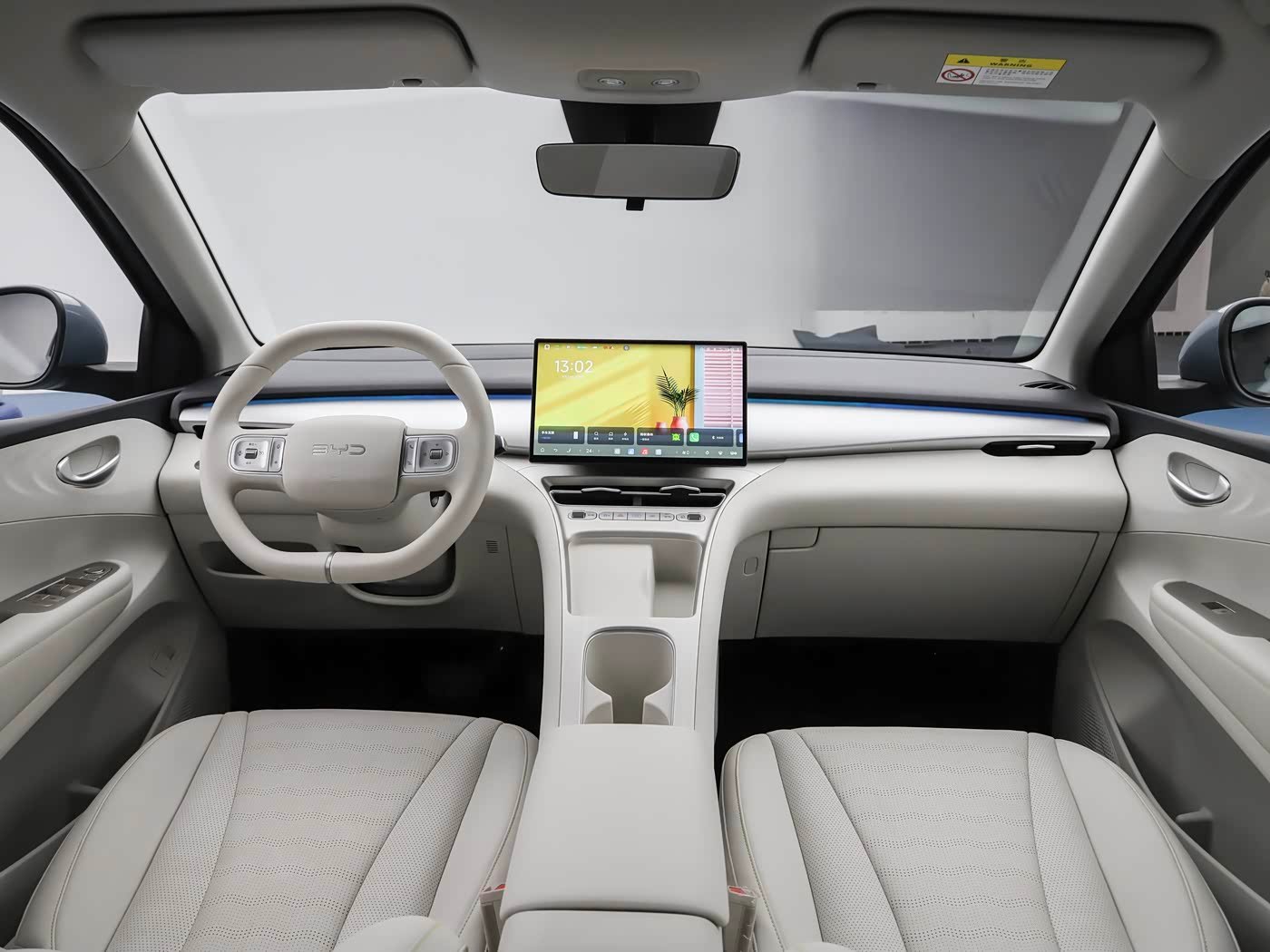
Inside the cabin, the dashboard features a horizontal layout, with the center console seamlessly connecting to the main instrument panel to create a dual-layer storage compartment. The door panels are designed with wave-like contours, and the interior surfaces utilize water transfer printing to produce a visual effect with subtle gold shimmer. The cabin includes dedicated expansion points for smart ecosystem integration, supporting the installation of accessories such as magnetic charging mounts and action cameras, while also featuring seamless magnetic connectors and responsive buttons.
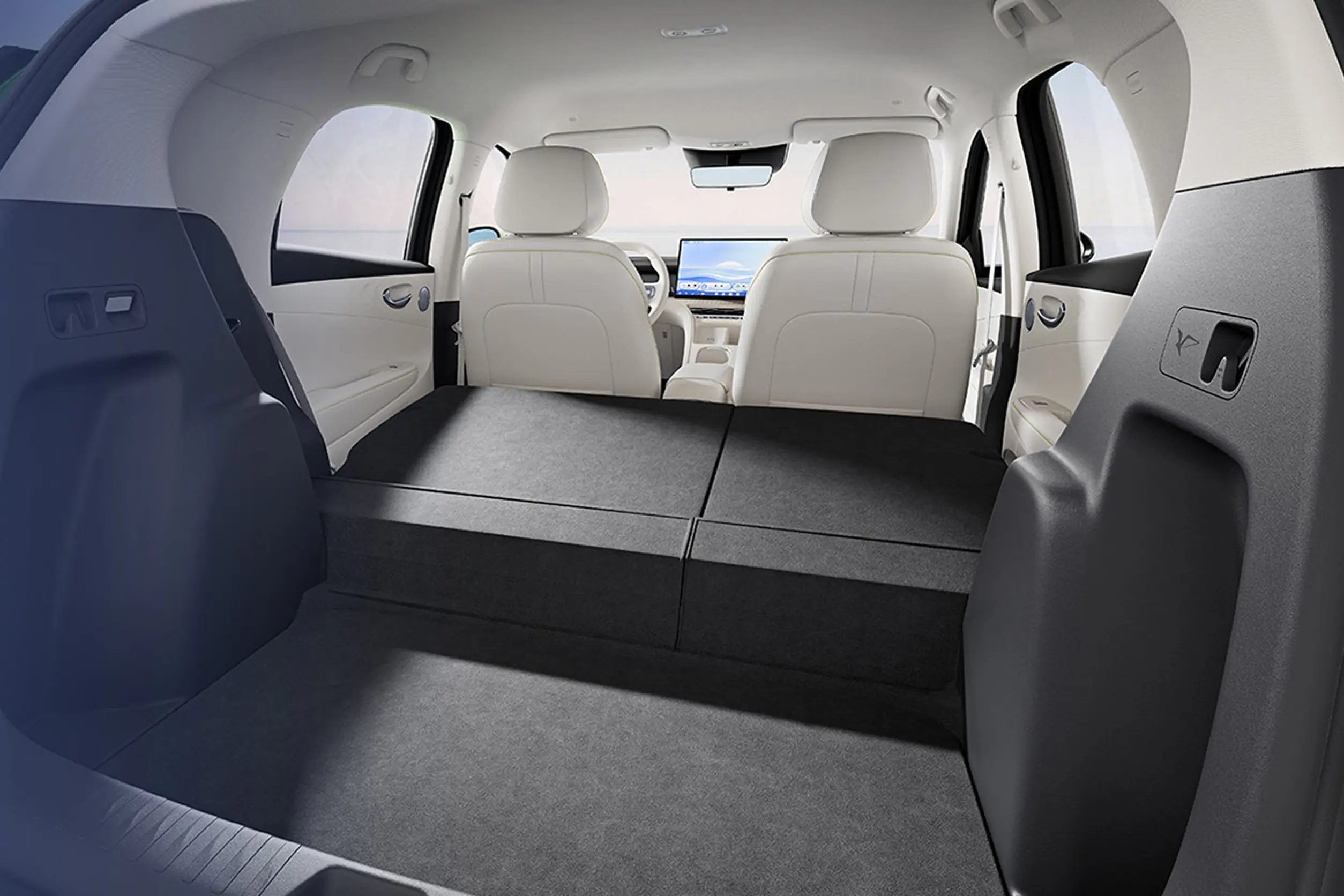
Space utilization is a key focus of this generation’s redesign; the second-generation Seagull now features a five-seat configuration, with overall dimensions of 4,205 mm × 1,810 mm × 1,570 mm and a wheelbase of 2,650 mm. The vehicle features a 94L front trunk, and the standard trunk can accommodate two 24-inch suitcases plus two 20-inch suitcases. With the rear seats folded down, the trunk’s maximum capacity expands to 1,380L, with a depth exceeding 1.5 meters. The vehicle features more than 30 storage compartments, including a hidden, automotive-grade tissue box with a total capacity of 24 L, second-row storage bins, and hidden hooks.
The seats and interior comfort features have been updated: the driver’s seat offers 6-way power adjustment, while the front passenger seat offers 4-way power adjustment, with a front seat cushion width of 504 mm. Both the driver’s and front passenger’s seats are equipped with three-level heating and ventilation functions, and the driver’s seat additionally features a multi-mode massage function. The entire lineup is equipped with automatic climate control, a 50W wireless charging pad, an 8-speaker audio system, and multi-color ambient lighting.
In terms of smart features, the second-generation Seagull is equipped with the “Eye of the Sky” B-Driver Assistance Laser Edition DiPilot 300, which supports City Pilot and Highway Pilot functions, along with an intelligent parking feature that allows the vehicle to autonomously park itself after the driver exits. The infotainment system features the DiLink150 smart cockpit system with a 15.6-inch central touchscreen. The instrument cluster displays information such as speed, battery level, and turn signals; when shifted into Drive (D), driving information switches to the left third of the screen, with support for switching between a seven-tenths screen and full-screen modes. In the event of communication delays, the system can switch to a simplified mode to ensure driving information is displayed normally. The vehicle is equipped with smartphone connectivity, an AI assistant, and customizable themes. It also comes standard with smart entry, keyless entry, and smart power on/off, and supports multiple opening methods for the front trunk (including tap-to-unlock) and the power rear hatch.
In terms of charging and powertrain specifications, the second-generation Seagull is equipped with BYD’s Flash Charge technology and is currently the smallest model in BYD’s lineup to feature this charging solution. The Flash Charge version delivers a 5-minute quick charge and a full charge in 9 minutes; charging time increases by 3 minutes at -30°C. Flash Charge models come with 12 months of free Flash Charge access. As of the launch date, BYD has constructed 12,165 Flash Charging stations and plans to reach 20,000 by the end of the year. The new model is available in two range versions under CLTC conditions: 320 km and 420 km. It has a drag coefficient of 0.28 and a minimum energy consumption of 9.0 kWh/100 km. The drive motor delivers a maximum power output of 95 kW and peak torque of 130 N·m, with a top speed of 150 km/h. The vehicle features a rear-engine, rear-wheel-drive layout paired with a rear multi-link independent suspension, and a minimum turning radius of 4.95 meters.
In terms of safety features, the second-generation Seagull comes standard across all trim levels with “Sentinel Mode” and “Eagle Eye” functions. It is equipped with a run-flat tire stability system operational between 60 km/h and 140 km/h, as well as an AEB (Automatic Emergency Braking) system. The body features a high-strength structure and is equipped with up to six airbags.