
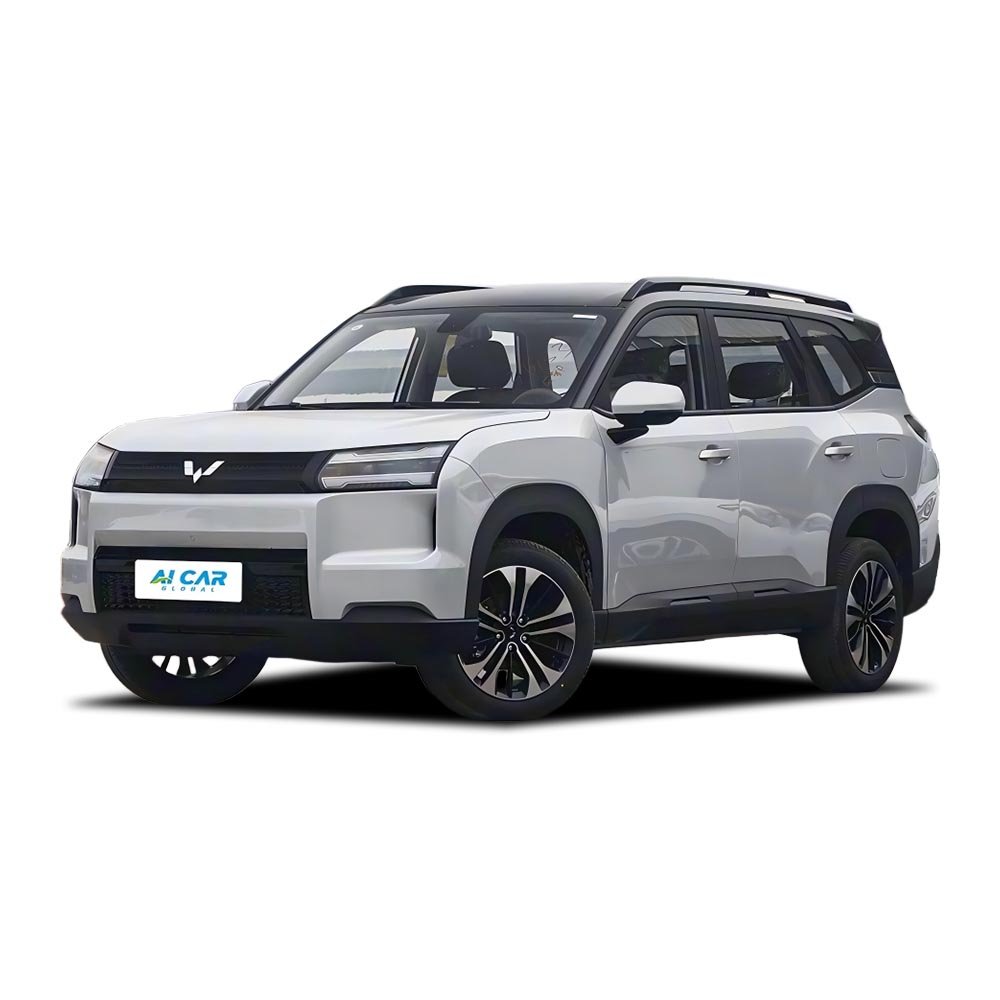
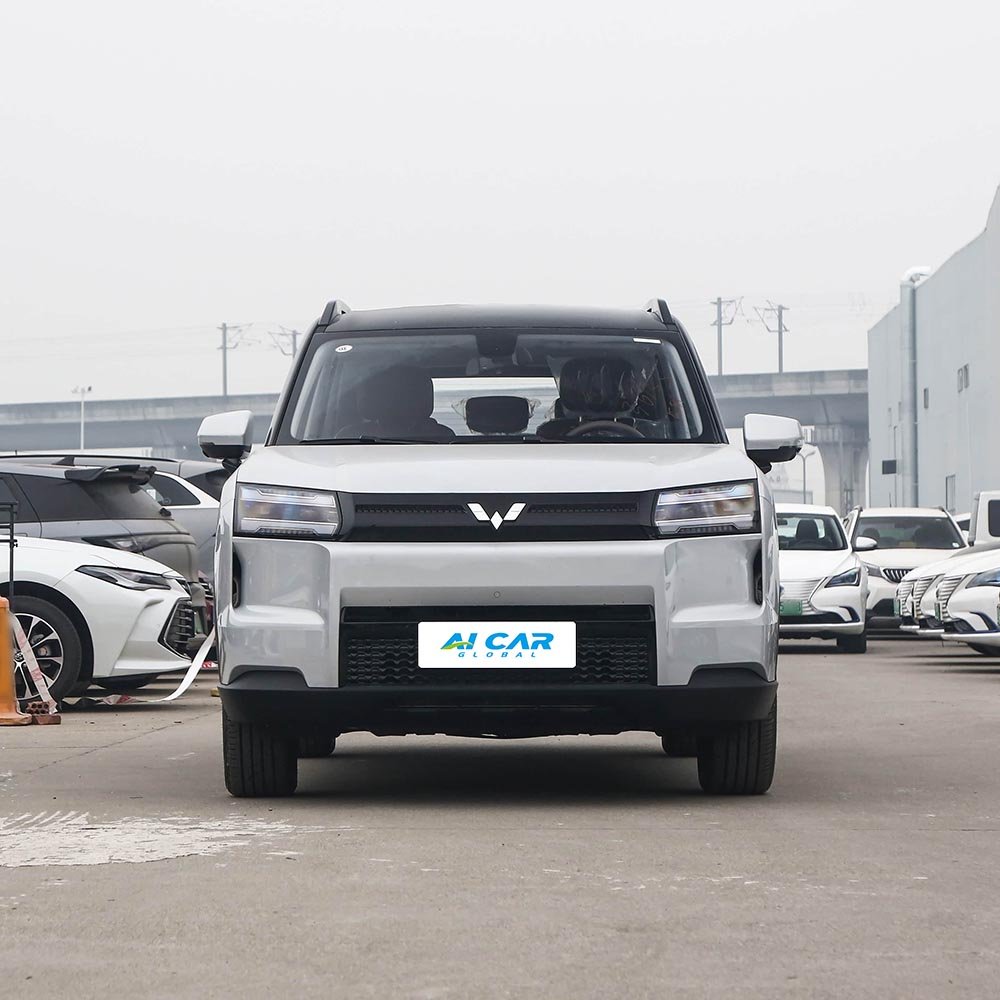
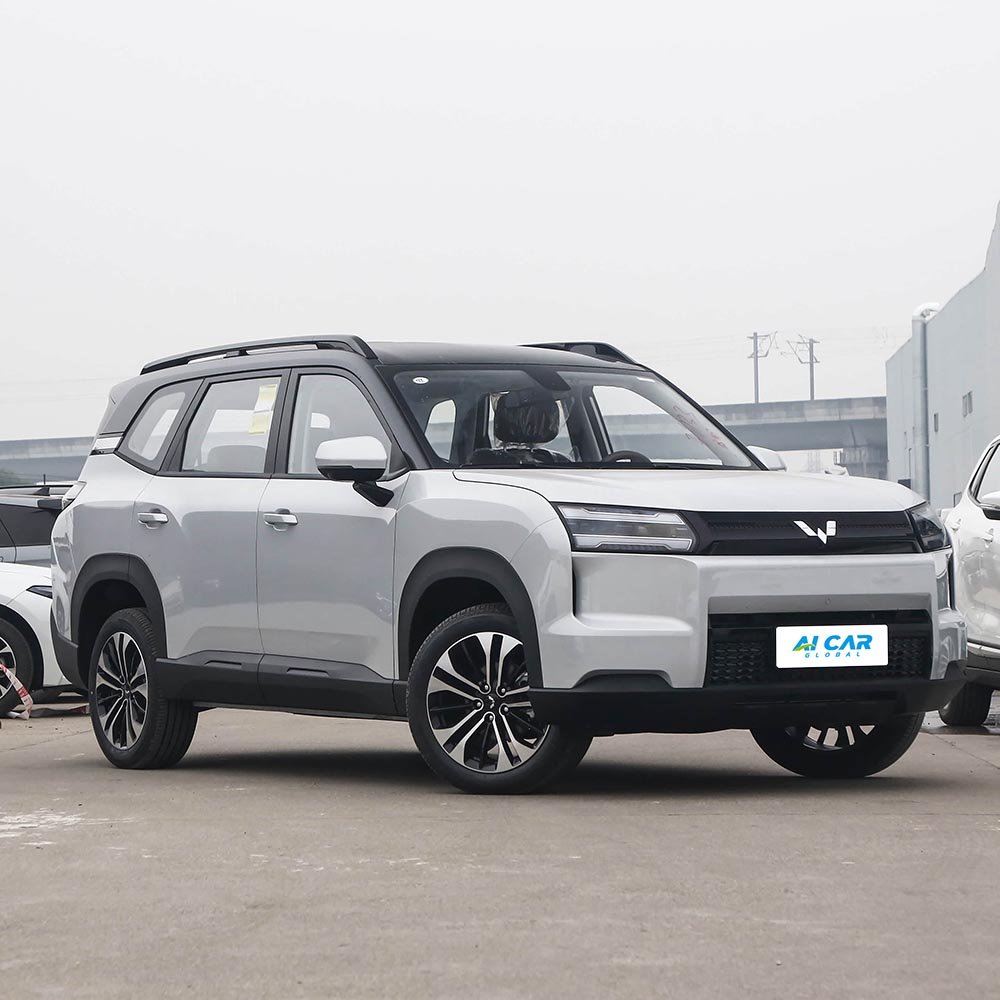
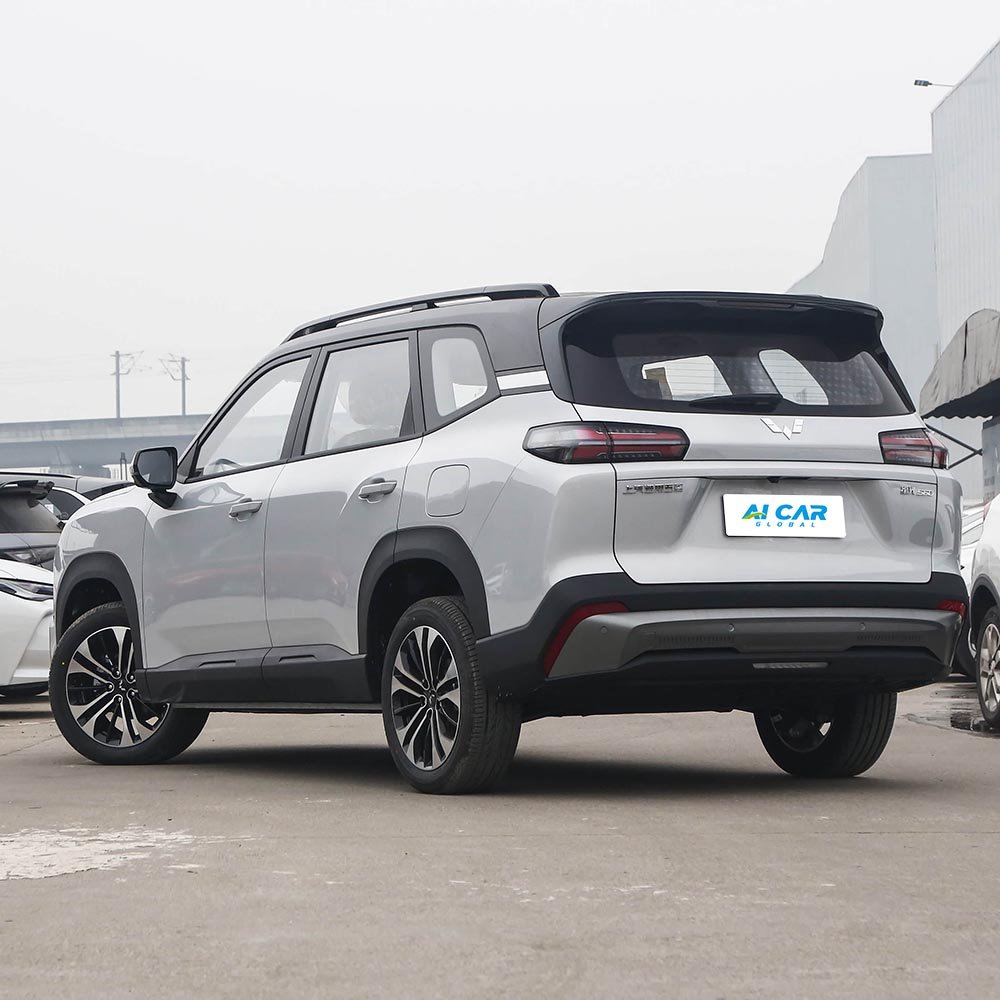
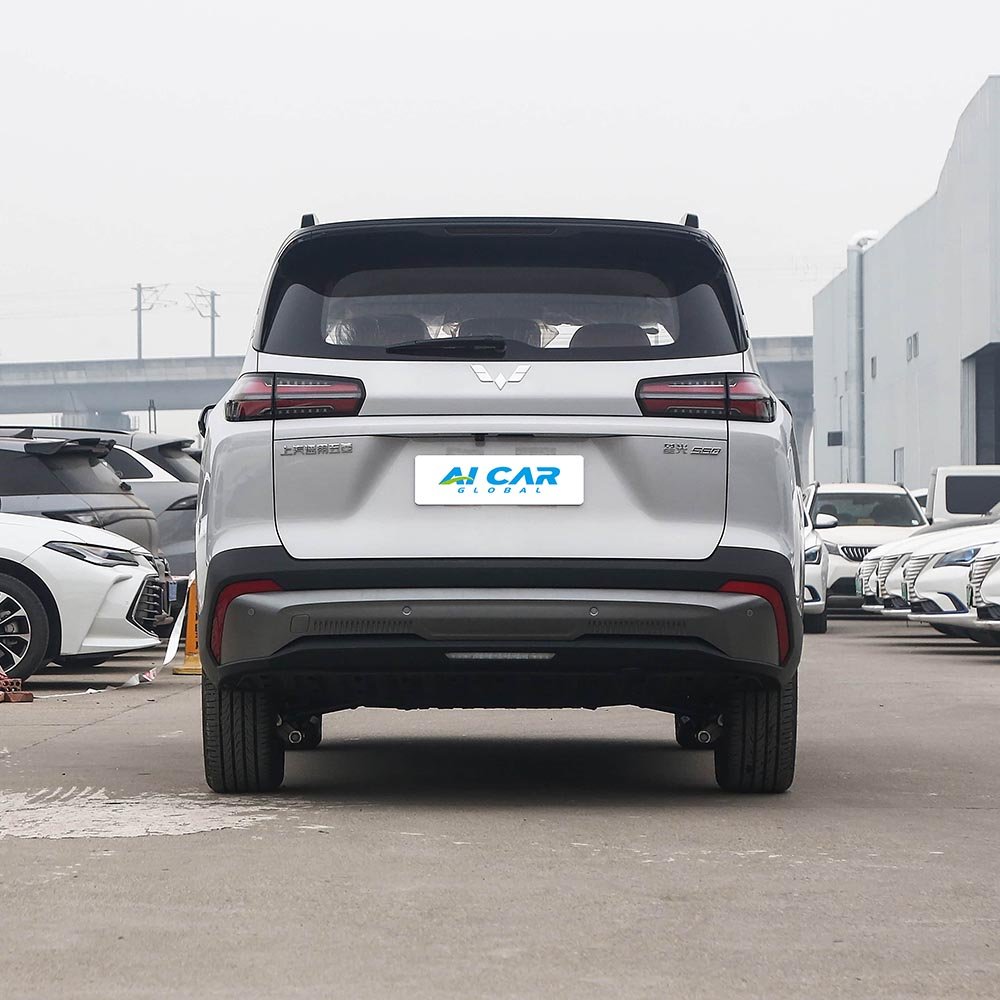
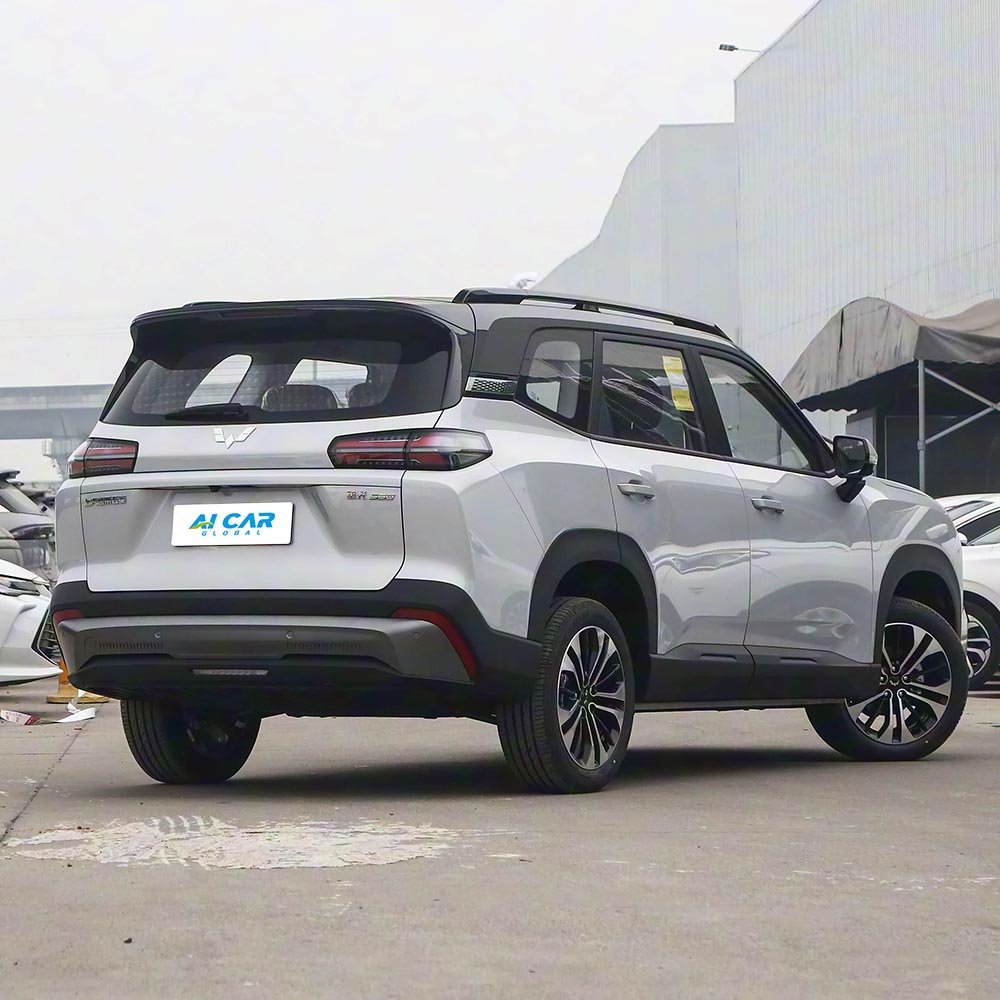
One name, three powertrains, and if you do not get that straight before you talk to buyers, the confusion will cost you orders. The Wuling Starlight 560 lands in January 2026 as a range rather than a single model. A battery-electric SUV sits alongside a 1.5T petrol version making 130 kW and a plug-in hybrid that pairs a 1.5-litre engine with a 145 kW electric motor. Same body, same badge, three very different pitches. Let a dealer advertise the range without saying which one and the complaints write themselves. I have watched that happen with other multi-powertrain families, and it is entirely avoidable.
Exterior
Kill the name confusion first, because it will follow you into every showroom conversation. The “560” is not a range figure. It is a series name, and a surprising number of buyers assume it means 560 km — then ask why the electric one quotes 500 km on CLTC. Say the real number out loud in your showroom copy, on the website and in the dealership training notes, and you will save yourself an argument a week. Small discipline. Big return.
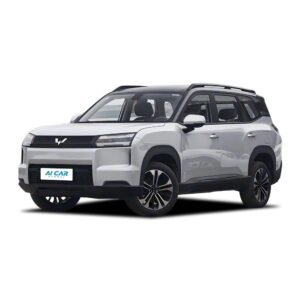
What you are actually selling is a proper SUV rather than a lifted hatchback, and the proportions back that up: 4,745 mm from nose to tail, 1,850 mm across, 1,755 mm to the roof, all sitting on a 2,810 mm wheelbase. That is a substantial footprint — a family car with real presence on the road, and the height gives it the upright stance buyers in this segment now expect. Read the wheelbase against the overall length and you will see the overhangs have been kept short, which is why it parks like something smaller than it measures.
Now the part that will decide your marketing, and I would think hard about it. Wuling’s reputation in many export markets was built on small, tough, inexpensive vehicles. This car asks the same badge to carry a mainstream family SUV with an electric drivetrain, and some markets will accept that in their stride while others simply will not. No specification sheet fixes a perception problem. Work out which market you are standing in before you order a container.
Interior
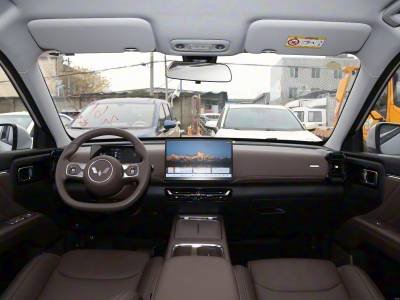
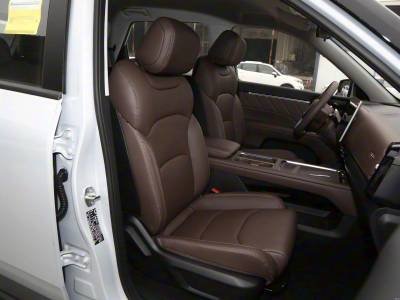
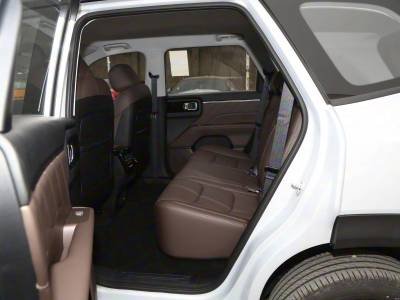
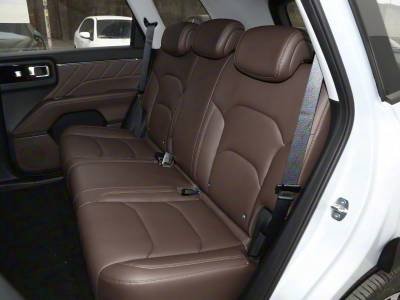
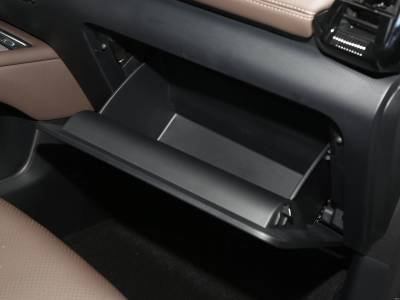
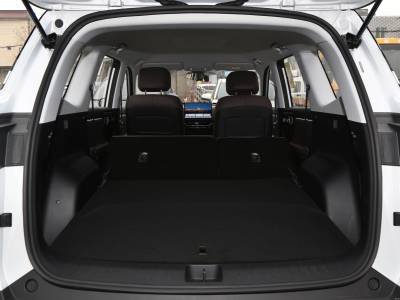
Inside, the layout is conventional and the space is the whole point of the exercise. Five seats, a flat rear floor courtesy of the electric packaging on the BEV, and a 2,810 mm wheelbase doing the work behind the back passengers. Knee room is genuinely good for the class. Three adults across the rear works for shorter journeys, two plus child seats is easy, and boot volume is about what you would expect from a 4.7-metre SUV, with the rear bench folding for bulky loads. As a family replacement car, that covers the week without a caveat.
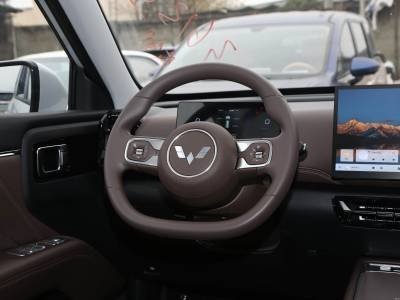
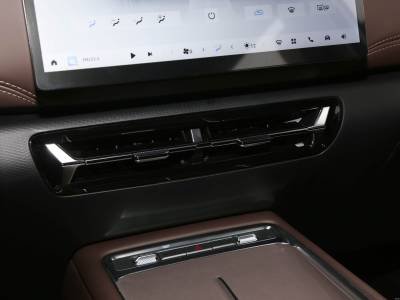
Screen layout follows what the segment has settled on: a central touchscreen for most functions, a digital cluster ahead of the driver, and a modest set of physical switches for the essentials. I’d argue the balance is about right. Not everything needs to live in a menu, and the things that do not — volume, temperature, demist — should stay where a hand finds them without looking.
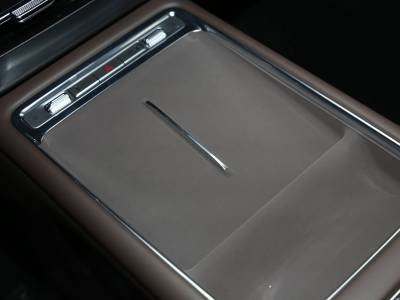
Materials are honest for the price point. Expect harder plastics lower down, decent upholstery on higher trims, and a cabin designed for durability ahead of luxury. That is the correct brief for this class and for the fleet and family buyers who will own them, but it does mean the Wuling Starlight 560 will not win a comparison against a premium compact SUV on touch and feel. No point pretending otherwise, and a test drive against one will expose it in ten minutes.
One thing to plan for before your first shipment lands. The petrol, PHEV and electric versions share a body, so body panels and workshop procedures overlap — but drivetrain training does not. Budget for separate technician training on the electric side. High-voltage systems are not something a petrol-trained tech should be handed without preparation, and that is the sort of shortcut that ends in an incident nobody wants to write up.
Powertrain and Chassis
One motor, front-wheel drive, and an output figure I want to be blunt about. Under the skin there is one motor, driving the front wheels, putting out 100 kW — 136 PS — through a single-speed reduction, with a battery claimed at 500 km on the CLTC cycle. For a 4.7-metre SUV, that is a modest figure. If your market expects a punchy electric family car, set that expectation before the test drive rather than after it, because around town it feels perfectly adequate — instant low-speed torque covers a lot of ground — while loaded with five people and luggage on a motorway incline it will feel like exactly what it is: an efficient family vehicle rather than a quick one. For urban and suburban duty that is a fair trade, since efficiency is where this car earns its keep.
That 500 km figure, meanwhile, comes from CLTC, which runs more optimistic than WLTP. Quote conservative real-world numbers to your customers. Private buyers charging at home overnight will find the range comfortable. High-mileage commercial operators should run their own duty-cycle arithmetic before they commit, because their numbers will not match a brochure.
Underneath, you get MacPherson struts at the front and a torsion beam at the back, driving the front wheels. Nothing exotic, and that is deliberate. The ride is acceptable rather than special, but the layout is cheap to fix and every workshop you are likely to use has seen it a thousand times. In a market where the quality of service varies sharply from one city to the next, that familiarity is worth considerably more than a clever multi-link rear nobody within three hundred kilometres knows how to repair.
If range anxiety is the obstacle in your market, the range offers two other answers. The PHEV covers 125 km on electric power alone and then keeps going on petrol, so no charging network is required at all. And where there is no appetite for charging infrastructure whatsoever, the 1.5T petrol at 130 kW is the pragmatic entry point. One body, three routes to market — and that flexibility is the strongest commercial argument this car has.
FAQ
Is the Wuling Starlight 560 EV a sedan or an SUV? An SUV. Say it plainly, because the name invites exactly the wrong guess and the guess costs you credibility at the point of sale. Five seats, and the body runs 4,745 mm from nose to tail, 1,850 mm across and 1,755 mm tall, riding on a 2,810 mm wheelbase. If anything in your showroom material calls it a sedan, fix it before a customer does it for you.
Does the 560 in the name refer to 560 km of range? It does not, and this trips up more buyers than anything else about the car. The number belongs to the series name. The electric version actually quotes 500 km on the CLTC cycle, while the plug-in hybrid manages 125 km on battery alone before the engine steps in. Put that clarification in your advertising. Customers arrive assuming 560 km of range because the badge told them so.
Which version of the range should I import first? Follow your market rather than your own taste. Thin charging infrastructure or wary buyers — start with the PHEV, where 125 km of electric range covers most daily driving and there is no range limit on longer trips. Reliable charging plus a cost-sensitive fleet buyer, and the electric version with its 500 km CLTC range is the cleaner proposition, provided the 100 kW output suits expectations. Many importers test both with a narrow first order.
What documents do I need to import the Wuling Starlight 560? Give us your destination country and we will send back a precise list rather than a generic one, because this is one thing worth getting exactly right. From our side you get the invoice, the packing list, the bill of lading, the origin certificate and whatever conformity or homologation file your authority wants to see. Two elements are less standard with this car. A high-voltage pack travelling internationally carries its own transport and safety rules, and the PHEV version adds fuel-system requirements on top. Whether you are bringing in a demonstrator or a full allocation also changes the shape of the file. Worth saying plainly: the importer, not the exporter, owns the compliance decision.
How do you supply the Wuling Starlight 560 EV and how do we begin? We are a Chinese export company. You buy from us directly, with nobody taking a slice in the middle. Container or RoRo both work, and the deciding factor is normally your volume and how far your port sits from the factory. We book the factory allocation, inspect before shipment, handle the export documents and the loading, and update you while the cars are being built and again once they are moving. To open the conversation, tell us your country, which powertrain you are leaning towards and the volume you could take in year one. Availability, a lead time and a formal quote come back from us.
| 2026 Wuling Xingguang 560 Pure Electric 500km Luxury Edition | |
|---|---|
| Basic Information | |
| Limited-time offer | 95,800 |
| Launch date | 2026.01 |
| Body level | compact SUV |
| Length * Width * Height (mm) | 4745*1850*1755 |
| Energy type | pure electric |
| CLTC pure electric range (km) | 500 |
| Total power of electric motors (kW) | 100 |
| Total torque of the electric motor (N·m) | 200 |
| Maximum speed (km/h) | 160 |
| Battery Type | Lithium iron phosphate batteries |
| Fast charging time (h) | 0.33 |
| Fast charging capacity (%) | 30-80 |
| Warranty Policy | Six years or 150,000 kilometers |
| Body | |
| Length (mm) | 4745 |
| Width (mm) | 1850 |
| Height(mm) | 1755 |
| Wheelbase (mm) | 2810 |
| Front track width (mm) | 1570 |
| Rear track width (mm) | 1570 |
| Curb weight (kg) | 1655 |
| Maximum load capacity (kg) | 2090 |
| Number of car doors | 5 |
| Number of seats | 5 |
| Approach angle (°) | 17 |
| Departure angle (°) | twenty two |
| Minimum ground clearance when fully loaded (mm) | 160 |
| electric motor | |
| Total power of electric motors (kW) | 100 |
| Total torque of the electric motor (N·m) | 200 |
| Maximum power of the front motor (kW) | 100 |
| Maximum torque of the front motor (N·m) | 200 |
| CLTC pure electric range (km) | 500 |
| Energy consumption per 100 kilometers (kWh/100km) | 13.1 |
| Electricity-equivalent fuel consumption (L/100km) | 1.52 |
| Slow charging time (h) | 9.2 |
| Fast charging time (h) | 0.33 |
| Motor structure | Permanent magnet |
| Motor working principle | synchronous |
| Number of drive motors | single motor |
| Motor layout | Front |
| Battery Type | Lithium iron phosphate batteries |
| Battery cell brands | Jiangsu Zhengli |
| Battery cooling method | Liquid cooling |
| Fast charging function | support |
| Fast charging capacity (%) | 30-80 |
| Battery pack warranty | Eight years or 150,000 kilometers |
| Battery preheating | ● |
| External discharge | ● |
| Chassis/Steering | |
| Drive form | front-wheel drive |
| Front suspension type | MacPherson independent suspension |
| Rear suspension type | Multi-link independent suspension |
| Steering power type | Electric Assist |
| Wheels/Brakes | |
| Front/Rear Brake Type | Ventilation disc type / disc type |
| Parking brake type | Electronic parking brake |
| Front tire specifications | 215/55 R18 |
| Rear tire specifications | 215/55 R18 |
| Spare tire specifications | Tire repair tools |
| Active/passive safety configuration | |
| ABS anti-lock braking system | ● |
| Vehicle stability control (ESC/ESP/DSC, etc.) | ● |
| Front airbags | ●Driver's seat airbag |
| ●Passenger's airbag | |
| ●Side airbags | |
| Tire pressure monitoring device | ●Alarm |
| Seatbelt reminder | ●Front row |
| ISOFIX child seat | ● |
| Assist/Control Configuration | |
| Parking radar | ●After |
| Driving assistance imaging | ● Reversing camera |
| Cruise system | ● Cruise Control |
| Driving mode switching | ● Sporty |
| ● Economical | |
| ● Standard/Comfort | |
| ● Custom/Personalized | |
| Hill Start Assist | ● |
| Automatic parking | ● |
| External/Anti-theft Configuration | |
| Roof rack | ● |
| Key type | ●Remote key |
| Keyless entry | ● |
| Keyless start system | ● |
| Central locking | ● |
| Internal configuration | |
| Steering wheel material | ●Plastics |
| Steering wheel adjustment | ● Manually |
| adjustable up and down | |
| Gear shifting | ●Electronic column shifter |
| LCD instrument size | 3.5 inches |
| Seats | |
| Seat material | ● Faux leather |
| Electric seat adjustment | ●Driver's seat |
| Driver's seat adjustment method | ● Fore-and-aft adjustment |
| ● Backrest adjustment | |
| ● Height adjustment (2-way) | |
| Passenger seat adjustment method | ●Fore-and-aft adjustment |
| ●Backrest adjustment | |
| Second row seat adjustment | ●Backrest adjustment |
| multimedia | |
| Central control color screen | ● Touchscreen LCD |
| Mobile APP remote function | ● Door control |
| ● Charging management | |
| ● Air conditioning control | |
| ● Vehicle status inquiry/diagnosis | |
| ● Vehicle location/find vehicle | |
| ● Owner services (find charging stations, gas stations, parking lots, etc.) | |
| Bluetooth/Car Phone | ● |
| Mobile phone interconnection/mapping | ●Supports HUAWEI HiCar |
| ●Supports Carlink | |
| Number of speakers | 6 |
| Central control screen size | ●12.8 inches |
| OTA upgrade | ● |
| Interface support | ●USB interface |
| ●Type-C interface | |
| Number of USB/Type-C ports | ● 3 seats in the front row / 1 seat in the back row |
| light | |
| low beam headlights | ●LED |
| High beams | ●LED |
| Headlights are adjustable | ● |
| Automatic headlights | ● |
| Headlights delayed shut-off | ● |
| Steering assist lighting | ● |
| Glass/Rearview Mirror | |
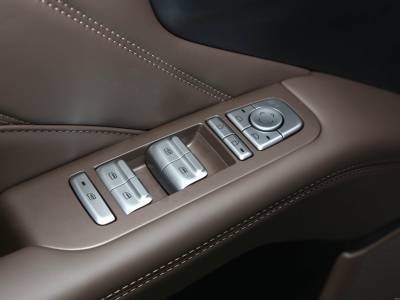
| Electric windows | ●Before |
| ●After | |
| One-touch window operation | ●Driver's seat |
| Anti-pinch function for car windows | ● |
| exterior rearview mirror | ●Electrically adjustable |
| ●Heating | |
| Interior rearview mirror | ● Manual anti-glare |
| Rain-sensing wipers | ● |
| Rear wiper | ● |
| Air conditioner/refrigerator | |
| Air conditioning control methods | ●Manual control |
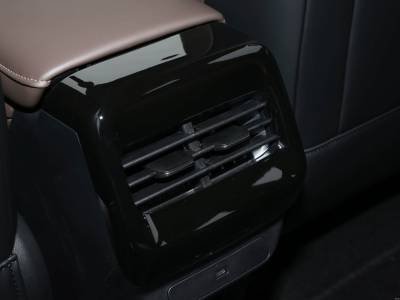
| Rear air vent | ● |
Fill out the form to receive a business quote
Ask your question now and receive an answer within one business day.




Reviews
There are no reviews yet.