


Exterior
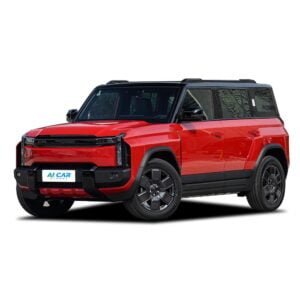
The iCAR V23 measures 4,220 mm long, 1,915 mm wide and 1,845 mm tall on a 2,735 mm wheelbase. It is a tall, short compact SUV, and that shape shapes how the car sells in a city showroom: easy to manoeuvre, easy to see out of, and quick to seat five people. For an importer, the 1,915 mm width is the figure that clears a compound gate or a tight dealership ramp, not the overall length. The 2,735 mm wheelbase is what pays for rear-seat space, so a buyer measuring legroom should quote that number rather than the body length.
Tyres are the first running cost a workshop will quote on the iCAR V23. The two rear-drive trims use 255/55 R19 all round, while the four-wheel-drive trim steps up to 265/45 R21, so a dealer stocks two sizes if both are ordered. Unladen ground clearance is 200 mm on the first two trims and 210 mm on the top one, with approach angles of 39 or 41 degrees and a 35-degree departure angle. Those figures suit broken ground, but a low-profile 21-inch tyre is a part a rural customer waits for. Buyers still weighing the body can browse the iCAR model range.
Interior
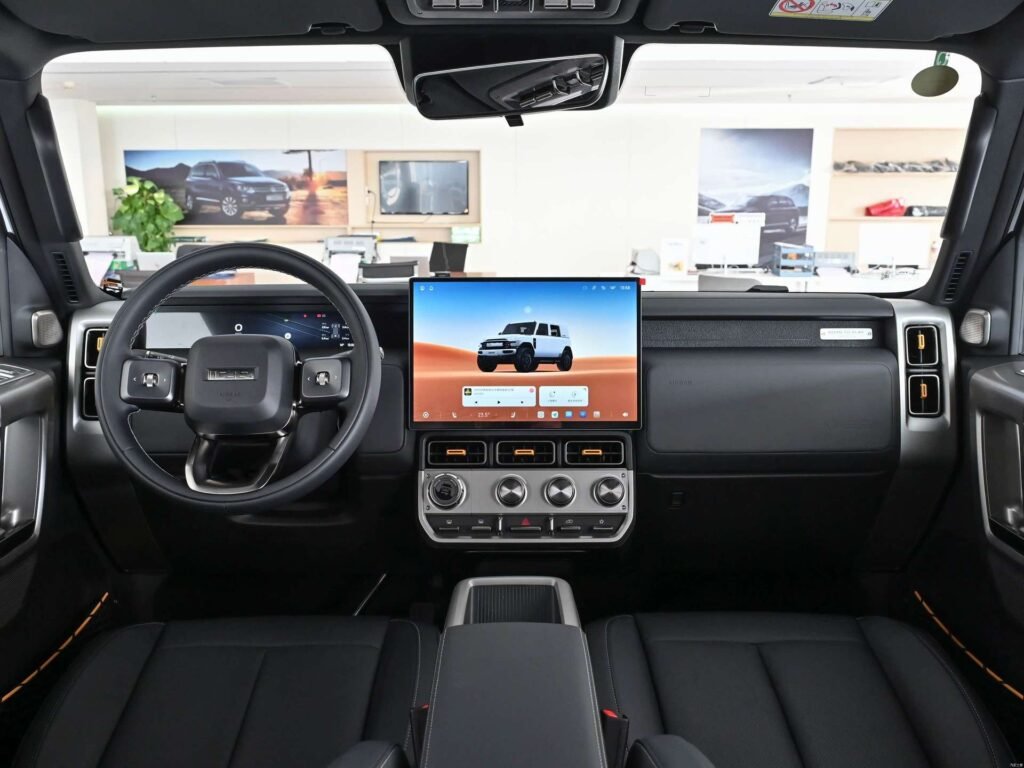
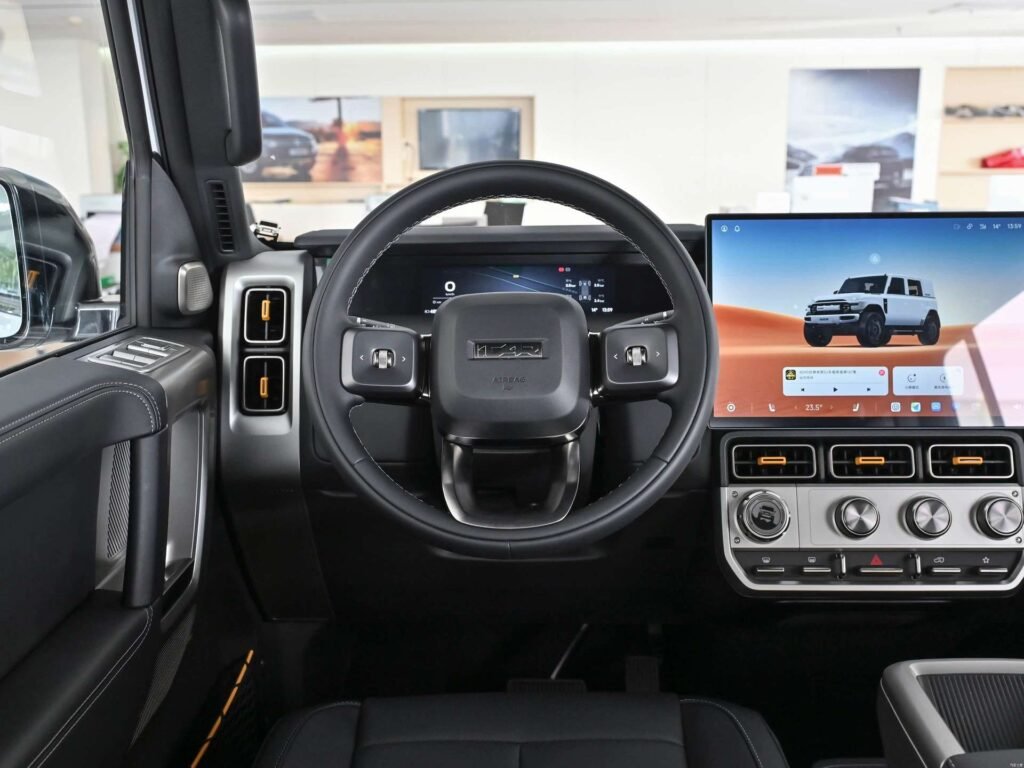
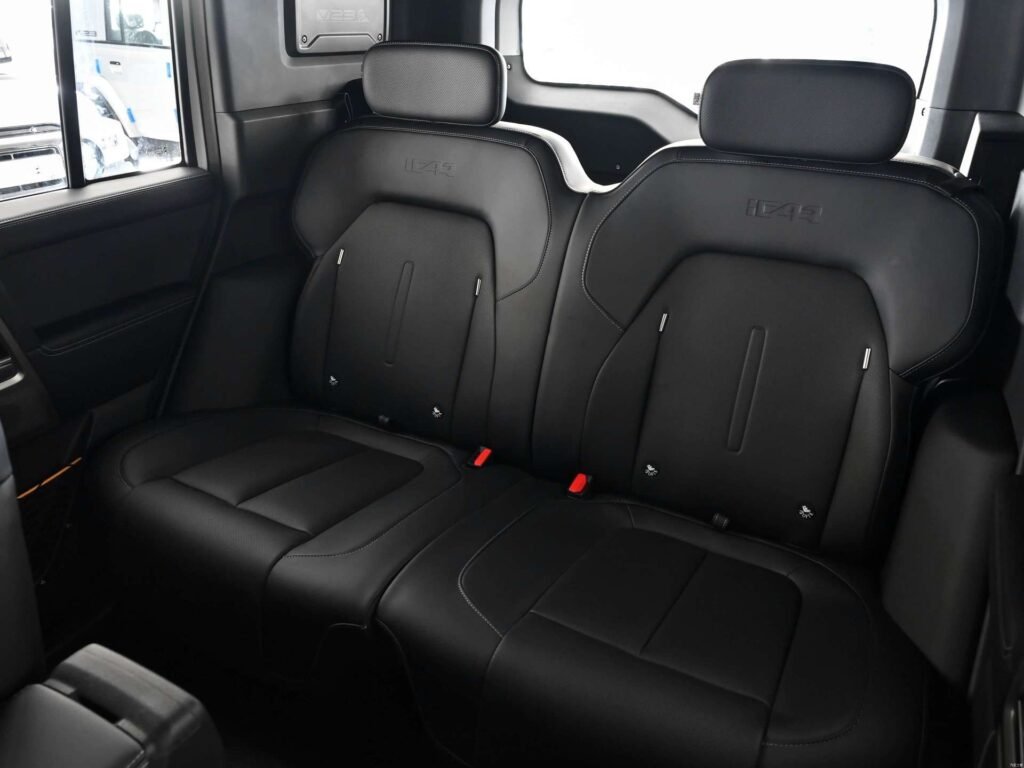
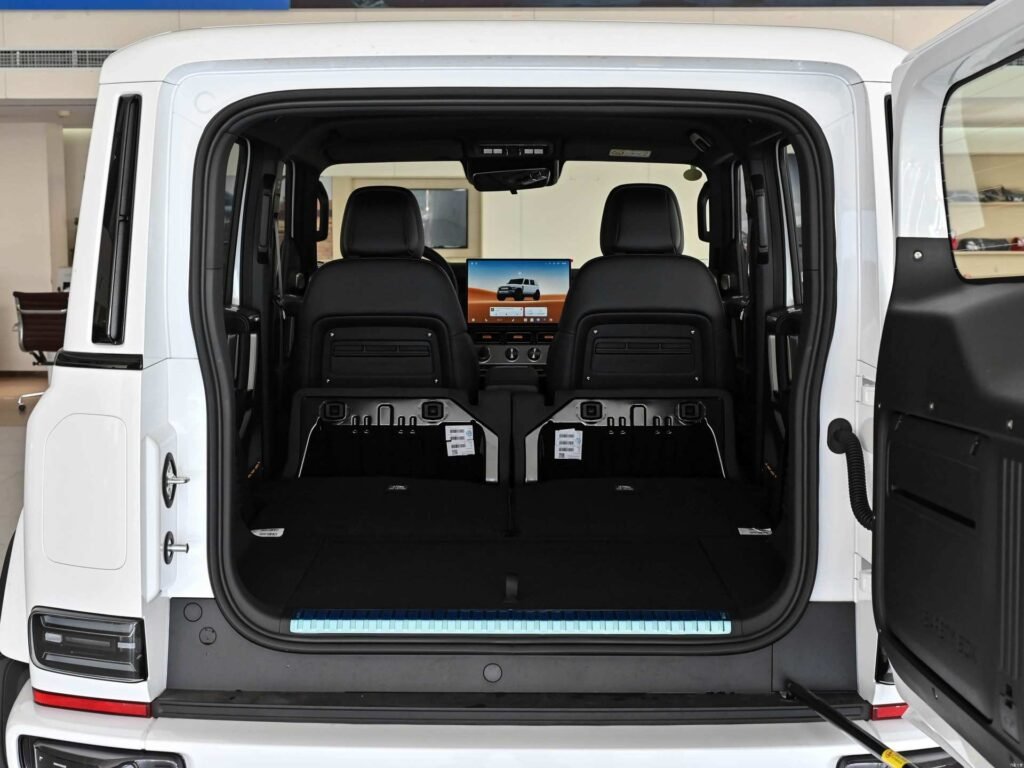
Inside, the iCAR V23 seats five on that 2,735 mm wheelbase, and the upright roof keeps headroom in the second row that a sloping cabin would take away. All three trims share the same hardware: a 15.4-inch touchscreen at 2.5K resolution, a Snapdragon 8155 chip, seven speakers, CarPlay, Wi-Fi, over-the-air updates and a 60W Type-C port. Luggage space runs from 234 litres with the seats up to 744 litres with them folded. An importer can describe one cabin to every customer, which keeps the sales script short and the training cost low.
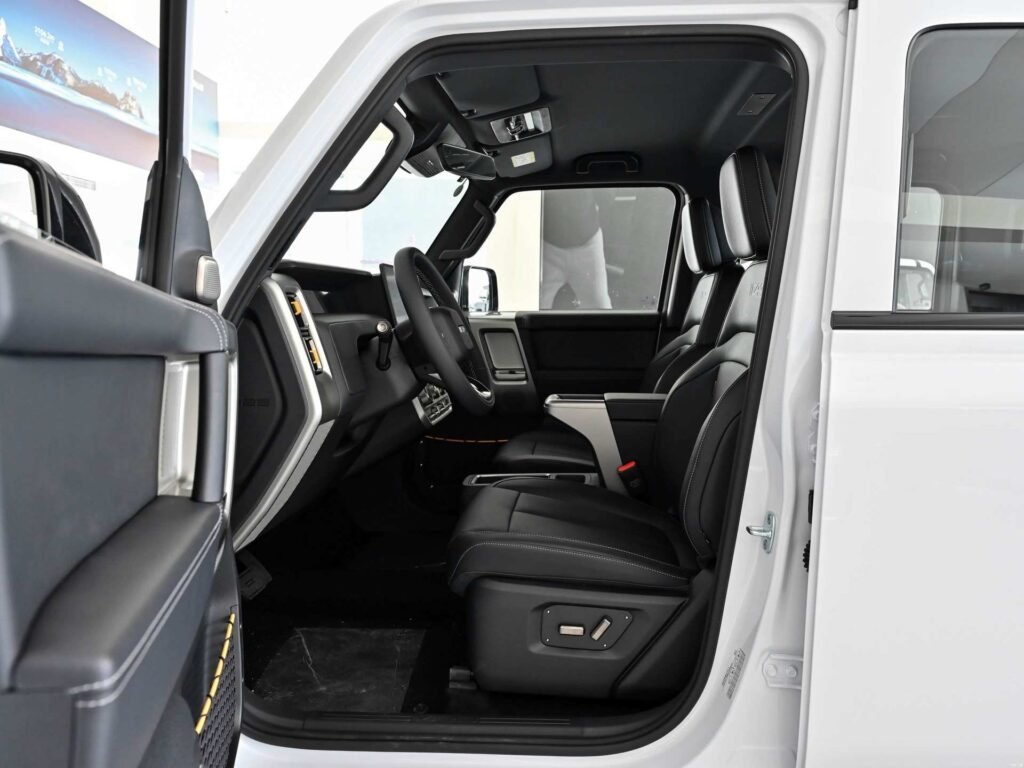
Comfort is where the iCAR V23 trims part company, and the differences are easier to list than to see in a photograph. The entry trim uses fabric seats with no heating. The two Advanced trims switch to imitation leather, add heating and electric adjustment for the front seats, and list a heat pump and a PM2.5 filter. Driver assistance also changes: adaptive cruise, lane keeping and a 360-degree camera are listed as optional on the upper trims, not fitted as standard. A buyer comparing two quotations should confirm which of these items is actually in the build before the order is signed.
How it drives
All three iCAR V23 trims use a 100 kW rear motor producing 180 N·m. The 301 km and 401 km versions keep that single motor and drive the rear wheels. The 501 km version adds a 55 kW front motor, lifting the total to 155 kW and 292 N·m, and sends power to all four wheels. Top speed is 140 km/h. The published table gives no 0–100 km/h time and no charging power in kW, so any figure beyond these numbers would be a guess. A fleet buyer should quote the motor layout, not an assumed acceleration figure.
Charging is the clearest limit for the iCAR V23. Every trim is listed at 0.5 hours from 30% to 80% on a fast charger, but the table gives only the time and the state-of-charge window, not the charging power. AC charging is 10.5 hours on the 401 km trim and 14 hours on the 501 km trim, with no slow-charge figure published for the 301 km version. Energy consumption is 16.4 kWh/100 km on the 301 km trim, 16.8 on the 401 km trim and 17.3 on the 501 km trim. A dealer should pass these numbers on exactly as printed.
Weight is the other constraint on the iCAR V23. The three trims weigh 1,630, 1,710 and 1,825 kg, and the top version carries the most mass and power. All range figures are CLTC ratings, a Chinese cycle that does not compare directly with WLTP or EPA, so a buyer in another market should expect a different real-world number. Choose the 301 km trim for a short urban route, the 401 km trim for the middle of the range, and the 501 km trim when four-wheel drive matters most.
Interior & details
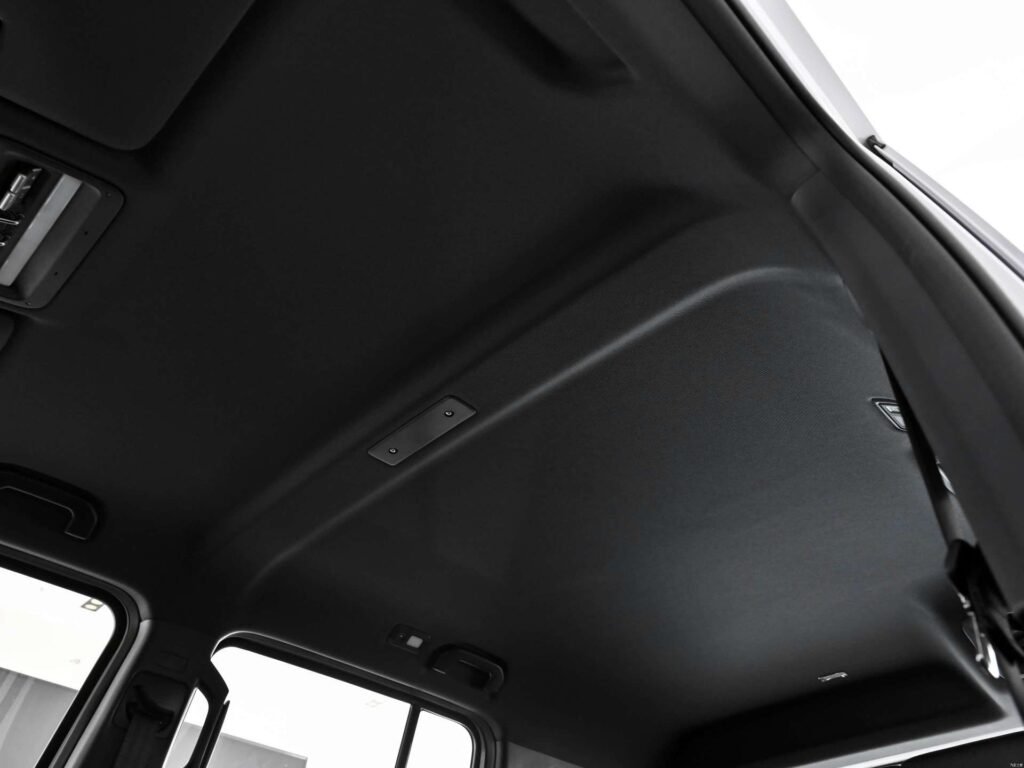
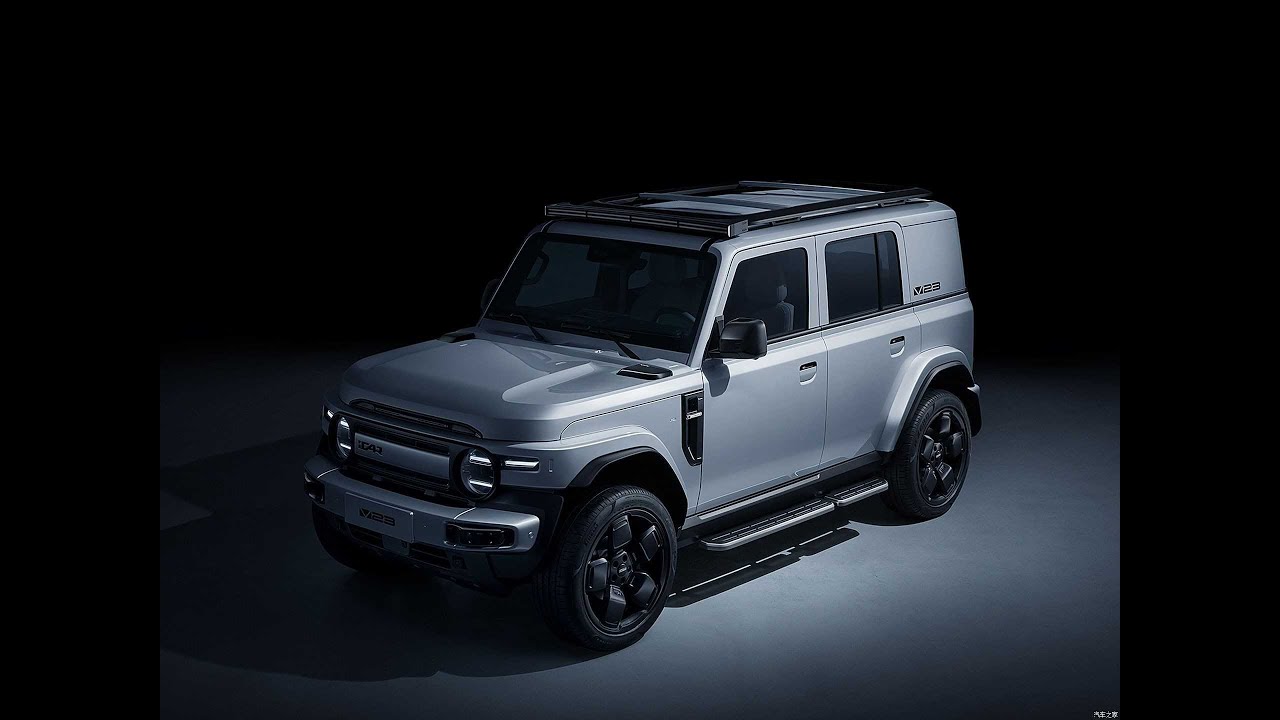
Interior and close-up detail from the iCAR V23 current production car.
Video
Before you ask us for a quote, watch the video for a closer look at the details.
FAQ
What kind of car is the iCAR V23?
The iCAR V23 is a compact, five-seat all-electric SUV, not a hybrid or a range extender. Three trims share a 4,220 mm body and a 2,735 mm wheelbase. Total motor output is 100 kW on the two rear-drive versions and 155 kW on the four-wheel-drive version. Check the energy type on the quotation, because an all-electric car follows a different import route from a plug-in model.
What is the CLTC range of the iCAR V23?
CLTC range on the iCAR V23 is 301 km on the 301 2WD Youth Edition, 401 km on the 401 2WD Advanced and 501 km on the 501 4WD Advanced. Those ratings rise with battery capacity, from 47.28 kWh to 59.93 kWh and then 81.76 kWh. CLTC is a Chinese cycle and does not compare directly with WLTP or EPA. Quote the standard with the figure.
How long does the iCAR V23 take to charge?
Every iCAR V23 trim charges from 30% to 80% in 0.5 hours on DC. AC charging takes 10.5 hours on the 401 2WD Advanced and 14 hours on the 501 4WD Advanced; none is published for the 301 2WD Youth Edition. No charging power in kW is published, so we quote none. Luggage space is 234 litres upright and 744 litres folded.
Can the iCAR V23 be exported to my country?
Approval depends on the destination, not on the car. Some markets register the iCAR V23 under existing all-electric rules, while others ask for model-specific certification before a car can be plated. We confirm which route applies before you commit and list the documents the port will request. The file then moves through each step with the importer, so a document missing at loading is caught before the vessel sails.
Can the iCAR V23 be exported as a new car?
No. The iCAR V23 is not authorized for new-car export at present. Authorization is granted per model and per model year, so it cannot be carried over from another year. We re-check the list before each order and confirm the position in writing. Send the model year, destination and volume, and we will state what the current rules allow before you commit to a tender.

Reviews
There are no reviews yet.