


Exterior
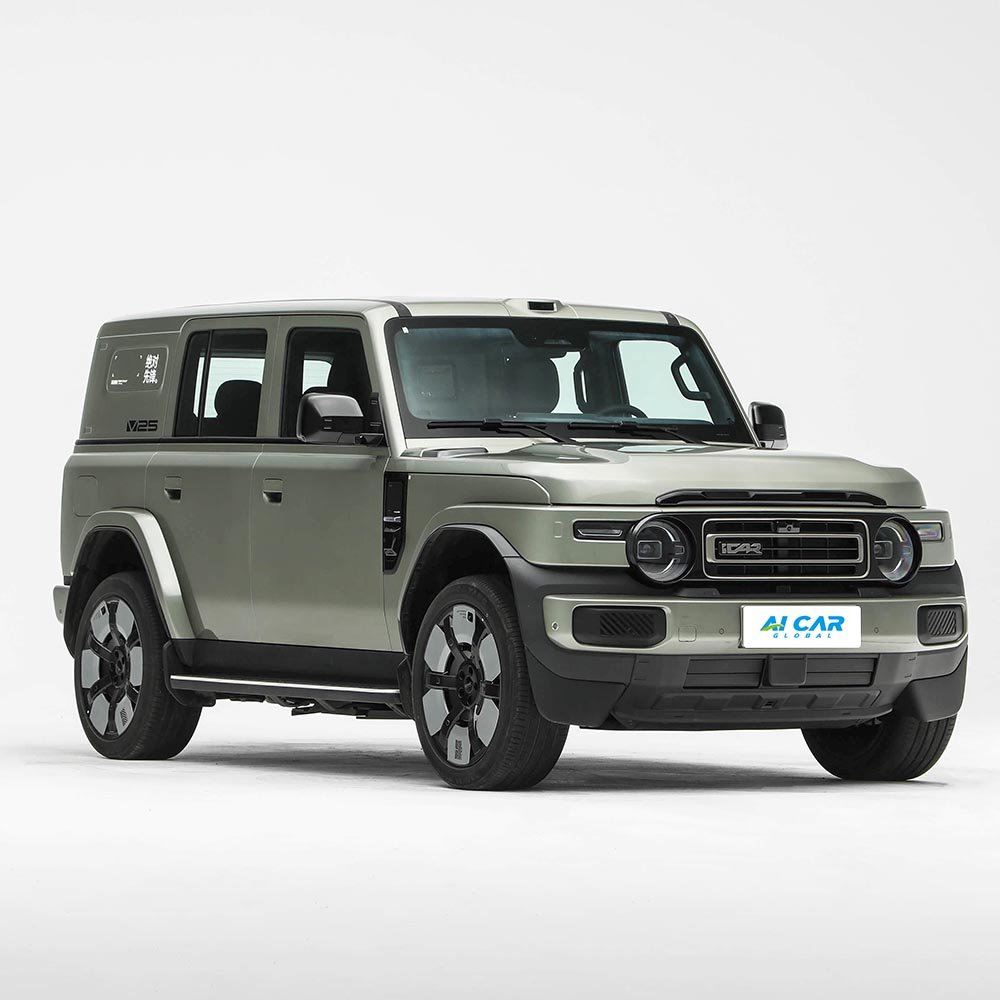
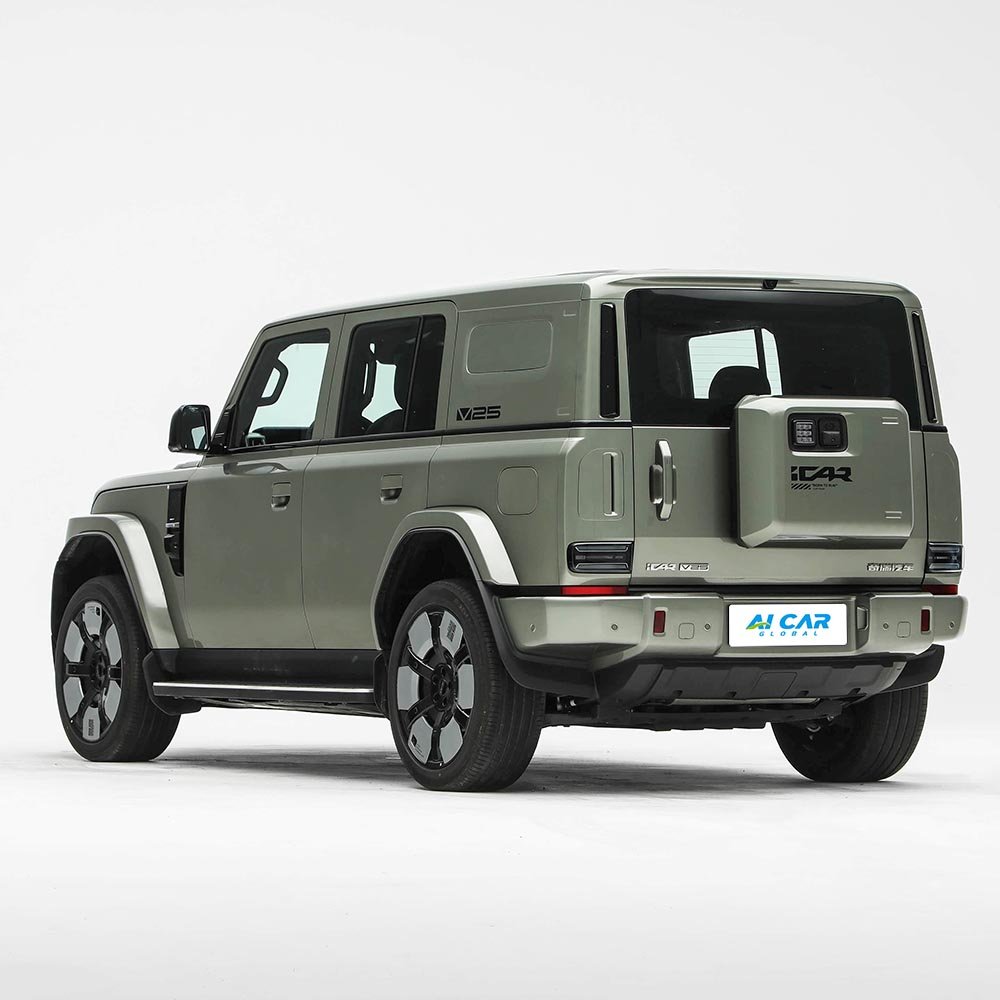
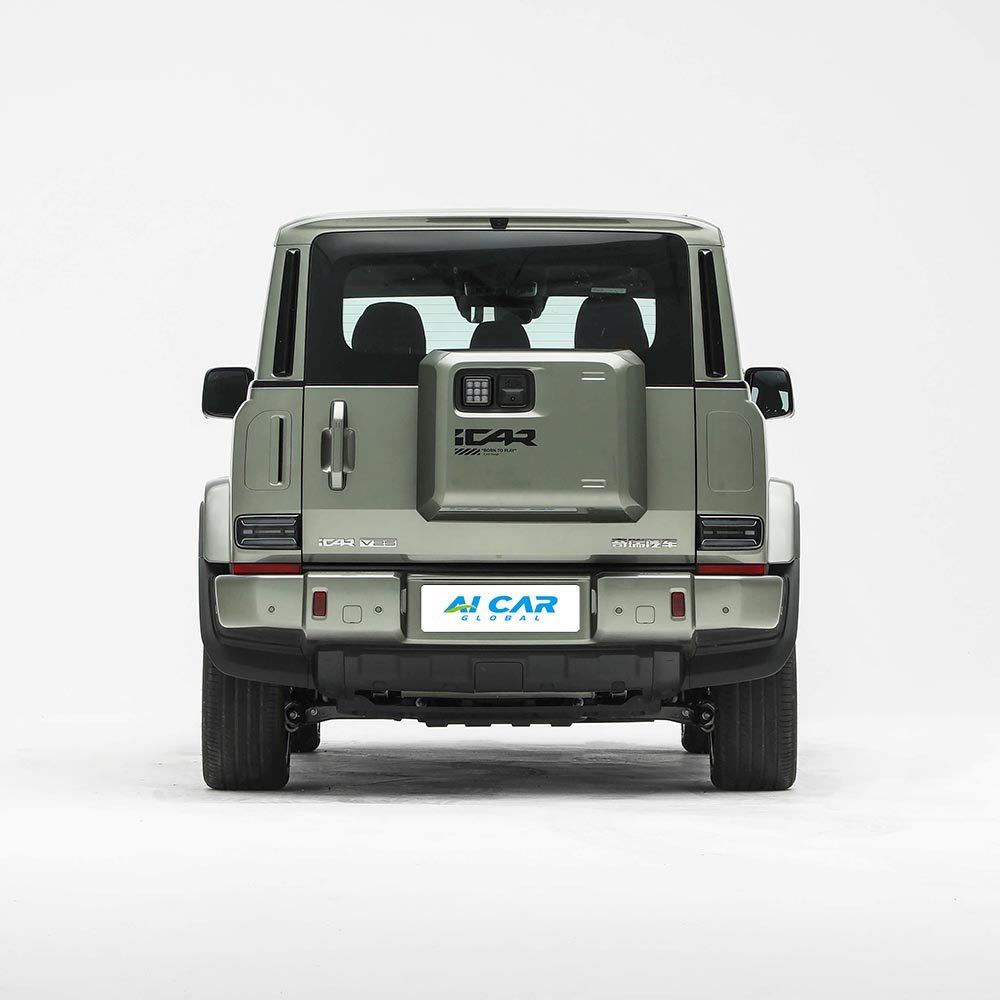
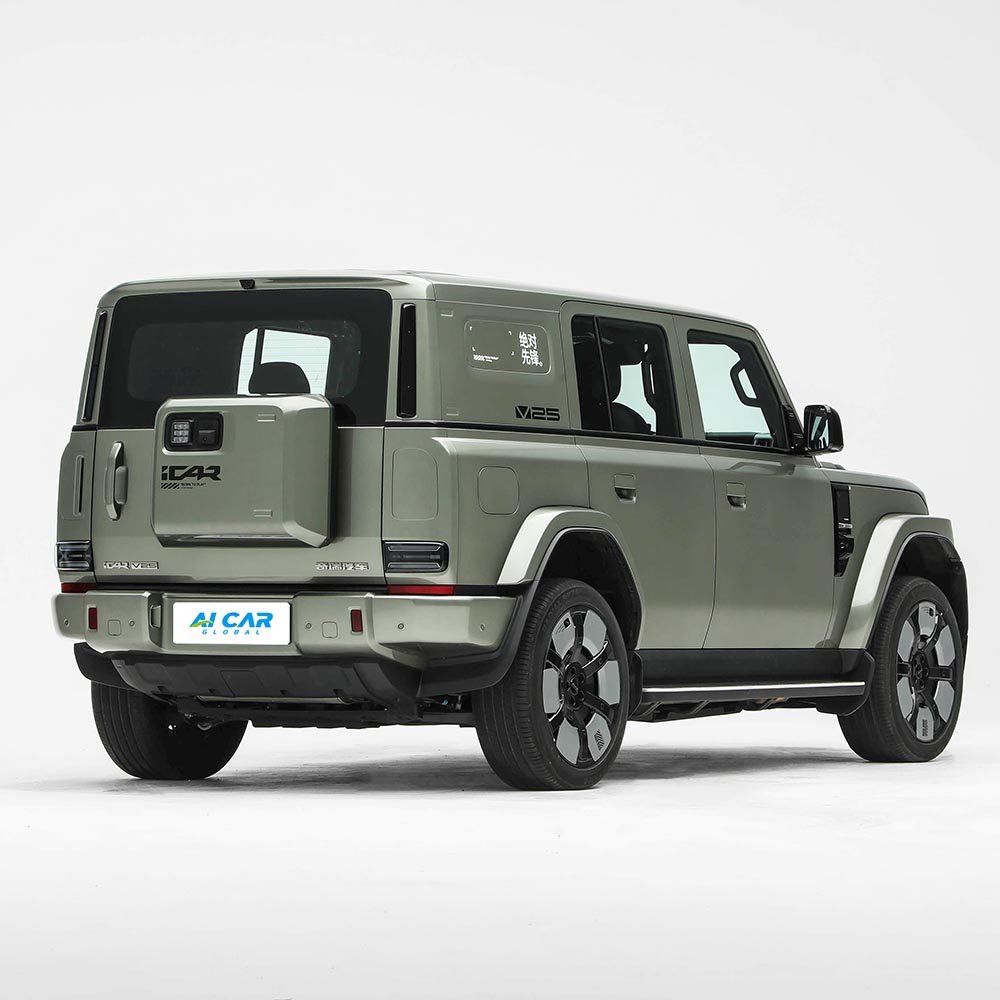
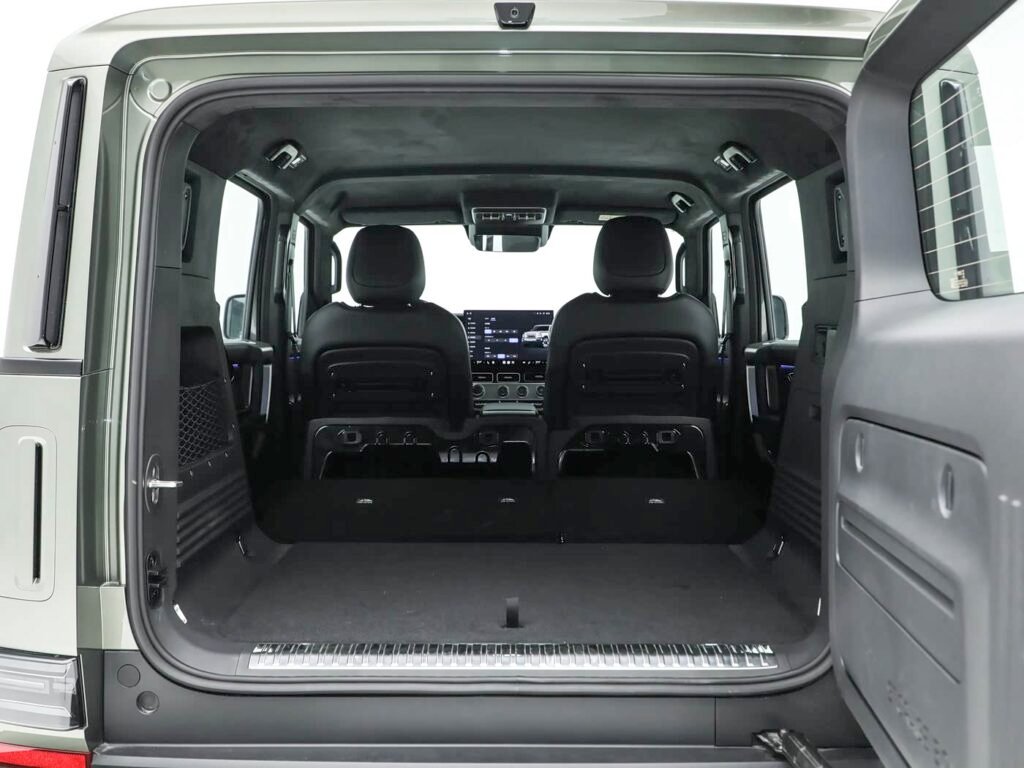
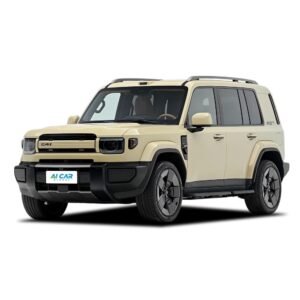
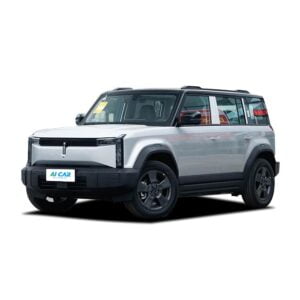
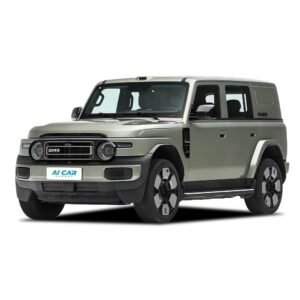
At 4,636 mm long, 1,920 mm wide and 1,855 mm tall on a 2,820 mm wheelbase, the V25 is a compact SUV with an upright stance. Height is the number a dealer quotes first: at 1,855 mm it feels substantial in traffic, and buyers who park under a low barrier need to check the clearance. Curb weight runs from 2,117 kg to 2,221 kg with the extra front motor. The 378 litre boot is shared. Approach and departure angles of 28 and 24 degrees are quoted for every car, which matters more on an unpaved delivery route than the body length does.
The four V25 configurations divide evenly by drivetrain. The rear-wheel-drive pair uses one 185 kW motor and quotes 300 N·m and an 8.5-second run to 100 km/h. The four-wheel-drive pair adds a front motor, quotes 335 kW and 505 N·m, and reaches 100 km/h in 5.8 seconds. All four use the same 115 kW engine and the same 15.4-inch screen. A sales team that describes the line as one car will miss that difference. For a fleet order, the split also changes the stock card. Rear-drive cars suit a buyer focused on electric range, while four-wheel-drive cars suit one who expects rough access roads. A mixed shipment without that note is hard to invoice correctly, and the buyer will notice the missing motor. Buyers often start from the iCAR model range before they narrow to this model.
Interior
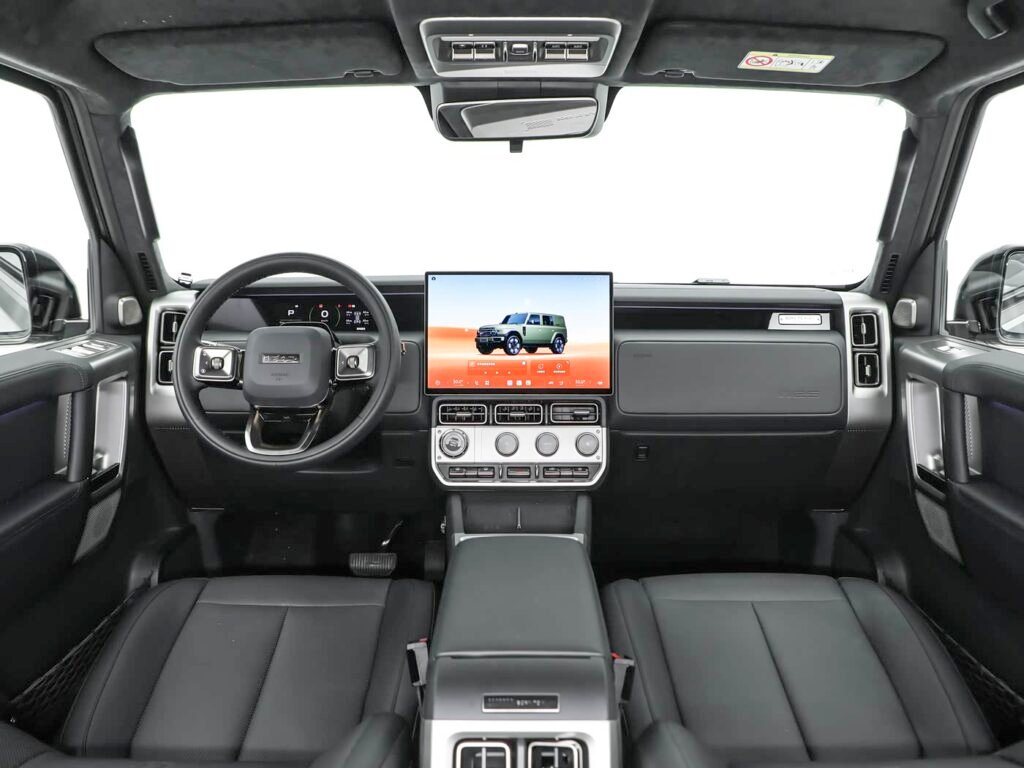
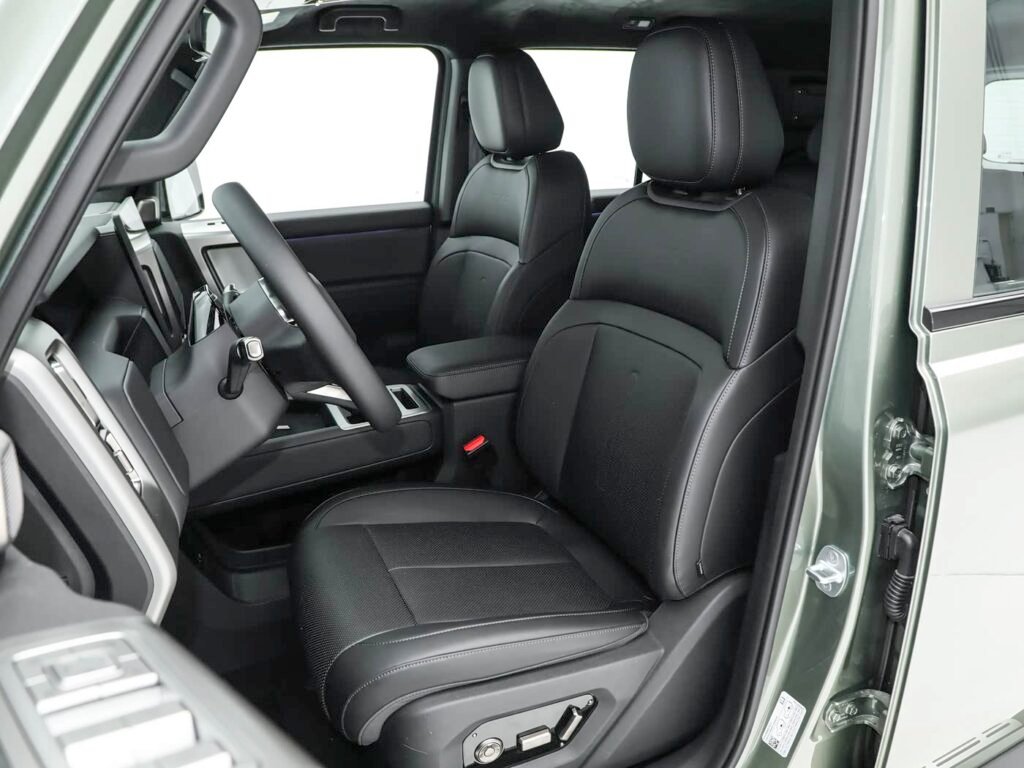
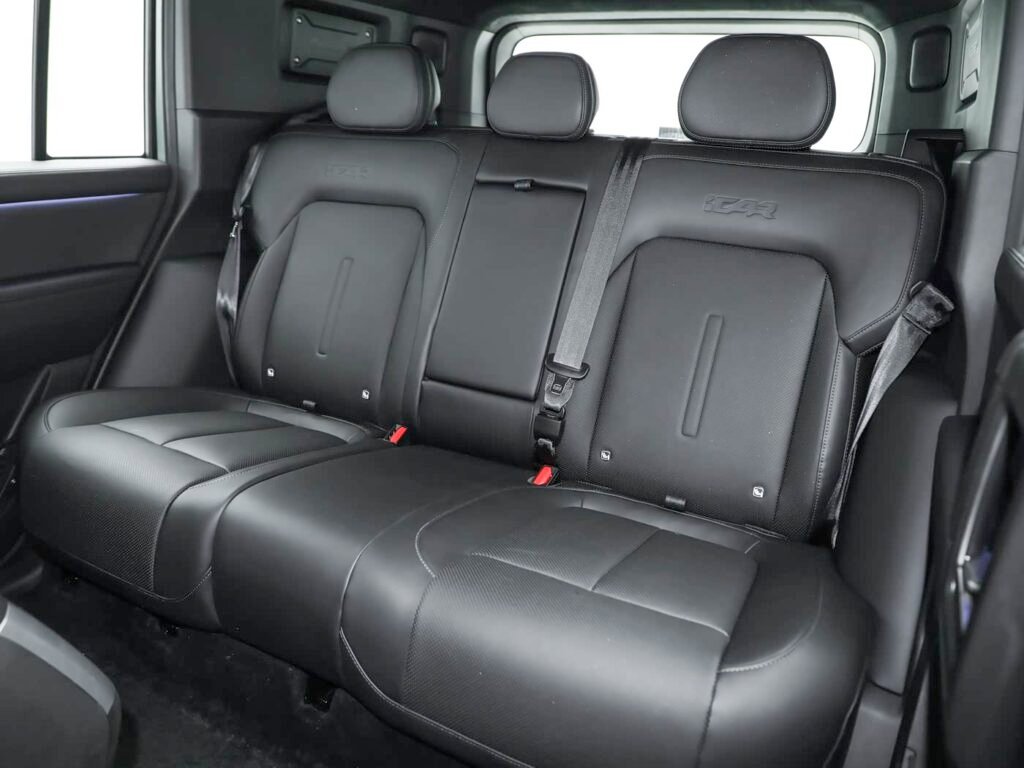
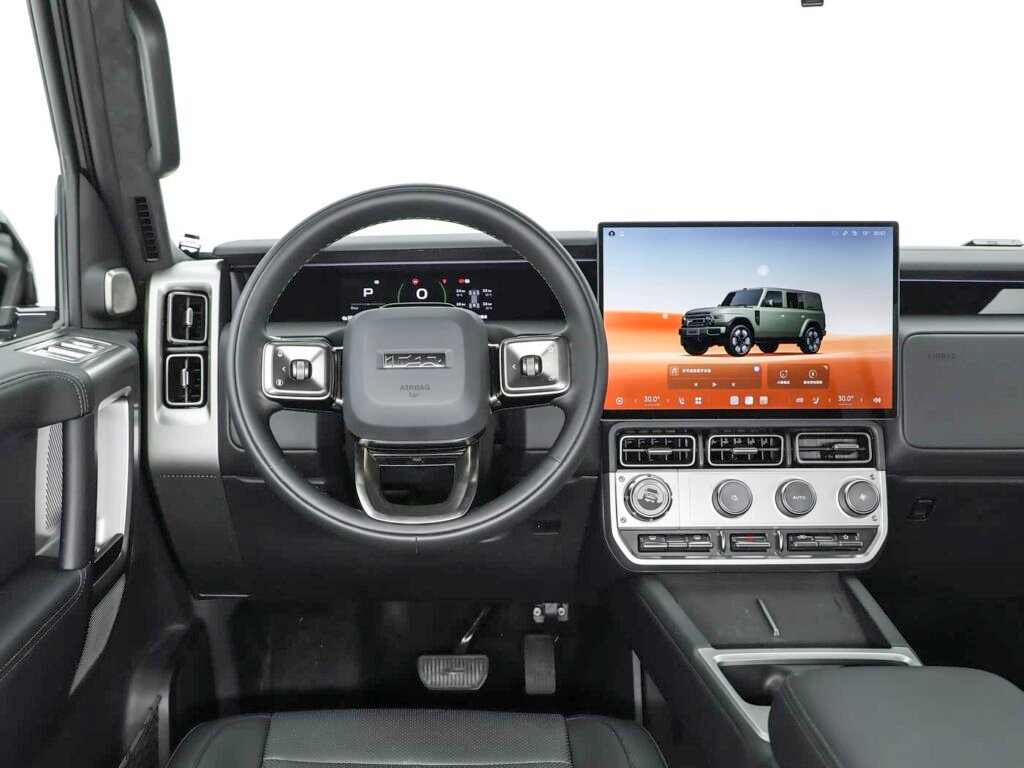
Inside, the V25 seats five on a 2,820 mm wheelbase with a 15.4-inch centre screen in every configuration. The upright body gives the rear bench a useful sitting height, which is what a fleet buyer notices after range. Because the cabin and screen are shared, a showroom can demonstrate one car and then explain the drivetrain choice with a specification sheet. The range extender hardware does not change the seating layout. The practical decision for a distributor is therefore stock mix: how many four-wheel-drive cars to order against rear-drive cars for the same market.
The V25 configurations separate on drivetrain first. Two rear-drive cars quote 185 kW, 300 N·m, 210 km on CLTC and 8.5 seconds to 100 km/h. Two four-wheel-drive cars quote 335 kW, 505 N·m, 200 km on CLTC and 5.8 seconds. Every version uses the same 33.67 kWh battery, 115 kW engine and 58 litre tank. A customer who tests a four-wheel-drive car and orders a rear-drive one should be told that both acceleration and the range figure change. Written configuration prevents a shipment that does not match the demonstration.
How it drives
Power on the V25 comes from a 115 kW engine and electric motors. Rear-drive versions use one 185 kW permanent-magnet motor at the rear axle, with 300 N·m. Four-wheel-drive versions add a front motor for 335 kW and 505 N·m combined. The 0–100 km/h time is 8.5 seconds on the rear-drive pair and 5.8 seconds on the four-wheel-drive pair; top speed is 180 km/h throughout. A workshop can plan two parts sets rather than four. The engine is common to all versions, so the maintenance story stays the same across the line.
The V25 uses a 33.67 kWh battery with 200 km or 210 km of electric range on CLTC, depending on drivetrain. Fast charging from 30% to 80% takes 15 minutes on every version, and the 90 kW charge figure is published. The 58 litre tank extends a journey after the battery is used. Electricity consumption is 20.1 or 21.4 kWh/100 km. The source table gives 1.52 and 1.54 L/100km under a fuel label, but no charge-depleting figure, so that field is recorded as not disclosed rather than estimated.
Two errors recur with the V25. The first is quoting 145 or 150 km from the WLTC row when the headline figure is 200 or 210 km on CLTC. The second is treating the 1.52 and 1.54 L/100km rows as charge-depleting fuel consumption; they are source values under a different label and the charge-depleting field is not disclosed. Neither gap should be filled with a number from a similar model. An importer preparing a market submission should request the missing figure from the manufacturer and keep the drivetrain split visible on every quotation.
Interior & details
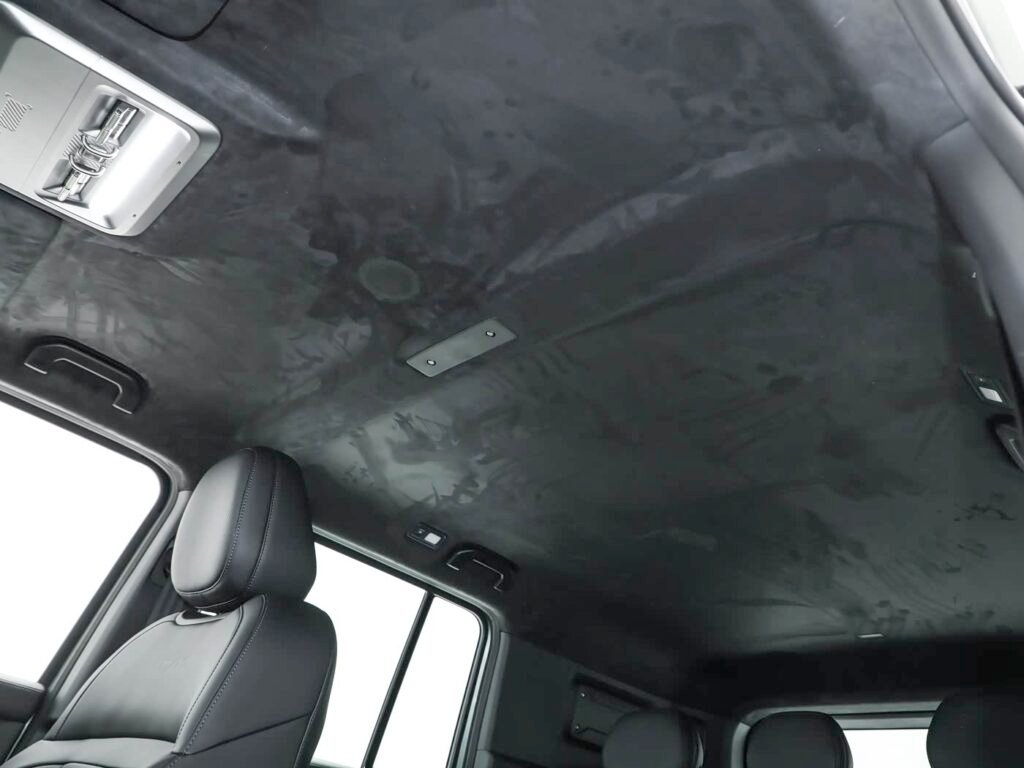
Interior and close-up detail from the iCAR V25 current production car.
FAQ
Is the V25 a range extender?
The V25 is a range extender with a 115 kW engine and a 33.67 kWh battery. Two configurations are rear-wheel drive at 185 kW with 210 km of CLTC electric range; two are four-wheel drive at 335 kW with 200 km. It has five seats, a 15.4-inch screen and a 58 litre tank. Check the drivetrain on the quotation, because power, torque and range all change with it.
How far can the V25 drive on electricity?
Electric range on the V25 is 200 km or 210 km on CLTC, set by drivetrain rather than by battery size. All four use the same 33.67 kWh pack. Fast charging from 30% to 80% takes 15 minutes, and a 58 litre tank covers the rest of a journey. CLTC does not compare directly with WLTP or EPA. Match the drivetrain first when comparing two offers: the four-wheel-drive car is quicker but quotes the lower electric range.
How long does charging take on the V25?
Charging the V25 takes 15 minutes from 30% to 80% on all four configurations, with a published 90 kW charge figure. No AC charge time is given, so do not promise a wall-box duration. The 33.67 kWh battery and 15.4-inch screen are shared, and the cabin seats five. Ask for the drivetrain in writing before a demonstration is booked. That tells you which motor layout the car has and which CLTC range figure applies to it.
Can the iCAR V25 be exported to my country?
Approval depends on the destination, not only on the V25. Some markets accept a range extender under existing rules, while others ask for model-specific certification before registration. We check the route for your port before you commit and list the documents the clearing agent will request. Lighting rules and charging connector standards are common points of review. We then work through the paperwork.
Can the iCAR V25 be exported as a new car?
No. The V25 is not authorized for new-car export at present. Authorization is granted per model and per model year, so it cannot be carried over from another year. We re-check the list before each order and confirm the position in writing. Send the model year, destination and volume, and we will state what the current rules allow before you commit to a tender or release a deposit.

Reviews
There are no reviews yet.